Aircraft Ownership · guide
Learjet History: From Bill Lear’s Model 23 to the Last Learjet 75
Explore Learjet history through 33 illustrated model and variant profiles, from Bill Lear’s first Wichita jet to the 85 prototype and final Learjet 75.


On October 13, 1964, Chemical & Industrial Corporation of Cincinnati became the first customer to take delivery of a Learjet 23. Frank Sinatra would buy a Learjet, and Arnold Palmer would fly one around the world. Long before the name became shorthand for private wealth, it was a company airplane.
Bill Lear saw a market for a handful of people who needed to travel fast and leave on their own schedule. The bigger Lockheed JetStar had already flown. Lear’s contribution was to put jet performance into a much smaller airplane that a business could buy or, soon enough, charter for a trip.
Follow the models that came out of Wichita and you can see what buyers asked for next: another seat, another hour of fuel, a cabin they could stand up in. This illustrated guide follows those decisions through all 33 Learjet model and variant profiles in the BizJet Journal directory, including the one that flew but never reached a customer.
The Learjet 23: how a Swiss idea found a home in Wichita
William Powell Lear came to aircraft manufacturing through electronics. He had already won the Collier Trophy for his work on automatic flight control. When he began developing a small executive jet in 1959, the Swiss P-16 fighter project offered a starting point. The result was a new civilian airplane, not a fighter stripped of its military equipment.
Lear moved the venture from Switzerland to Wichita, where there were people who already knew how to build aircraft. On October 7, 1963, the Model 23 flew for the first time. The prototype was lost in a forced landing during testing the following June; both crew members survived. FAA type certification followed on July 31, 1964. The airplane delivered to Cincinnati that October was serial number 23-003, now the subject of a restoration project in Wichita.
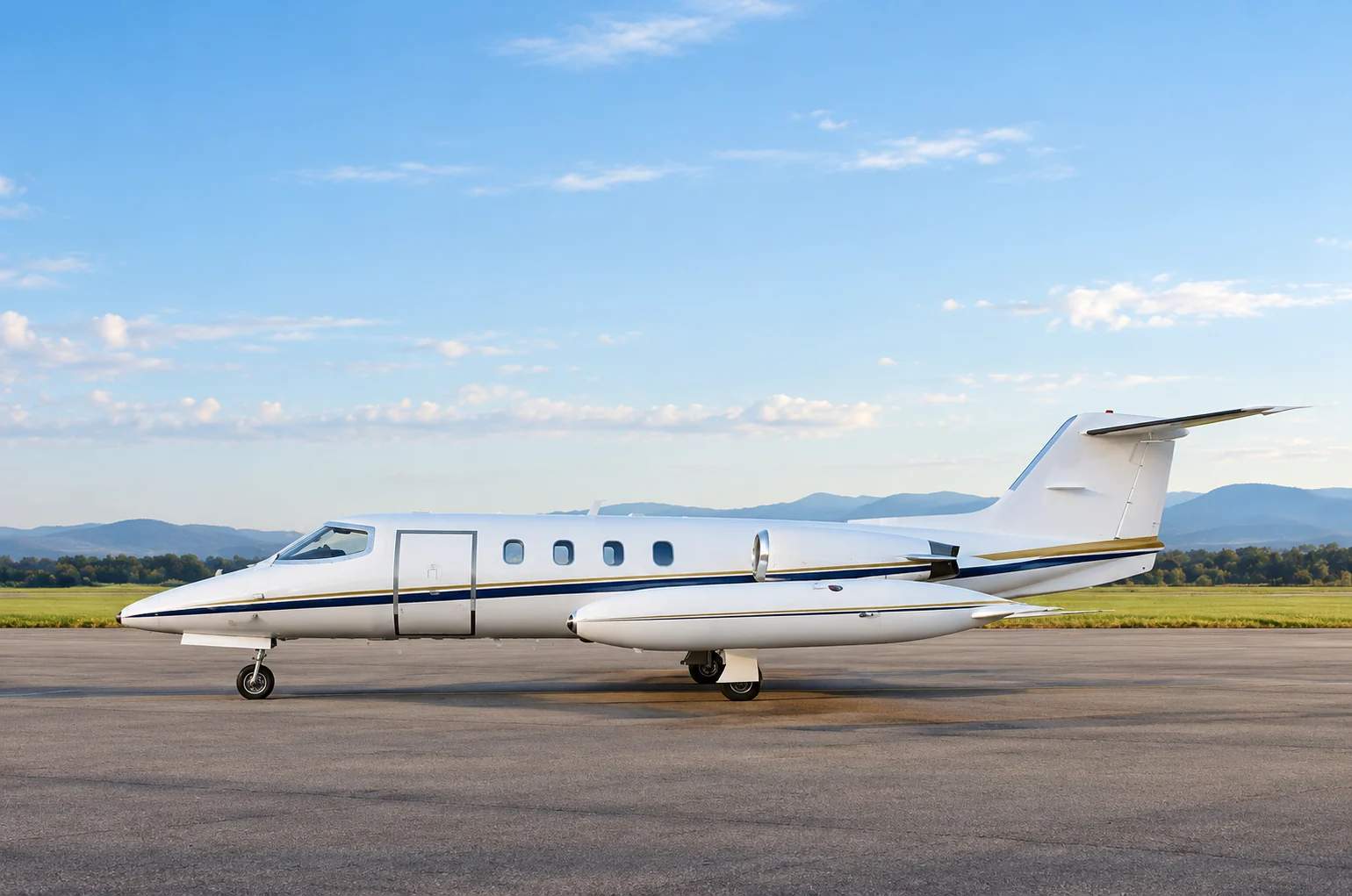
Look at the original 23 and you can pick out the family traits: a pointed nose, an engine on either side of the rear fuselage and a fuel tank at each wingtip. The Smithsonian’s Model 23 measures 43 feet 3 inches long. Its two General Electric CJ610 turbojets each produced 2,850 pounds of thrust, and the museum lists a top speed of 561 mph. That was a remarkable amount of performance to put into an airplane so small.
There was a price argument, too. A February 1966 aircraft survey listed the Learjet 23 at $595,000 with its electronics and interior. Charter made the same performance available without the purchase: in 1968 Clay Lacy started his charter company with a Learjet at Van Nuys. A business could now buy the trip it needed instead of buying the airplane.

Learjet 24 and 25: certification, cabin space and fuel
The Model 24 looked much like the 23. One of its most important changes was something you couldn’t see from the ramp: it was the first Learjet certified in the transport category. The 25 offered a more immediately visible benefit. Stretching the fuselage gave its occupants more cabin to work with while retaining the early family’s turbojet engines.
The suffixes start to matter here. The FAA’s type certificate data covers approved configurations rather than a simple list of sales names. On the 24E and 24F, for example, the fuel arrangement and approved weight differed. On the 25B and 25C, the published usable auxiliary fuselage tank capacities were 195 and 388 U.S. gallons respectively. That’s 193 gallons more in the C’s auxiliary tank. How far that fuel would take you still depended on the payload and flight conditions.
These jets did more than move executives between meetings. NASA used a Learjet 25 for research, including flights that gave experimenters brief periods of reduced gravity. The airplane could follow a series of parabolic flight paths, letting researchers repeat an experiment several times on the same flight.
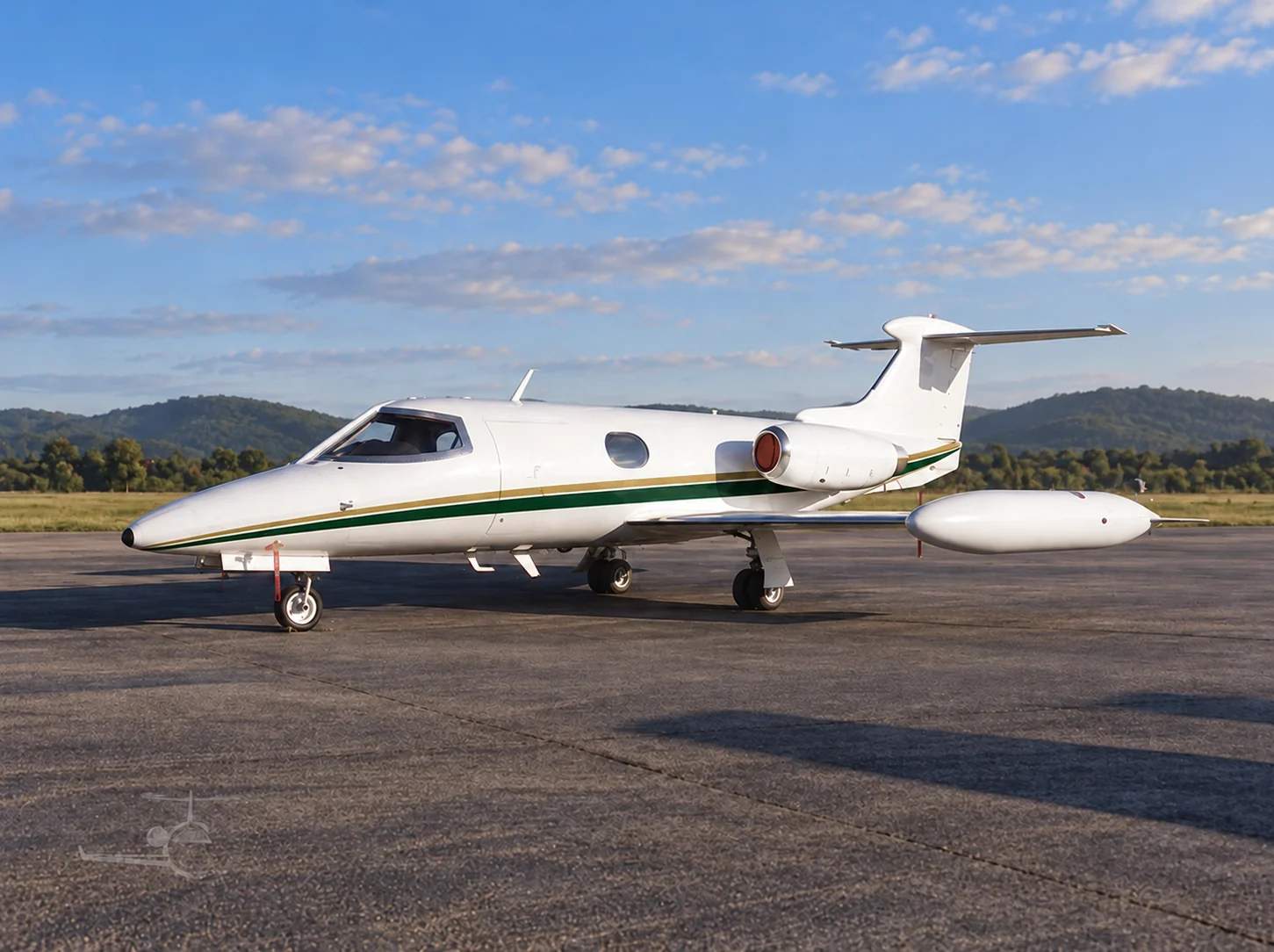
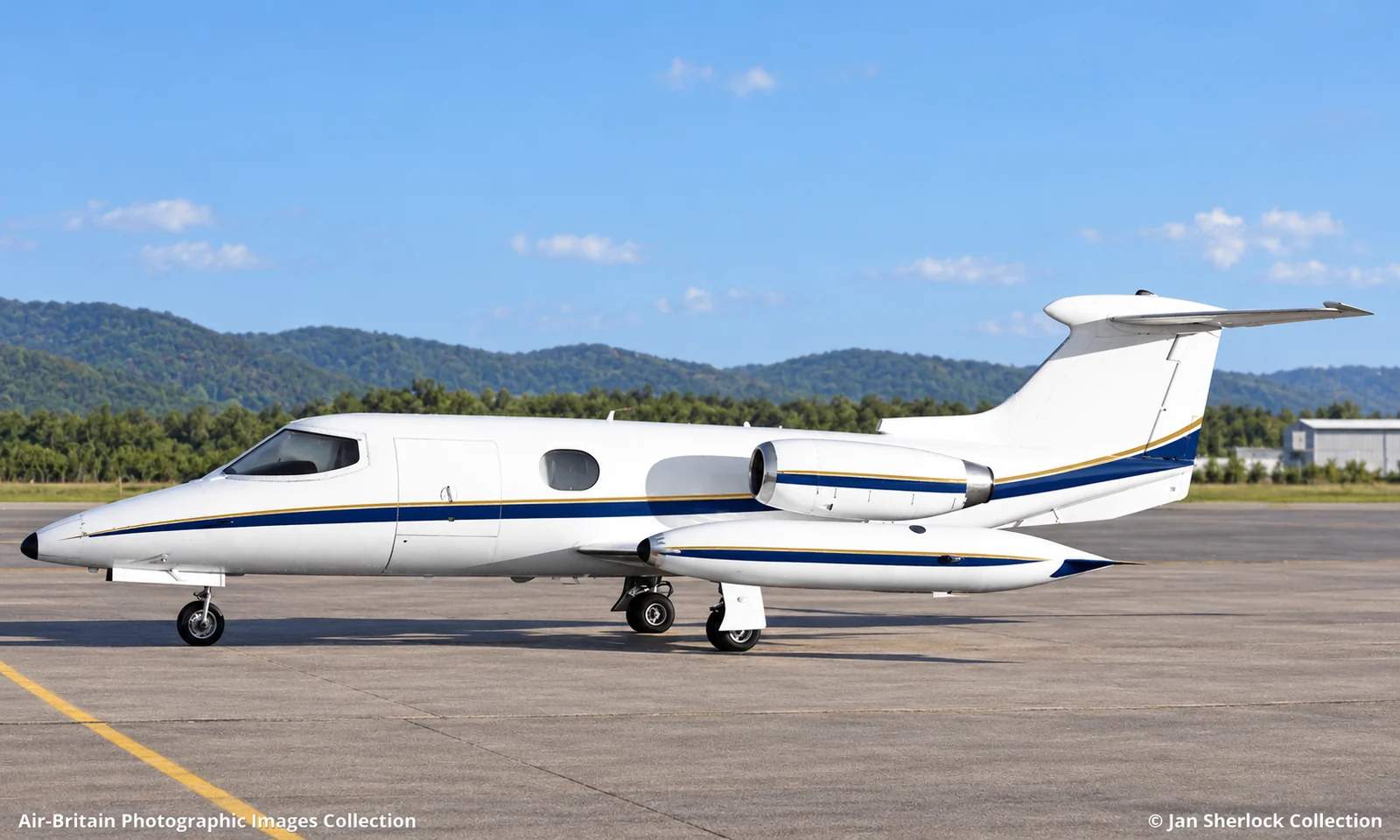
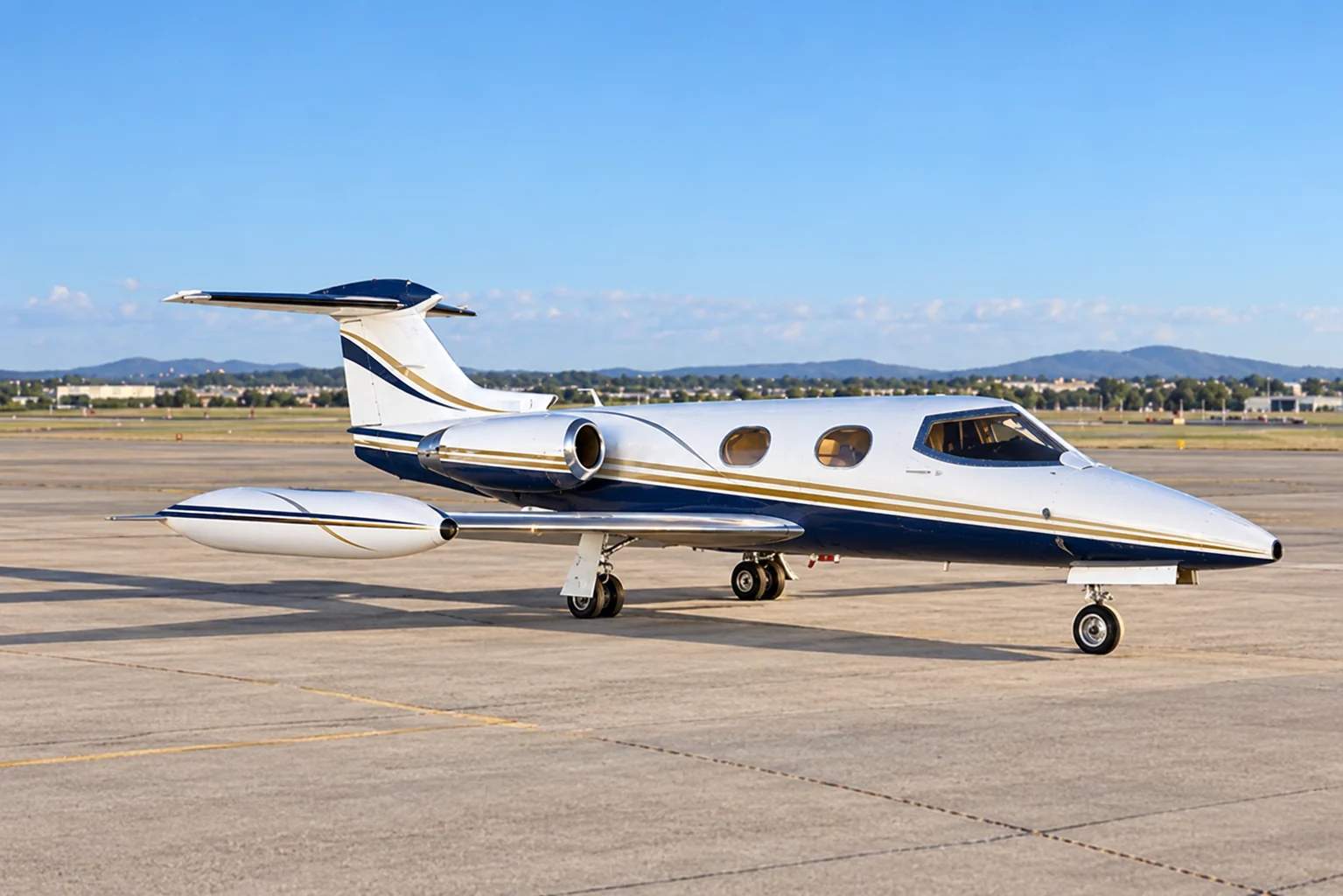
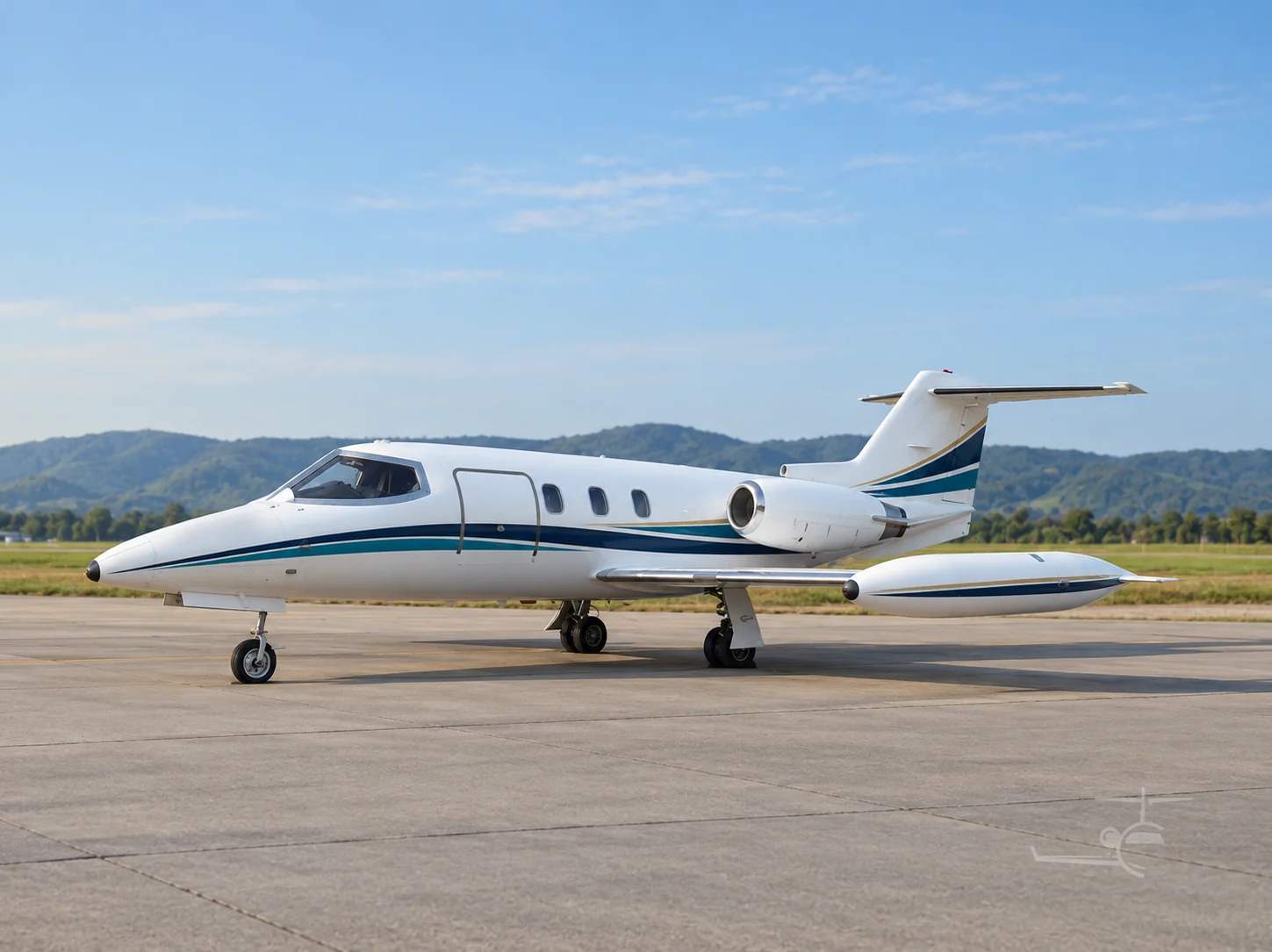
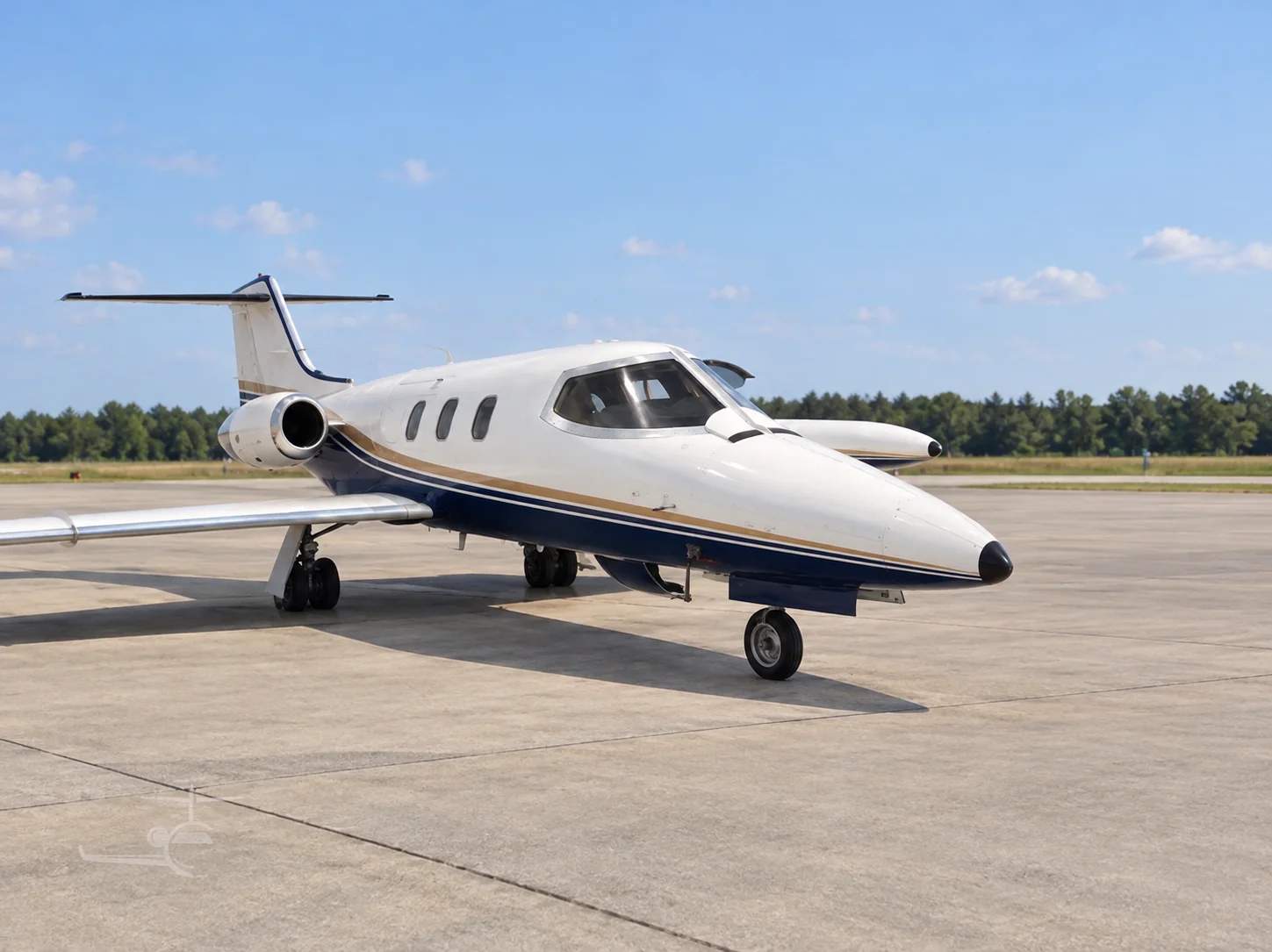
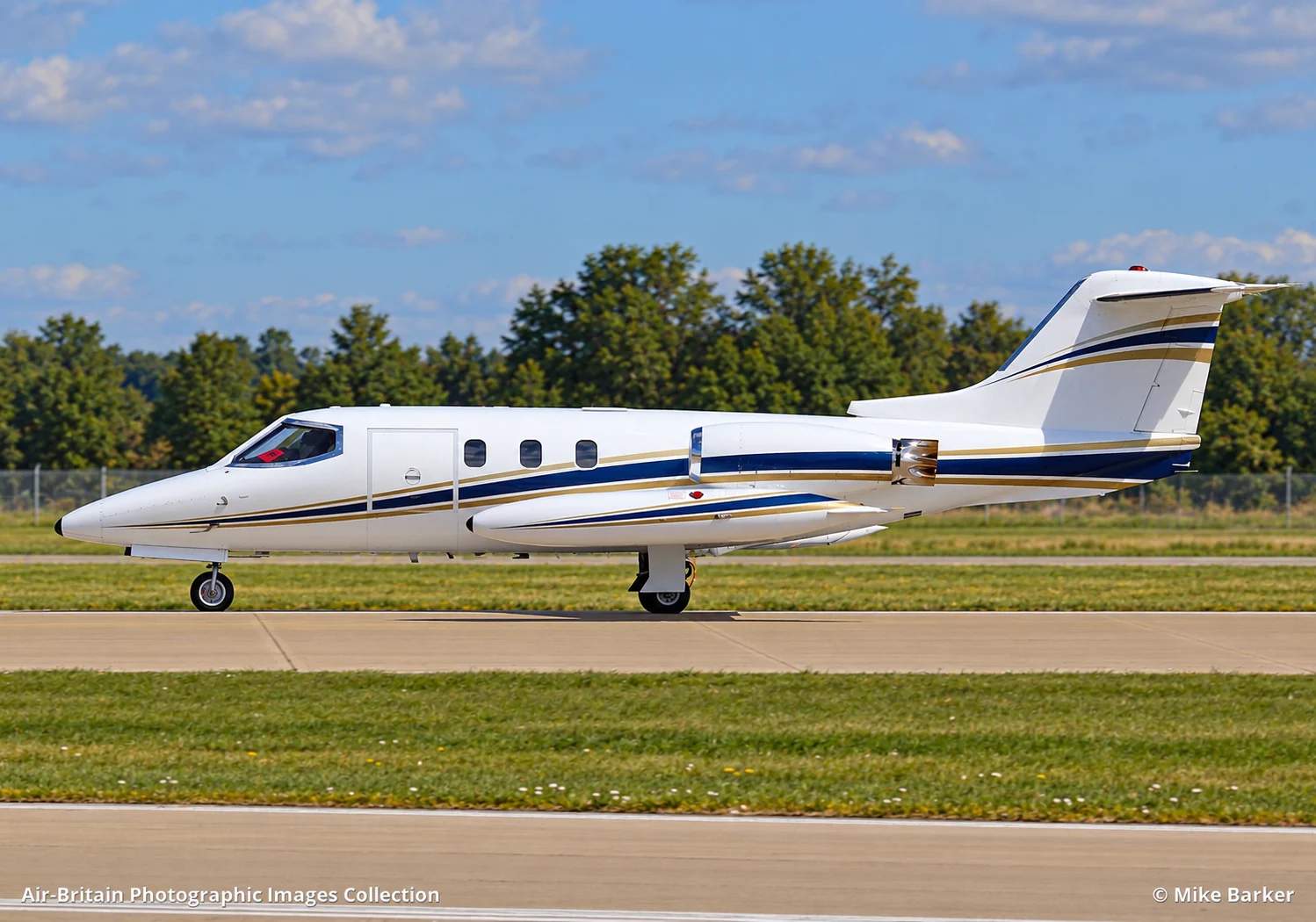
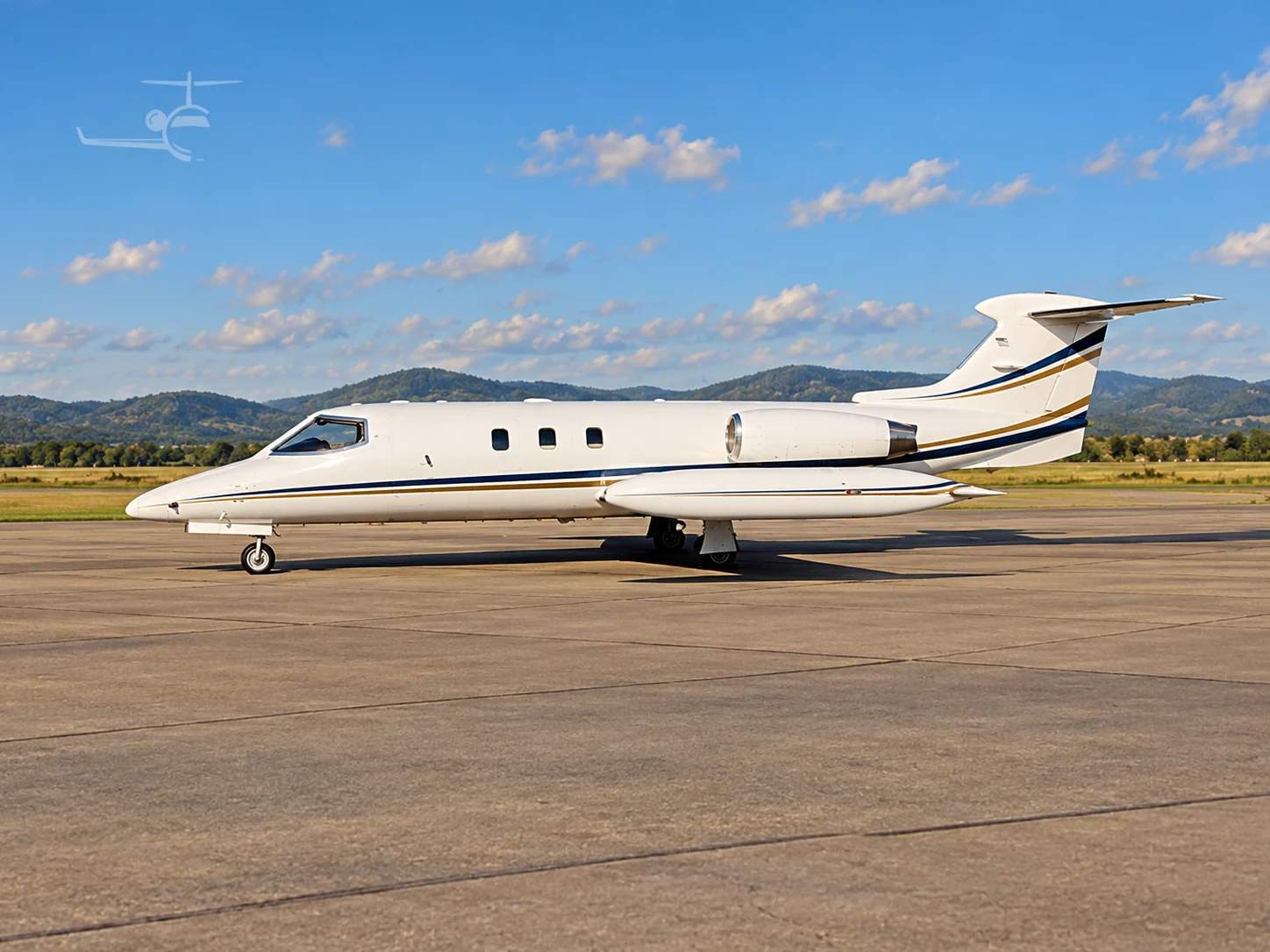
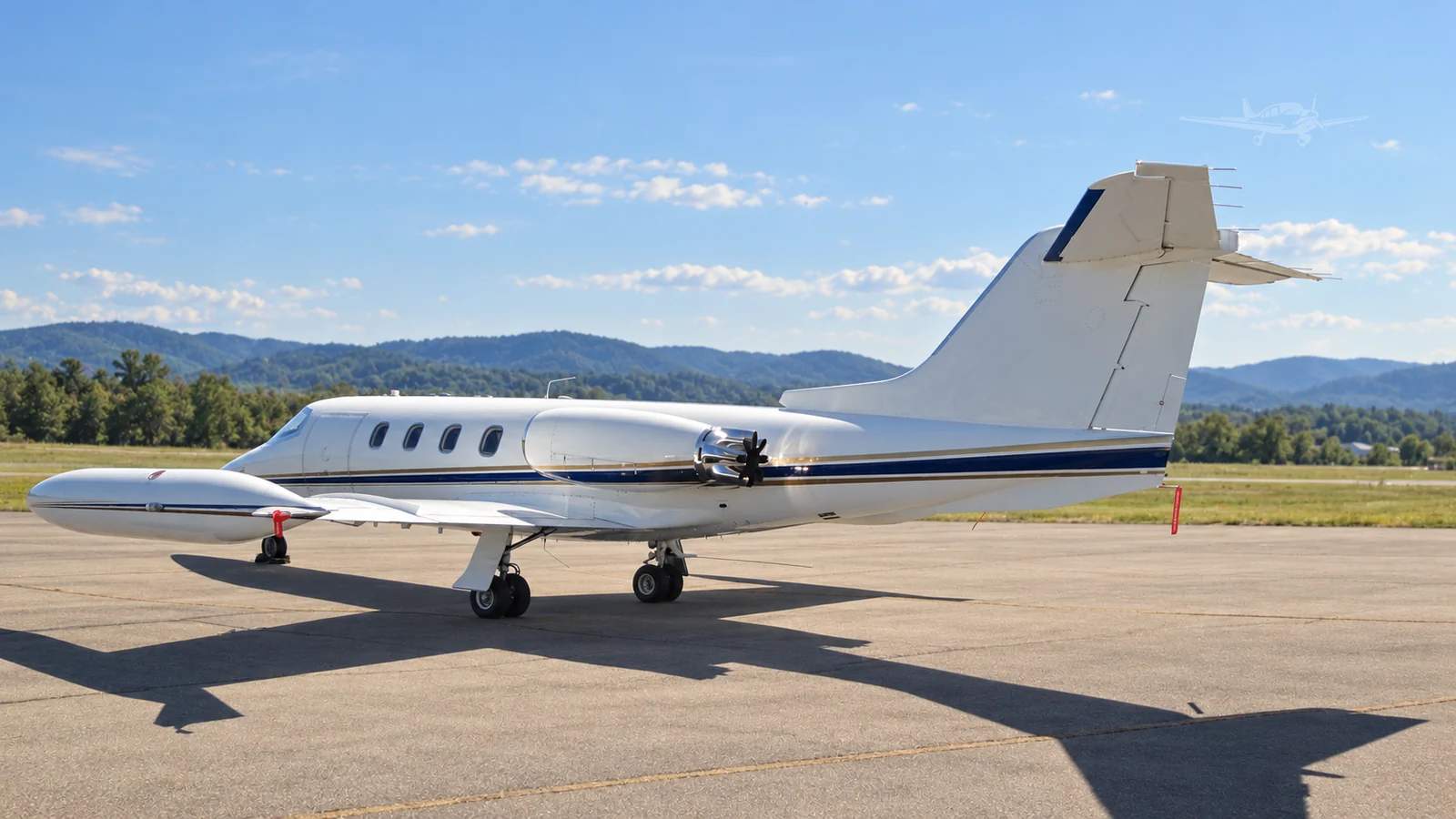
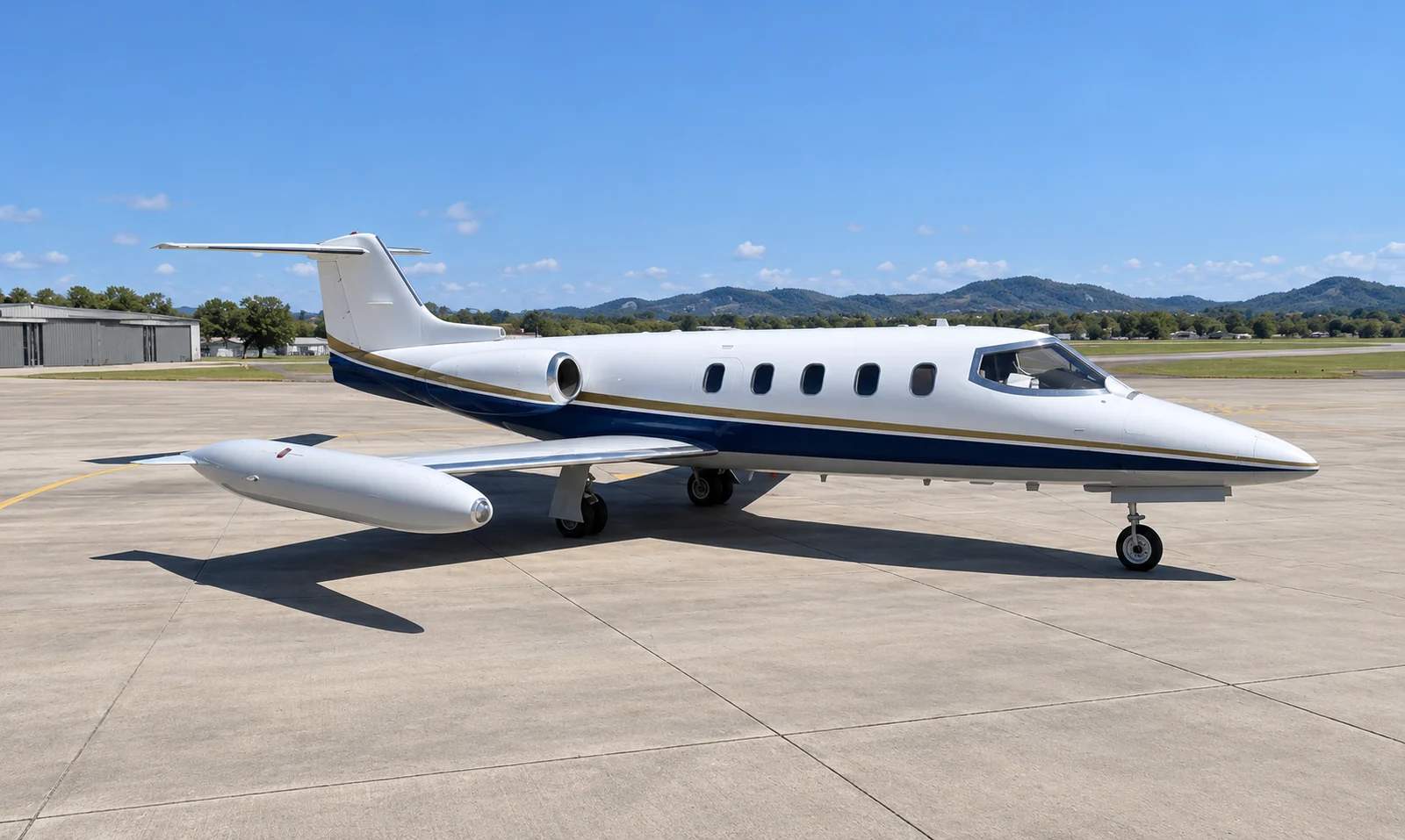
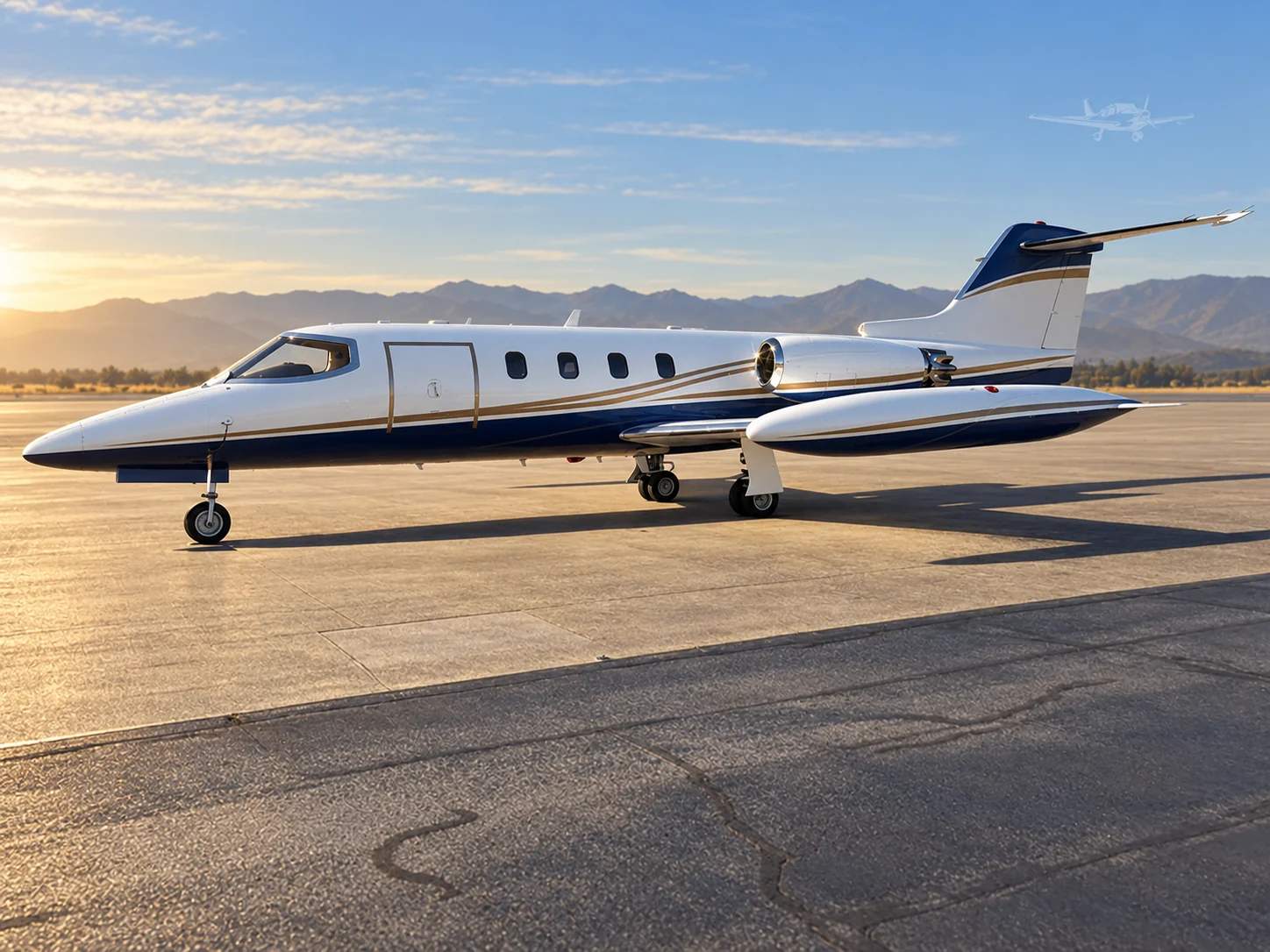
One designation can be easy to miss if you rely on the type certificate alone. The Museum of Flight’s engineering archives preserve flight-manual design material for the 25G. That’s why you’ll find a 25G model profile even though the name isn’t a separate model heading on the original FAA certificate.
Learjet 35 and 36: would you rather carry two people or more fuel?
By the time the 35 and 36 won approval in 1974, Bill Lear had sold control of the business. Gates Rubber bought his controlling interest in 1967, and the Gates Learjet Corporation was formed in 1969. The new models still looked like Learjets, but the Garrett TFE731 turbofans changed the economics of flying them. Lower fuel consumption gave an operator more options between stops.
The choice between the 35 and 36 is one of the clearest examples of aircraft design following the trip. The 36 used space toward the back of the cabin for additional fuel. The New Zealand Civil Aviation Authority’s type acceptance report lists maximum seating of eight passengers plus two crew for the 35 and 35A, versus six passengers plus two crew for the 36 and 36A.
Take an example of a flight with seven passengers. A suitably configured 35 could seat the group; the 36’s extra fuel wouldn’t help you fit the seventh person. Put four people on a longer trip and the extra tank becomes a reason to consider the 36. Two aircraft that look much the same on the apron can answer different questions for an operator.
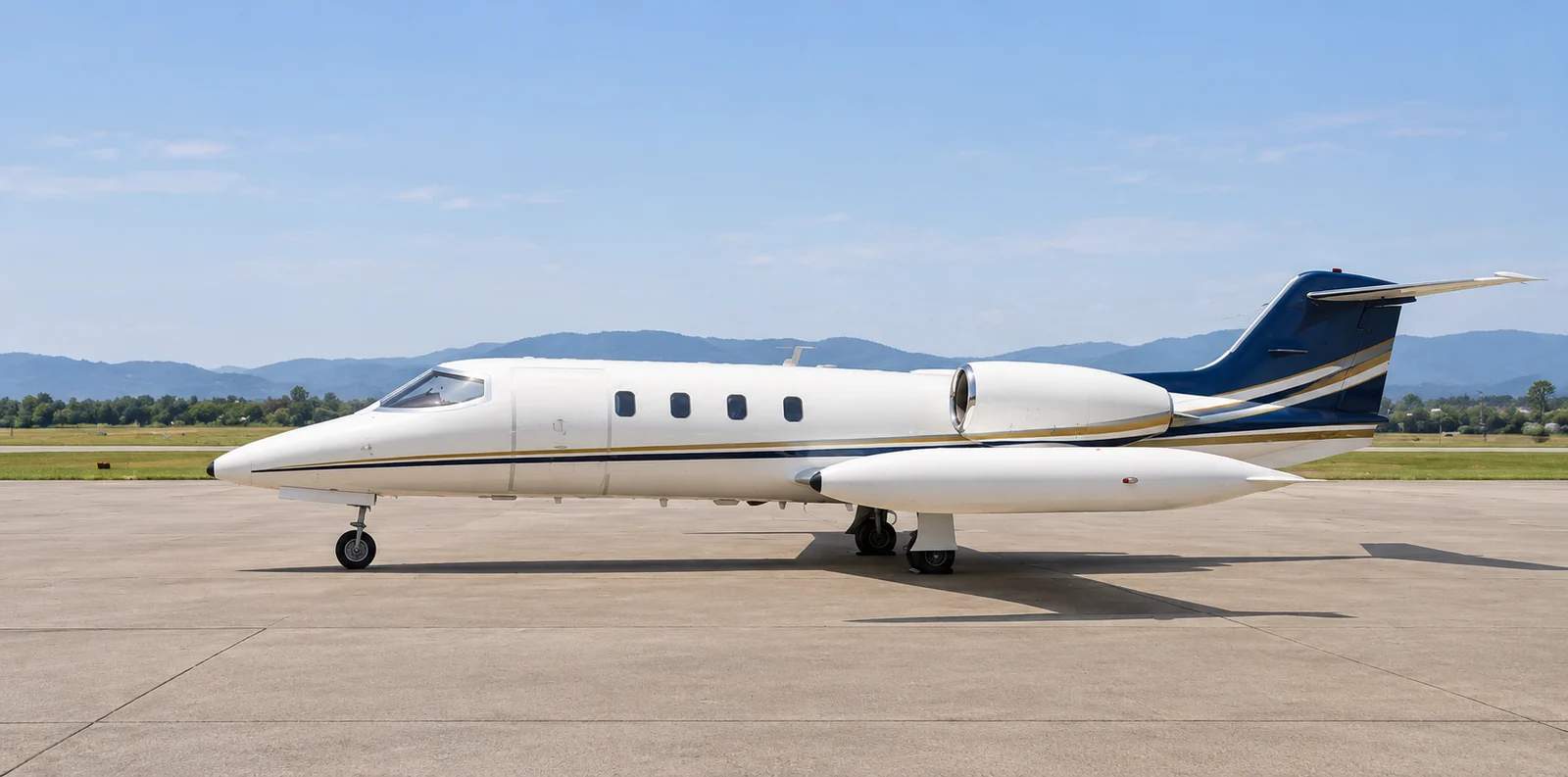
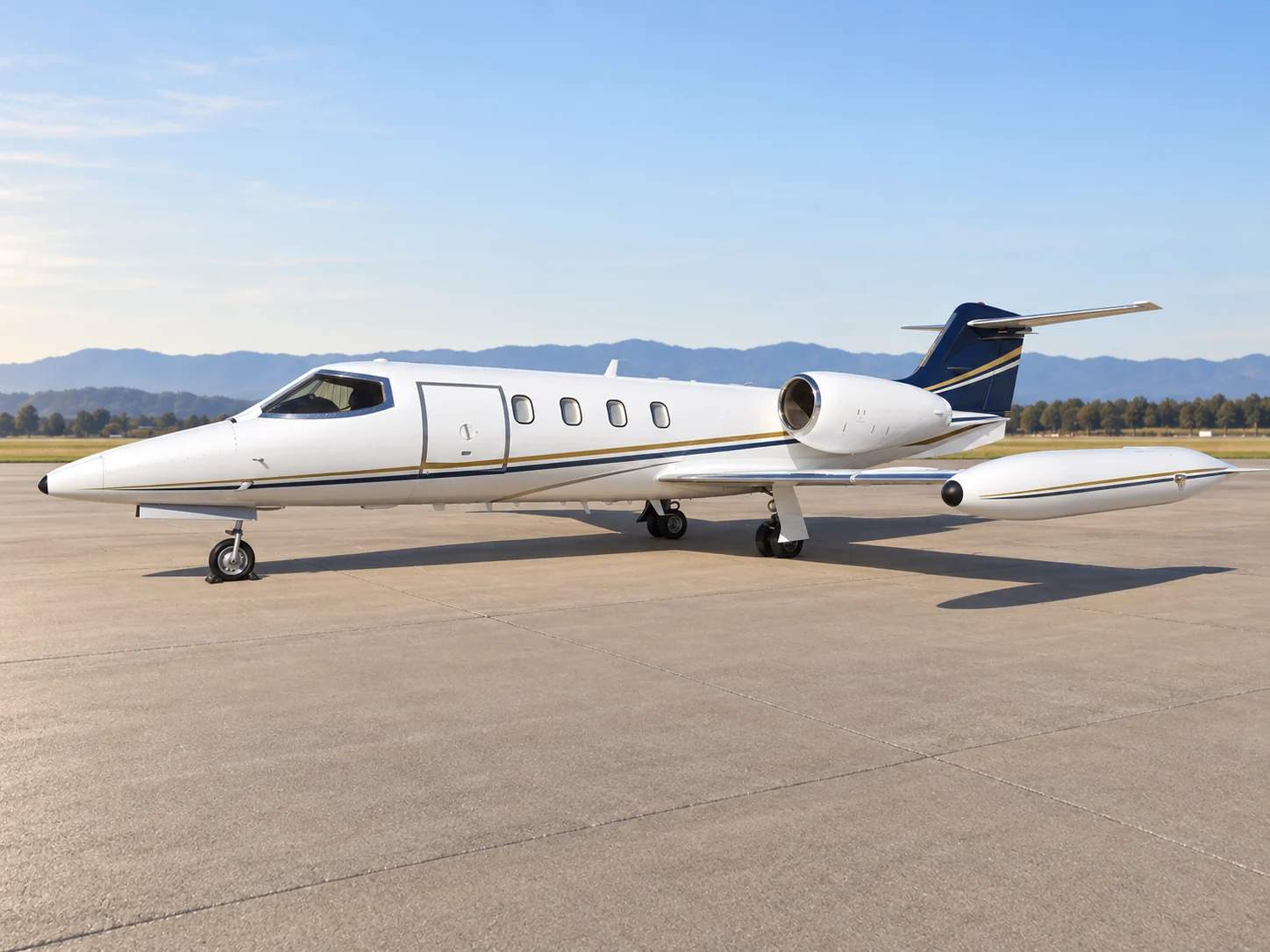
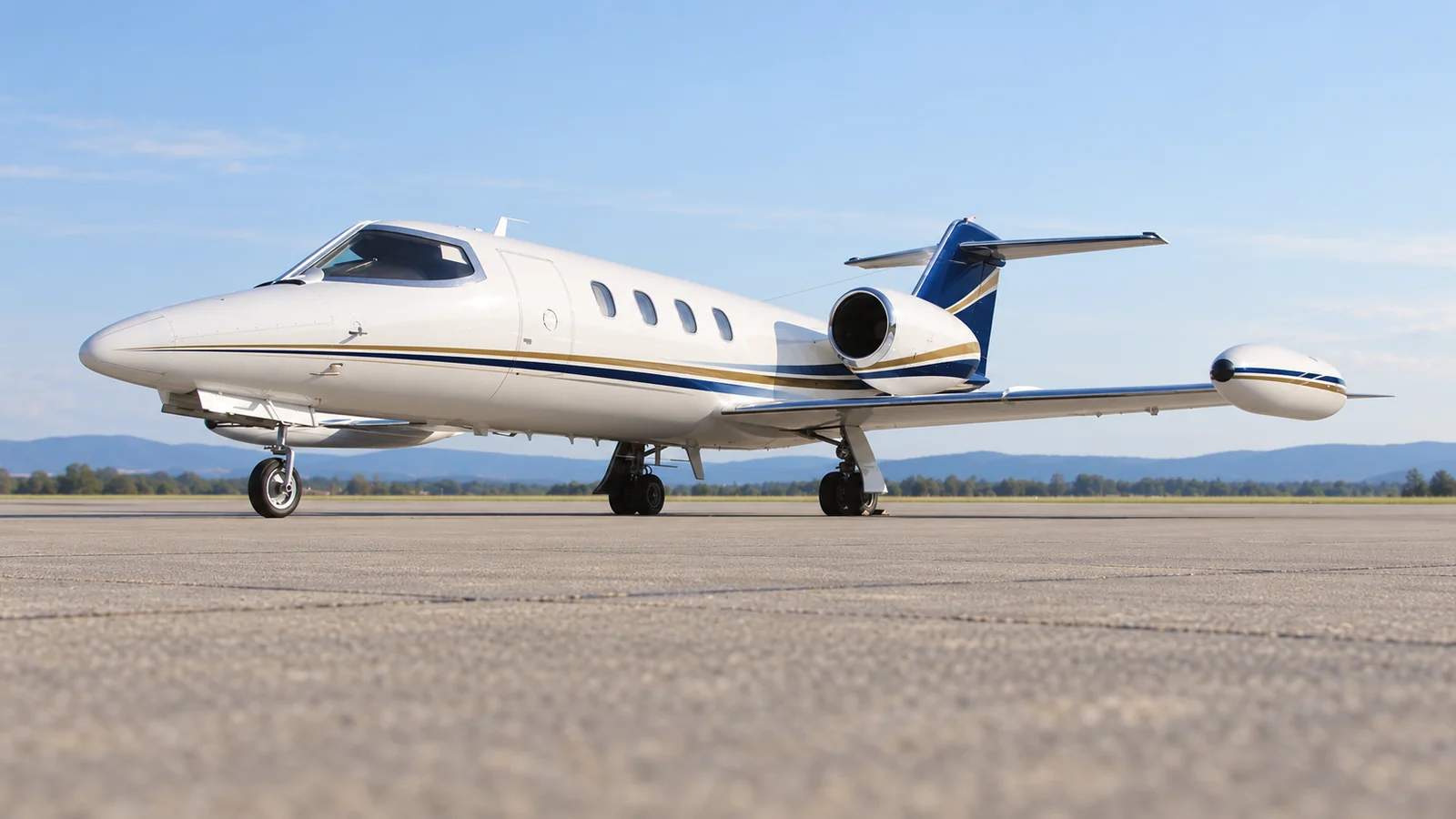
Learjet 36 family model profile
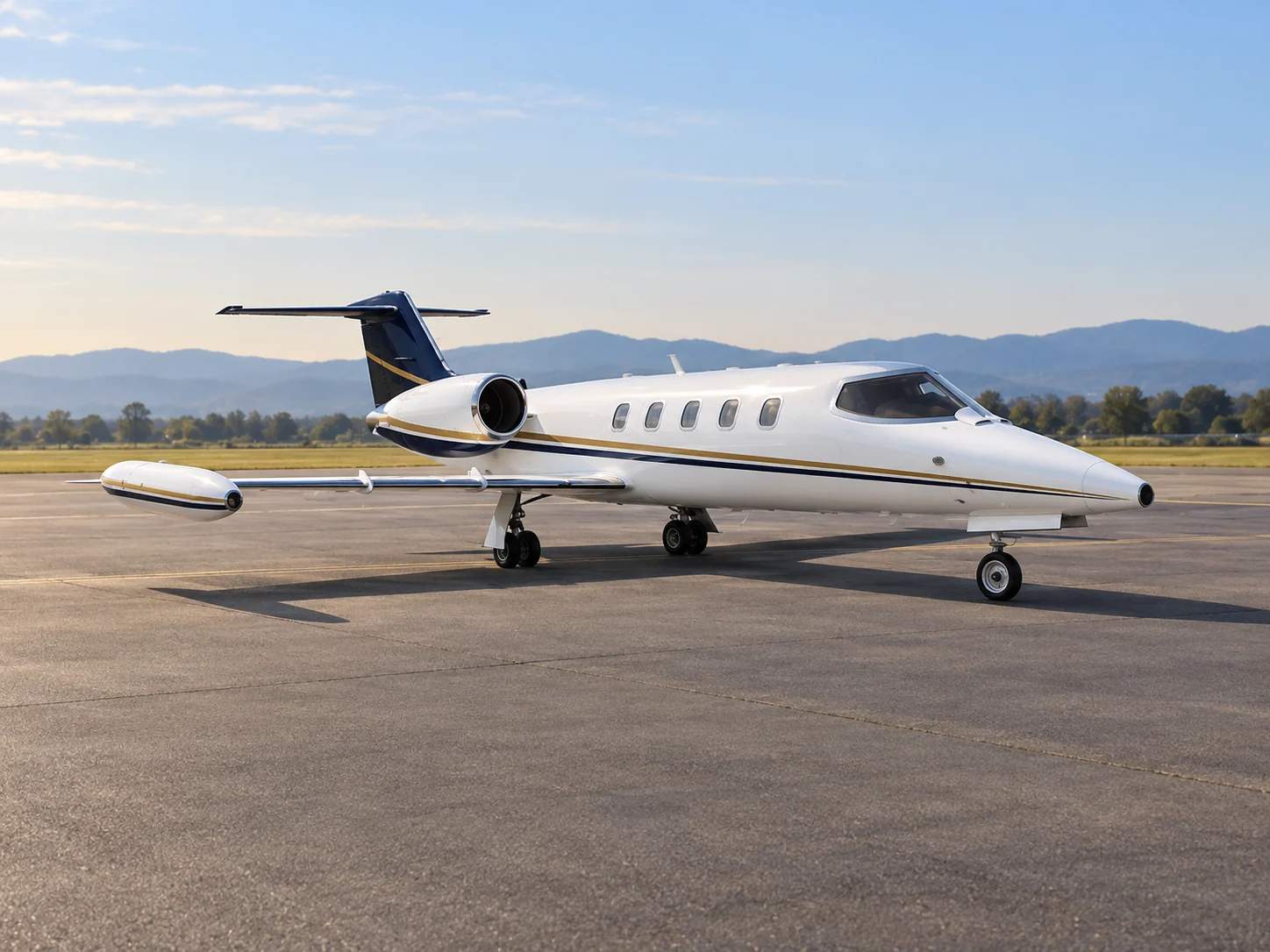
Arnold Palmer put the 36’s long-distance credentials in front of an audience well beyond aviation. In May 1976, Palmer and his crew flew from Denver around the world and back in 57 hours, 25 minutes and 42 seconds. The itinerary included Boston, Paris, Tehran, Manila and Honolulu. It was a round-the-world record with fuel stops, not a nonstop flight.
A less glamorous but equally telling endorsement came from the U.S. Air Force. Its C-21A, a military version of the 35A, could carry passengers or be configured for aeromedical evacuation. By then the little jet associated with Hollywood had also become a working transport.
Learjet 28 and 29: the winglets arrive
For several generations you could identify a Learjet by the fuel tanks at its wingtips. The Longhorn wing changed that. Its upward-pointing winglets helped reduce induced drag, the drag associated with making lift. They would become familiar on business jets and airliners; on a small jet in the 1970s, they were something to stop and look at.
The engineers’ account of the Longhorn program dates the Model 28 prototype’s first flight to August 27, 1977. The 28 and 29 were approved in January 1979. Although they followed the turbofan-powered 35 and 36, they still used CJ610 turbojets. A higher model number isn’t a reliable guide to either chronology or engine type.
Here again, Gates offered two ways to use a similar airframe. The FAA data sheet lists 269 usable U.S. gallons in the 28’s auxiliary fuselage tank and 375 in the 29’s. The 106-gallon difference helps explain why there were two Longhorn models in the first place.
Learjet 55 and 31: why the family split on cabin size
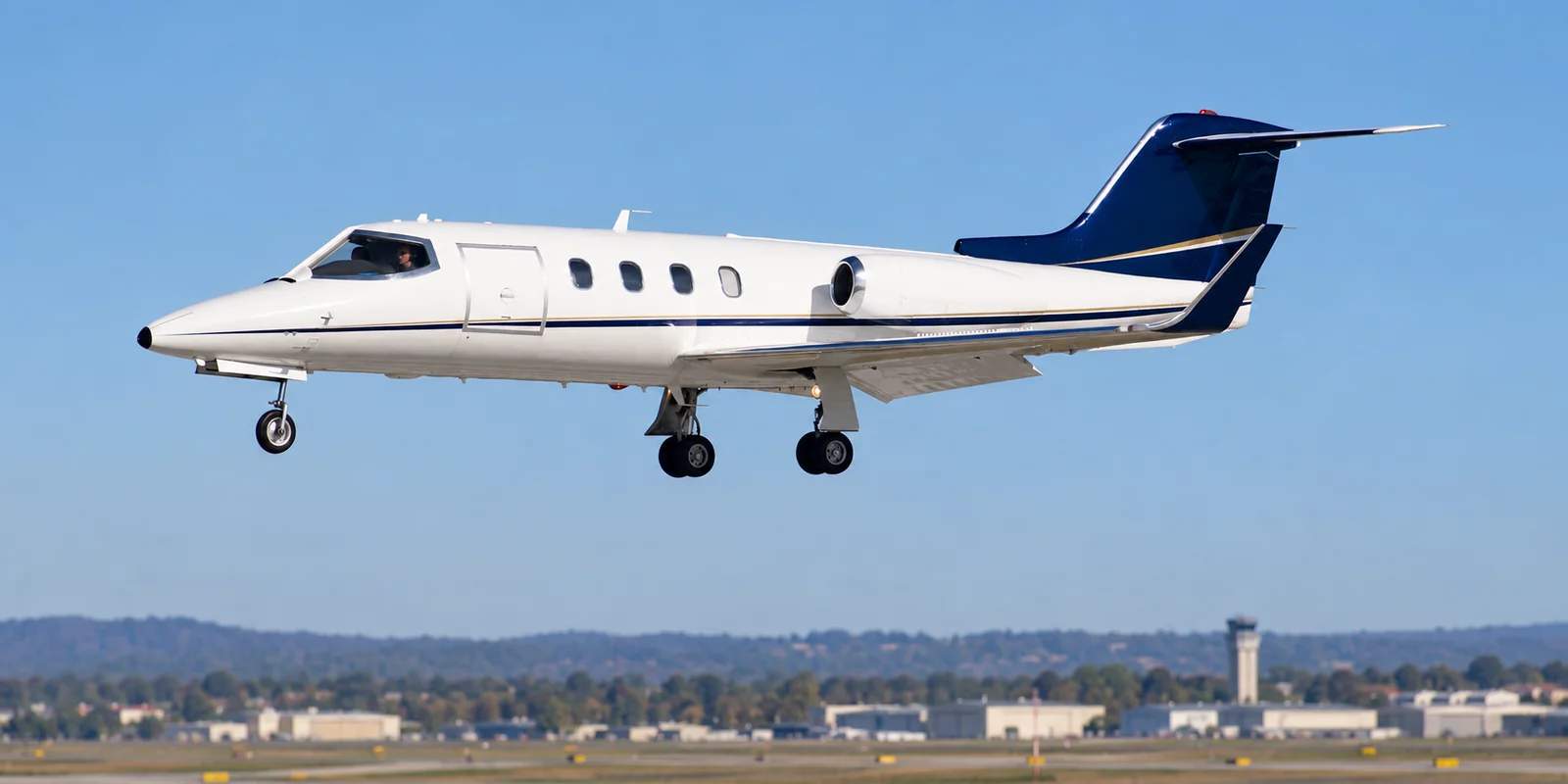
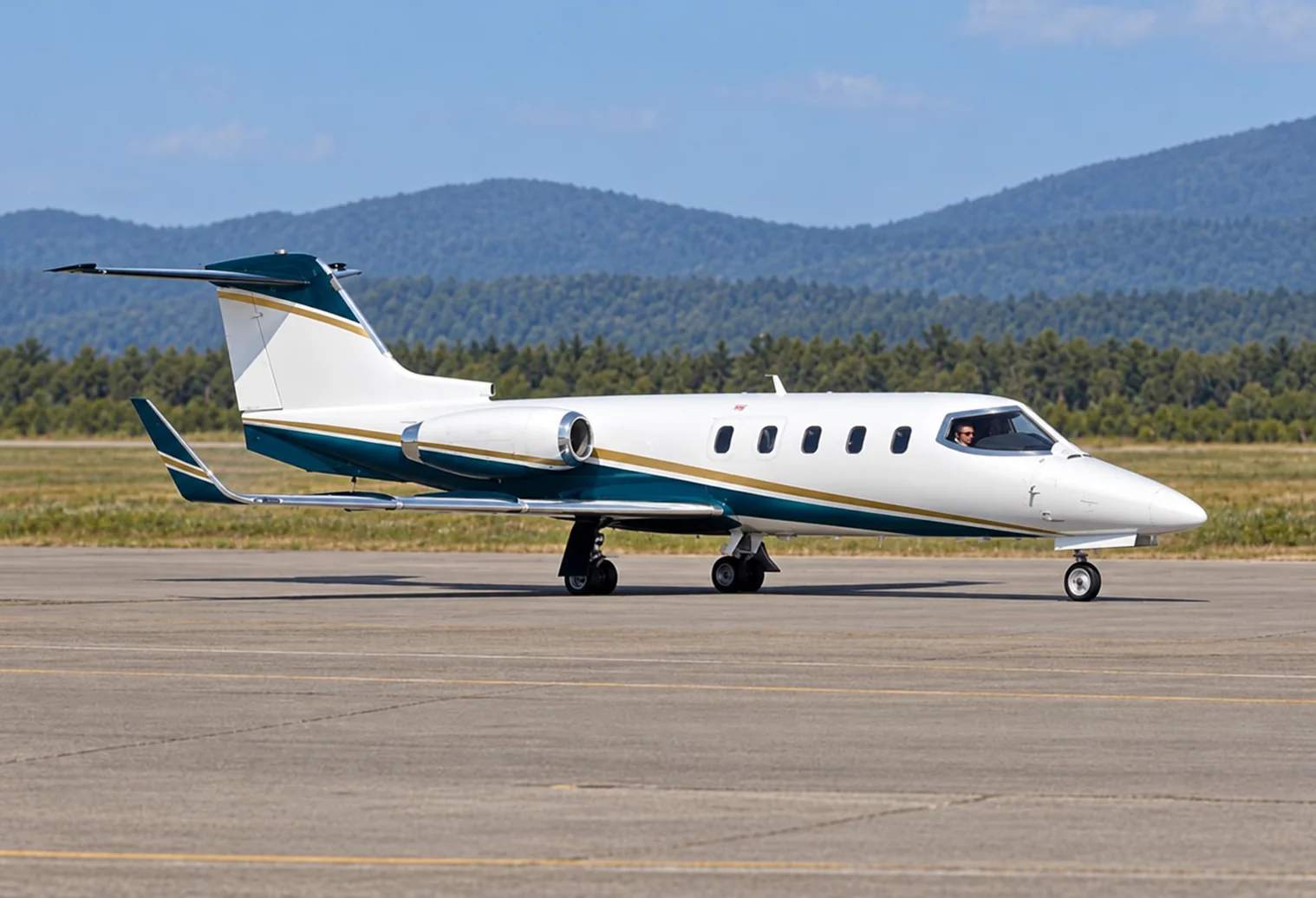
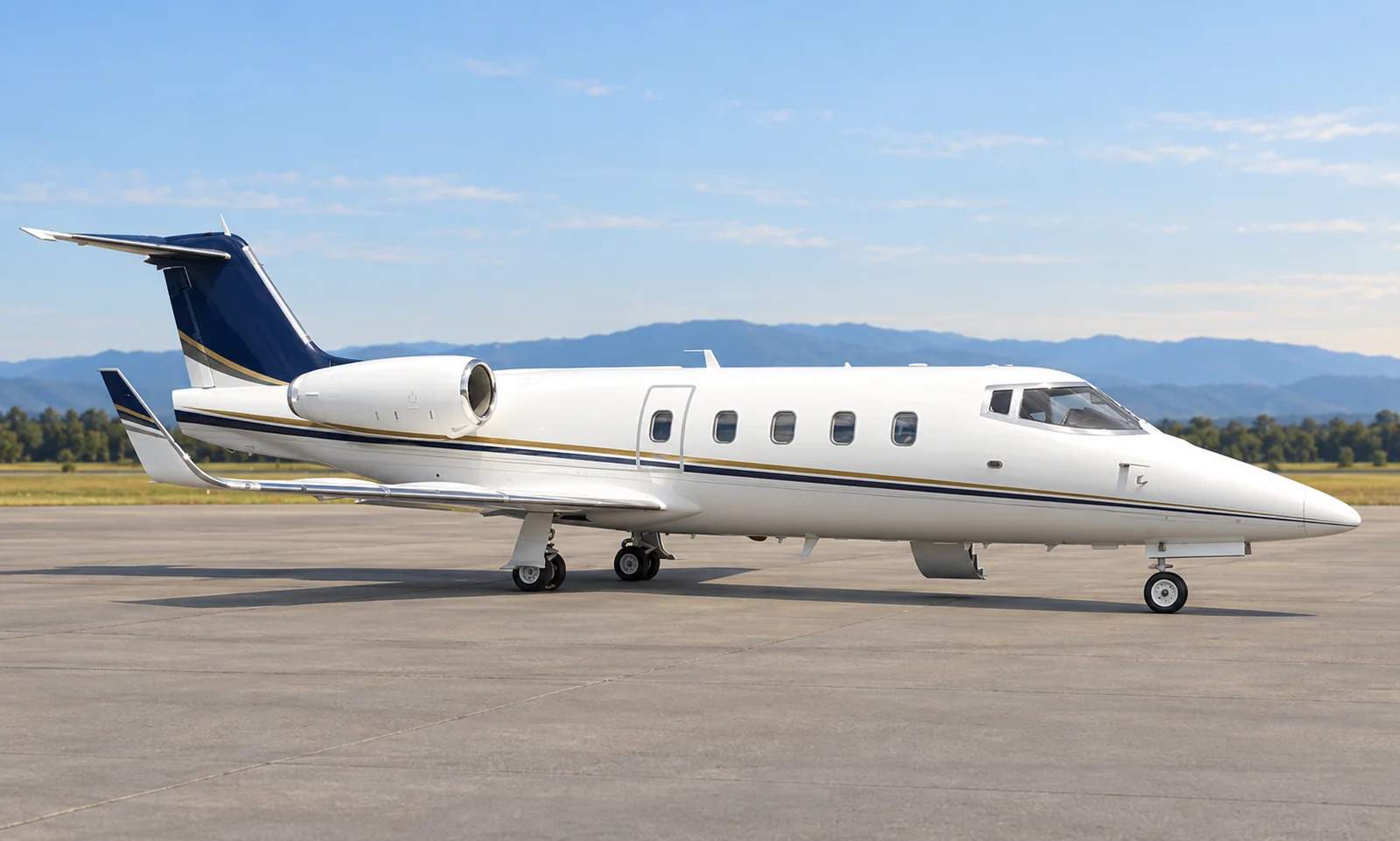
The 55 and 31 took the family in two directions. The 55 enlarged the fuselage cross-section, giving passengers something more meaningful than an extra line on a specification sheet: more room around their shoulders and heads. It also combined turbofan power with a longer wing and winglets instead of tip tanks.
The changes continued beneath the tail. A contemporary flight evaluation of the 55C describes how twin delta fins replaced the single ventral fin on the 55B. They’re useful identification clues in a photograph. The broader cabin is what you’d notice when stepping aboard.
Learjet 55 family model profile
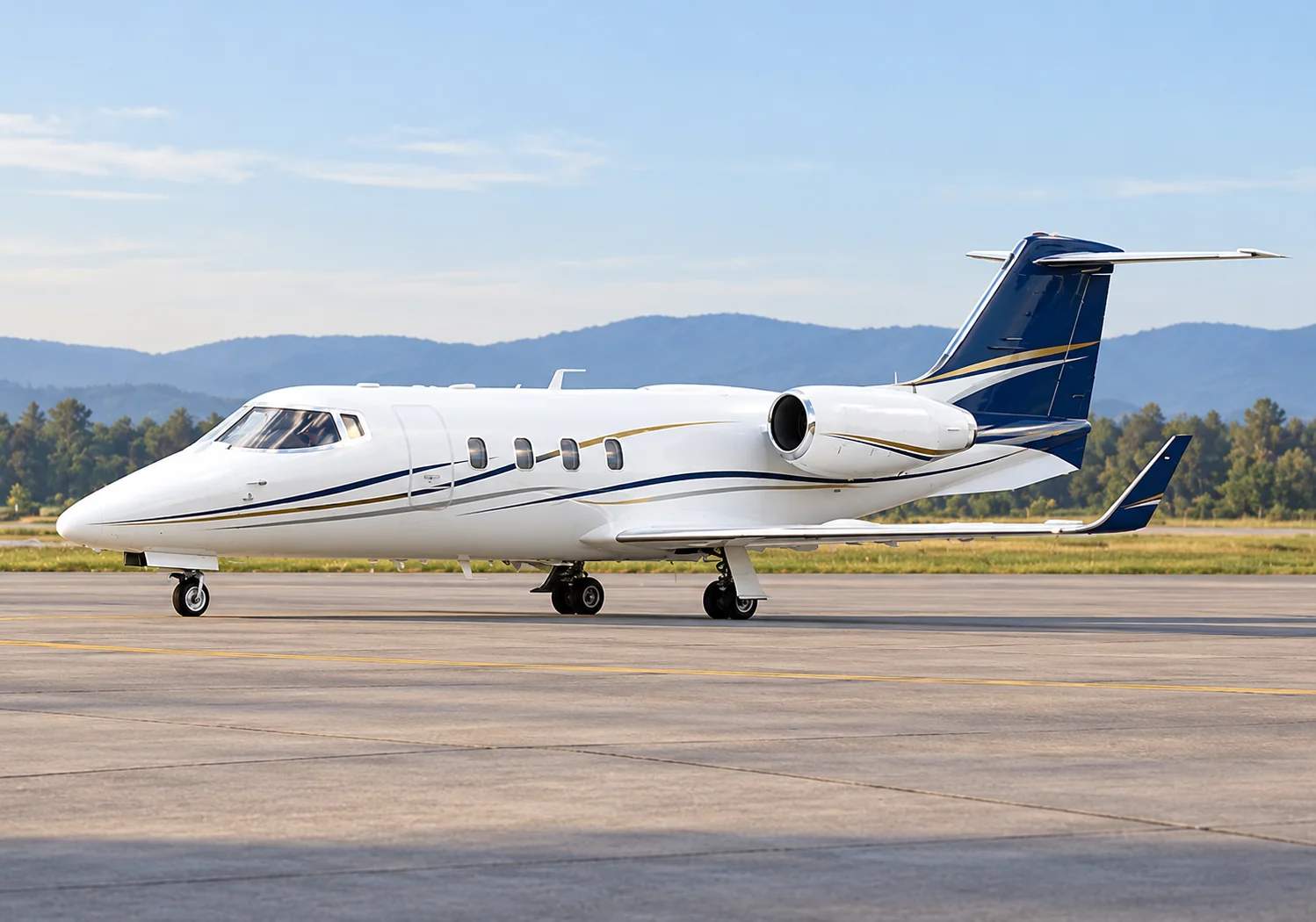
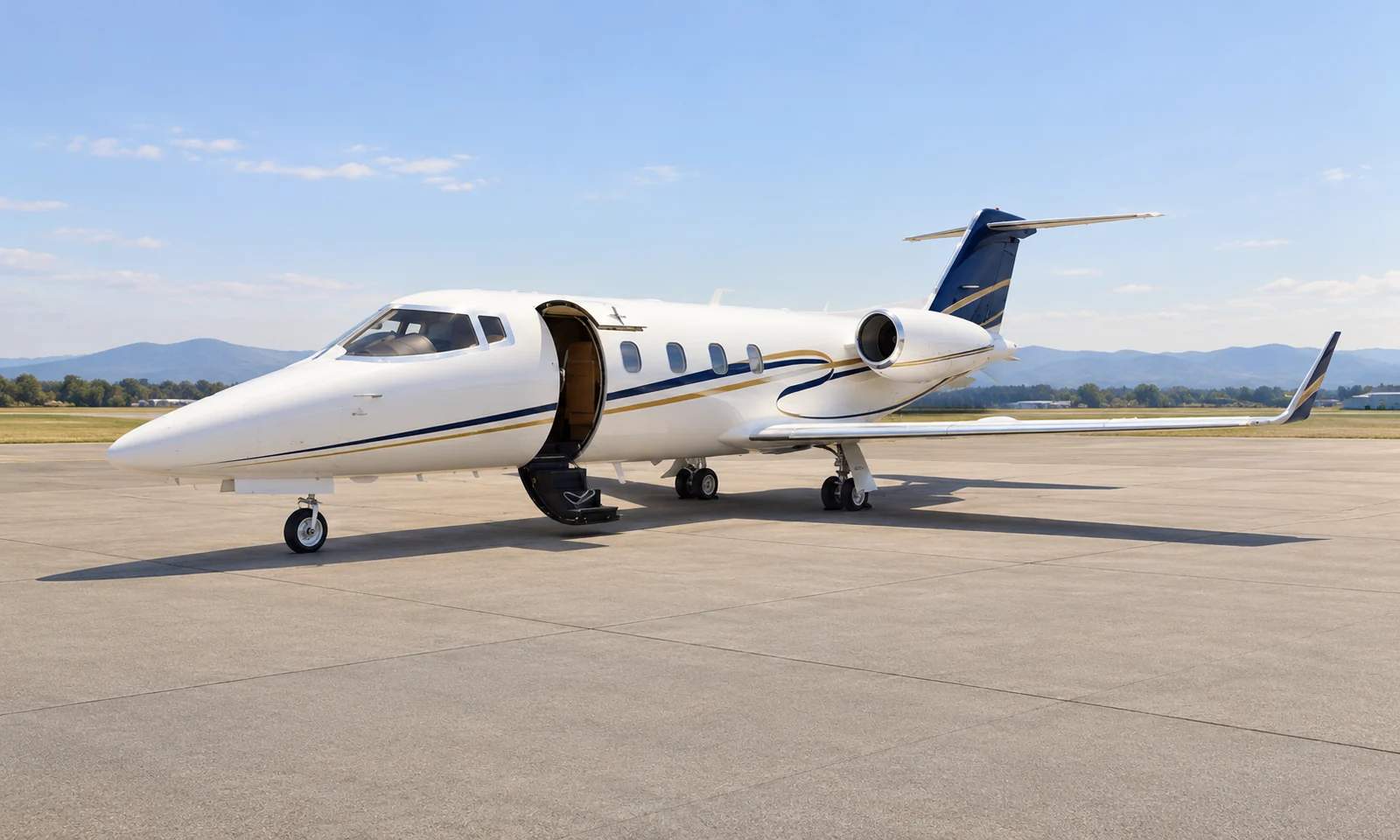
The Learjet 31, certified in 1988, kept the narrower 35-series fuselage and turbofan engines but adopted the Longhorn wing. The 31A followed in 1991 with an updated flight deck. That left buyers a real choice: they could buy a later-design small Learjet without moving up to the larger cabin of the 55.
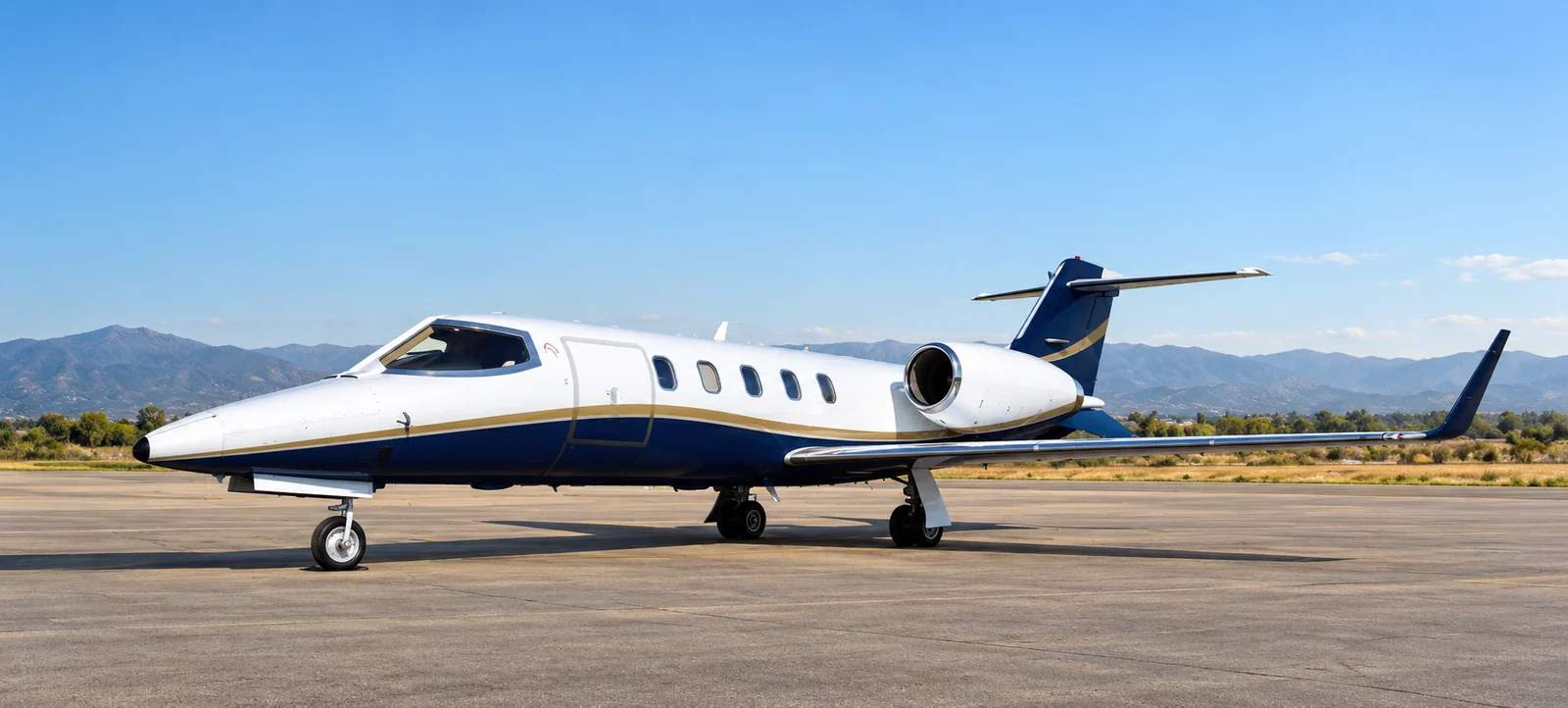
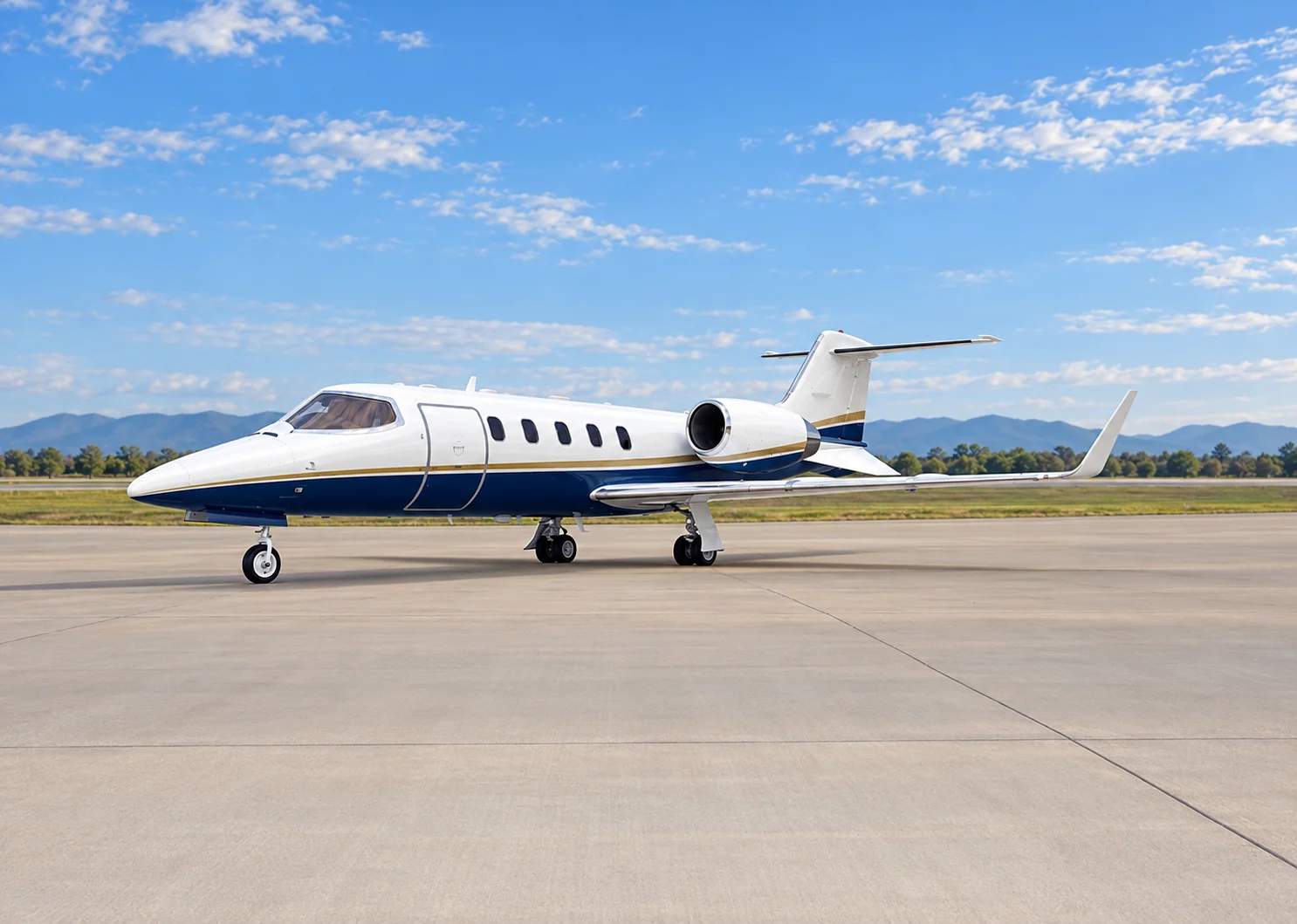
Learjet 60 and 60XR: more room, then a new flight deck
Integrated Acquisition bought Gates Learjet in 1987. Bombardier acquired Learjet in 1990 and inherited several lines of development. The Model 60 grew from the 55C: its fuselage was stretched 28 inches, the cabin door moved forward and Pratt & Whitney Canada PW305A engines replaced the earlier TFE731s.
That’s a different story from the later 60XR. The XR kept the Model 60 foundation and added an updated cabin and Collins Pro Line 21 avionics in place of Pro Line 4. For a buyer comparing used aircraft, it helps to know which improvement came when. The move from 55C to 60 changed the airframe and engines; the move from 60 to 60XR changed much of what the pilots and passengers used inside.
Learjet 45, 40 and the XR versions: read the number both ways
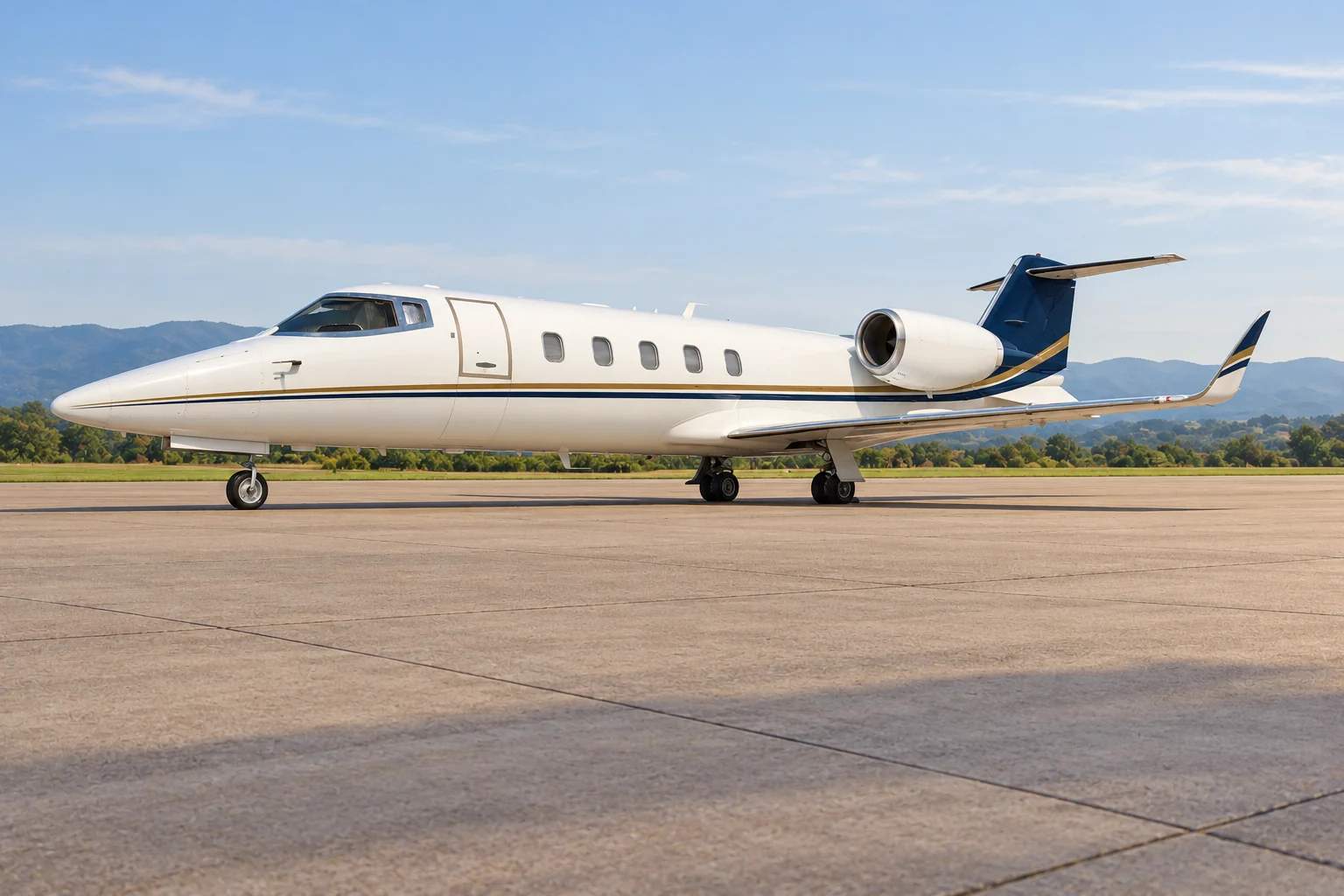
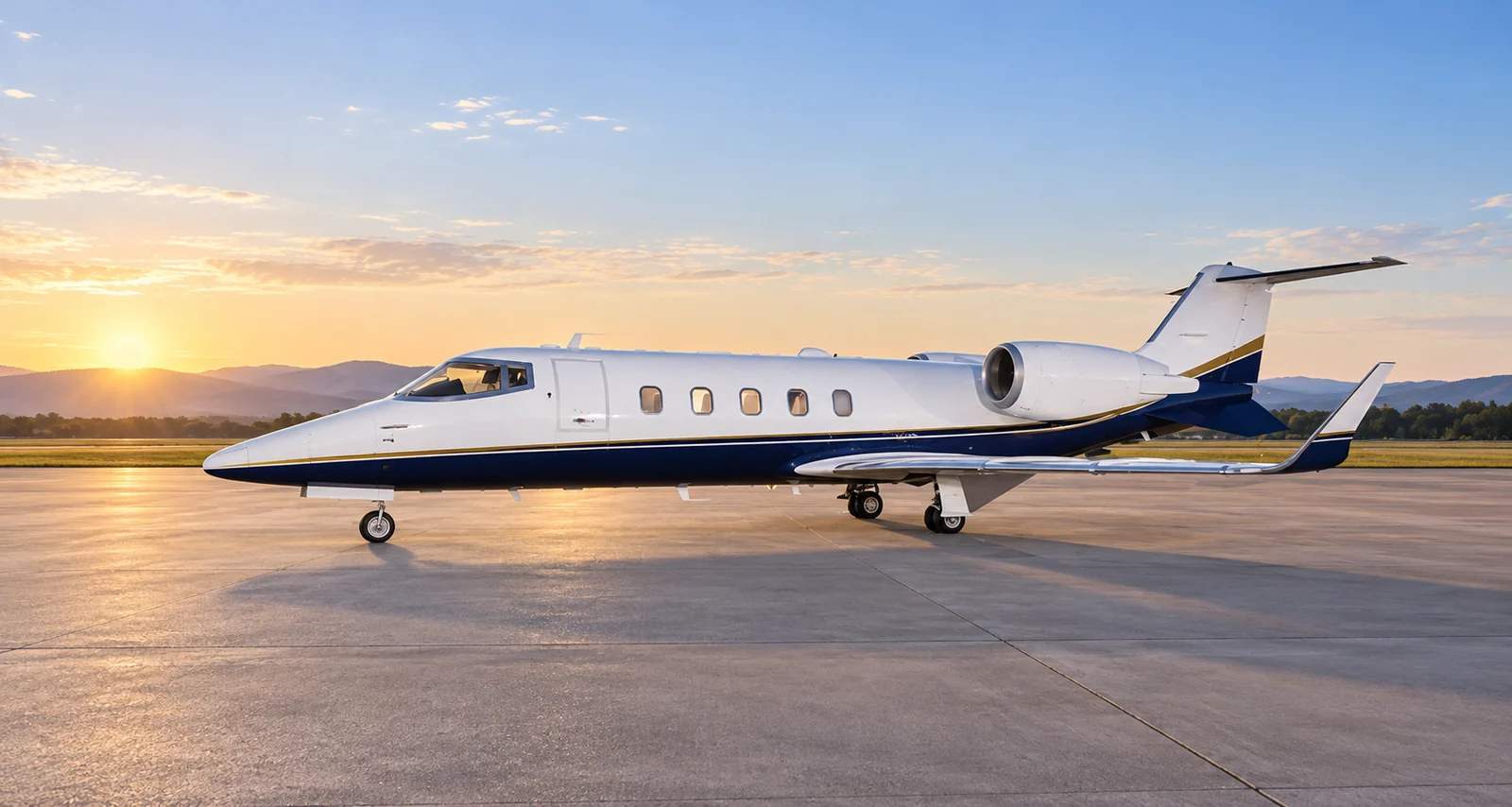
The 45 came before the 40. It was a new light-jet design, certified in 1997, rather than another stretch of the original 23. Bombardier subsequently shortened the 45 to create the 40. Both acquired XR upgrades. On the 45XR, the engine changes were especially useful on a hot day at a high-elevation airport, where thinner air erodes takeoff and climb performance.
A useful distinction appears in the UK Civil Aviation Authority’s Model 45 type certificate data sheet. Learjet 40, 45, 70 and 75 are commercial designations for different configurations of the certified Model 45. That doesn’t make the four aircraft identical. It explains why an airworthiness document might say “Model 45” even when the aircraft is marketed as a 75.
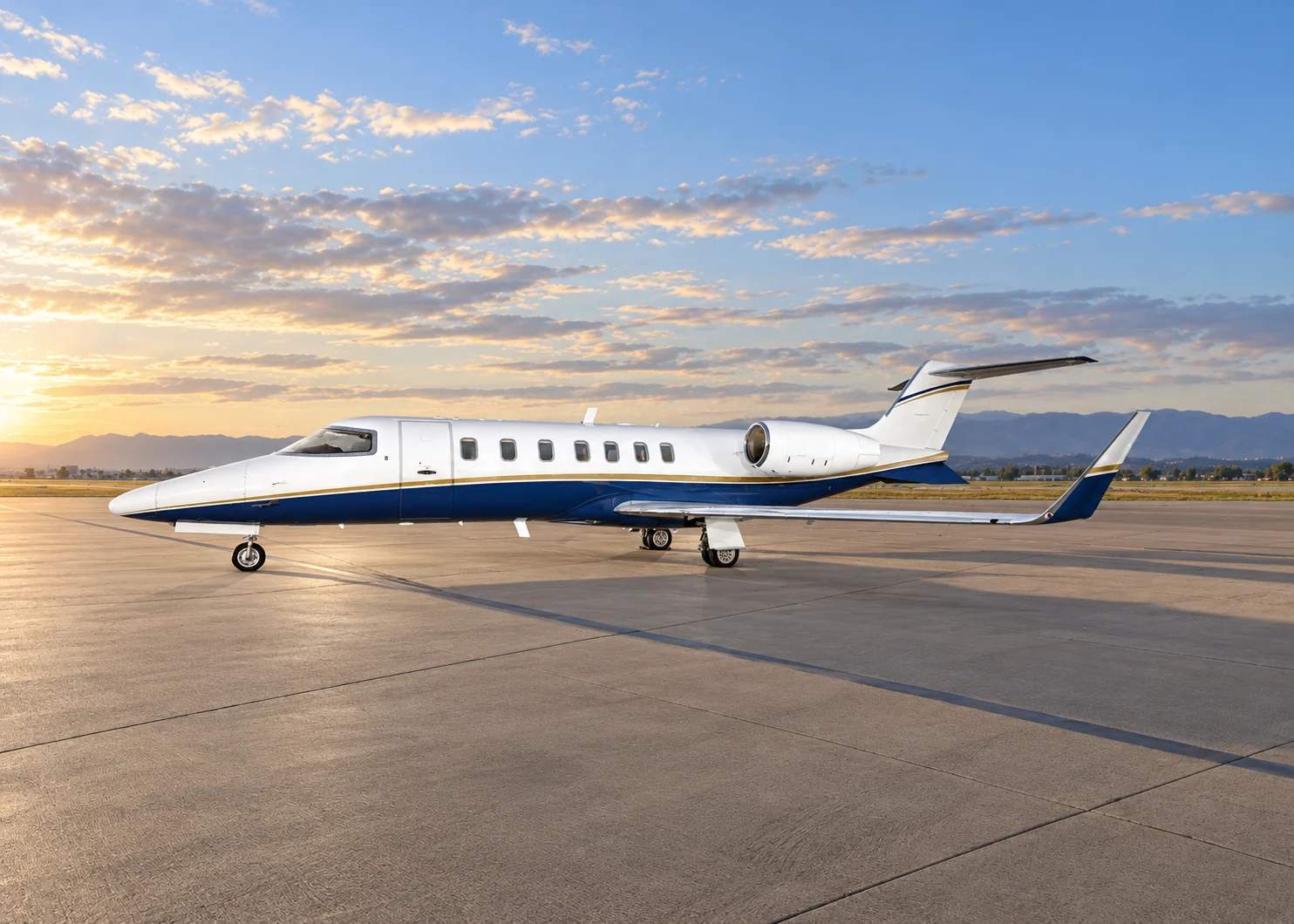
Learjet 70, 75 and Liberty: what the last production models offered
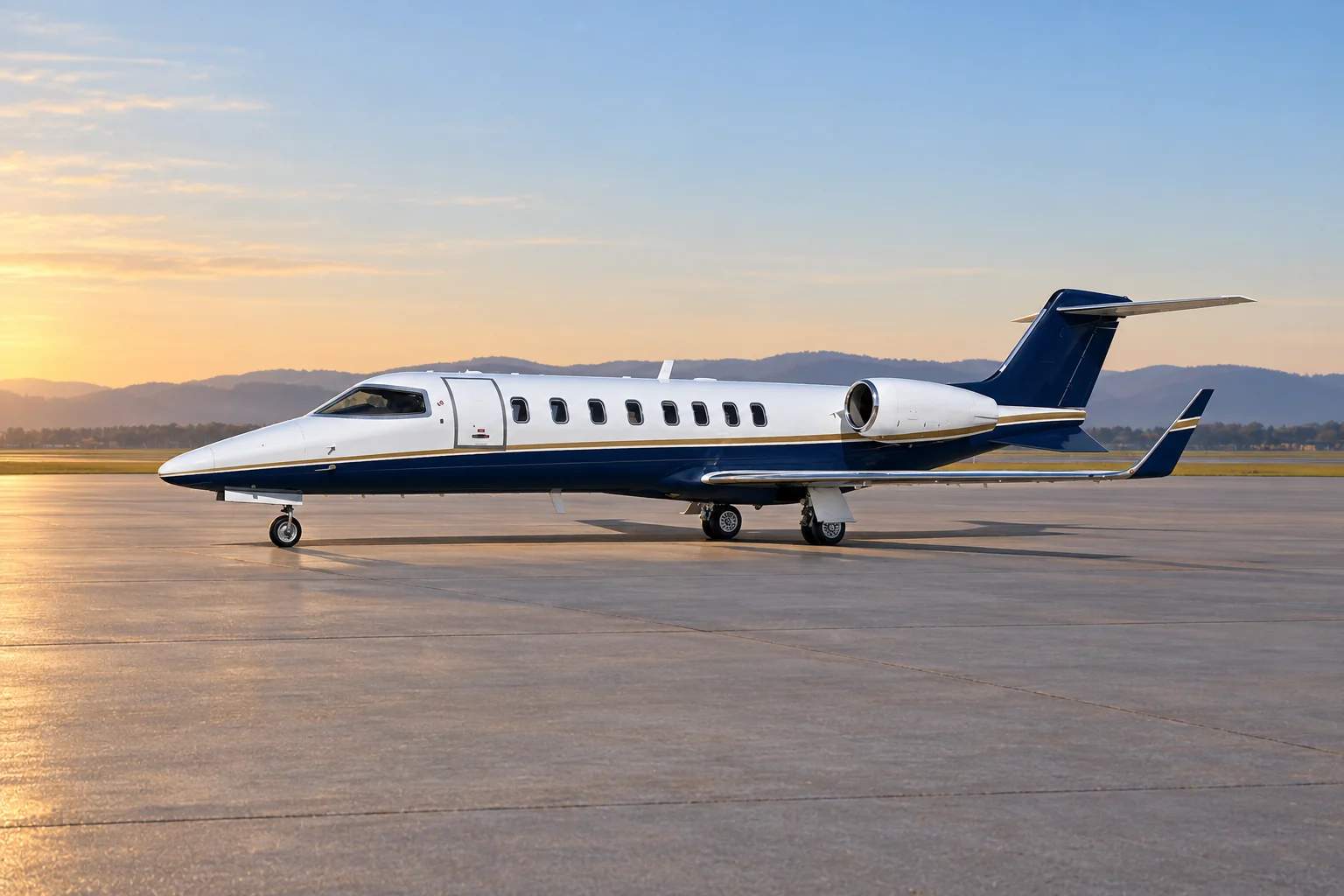
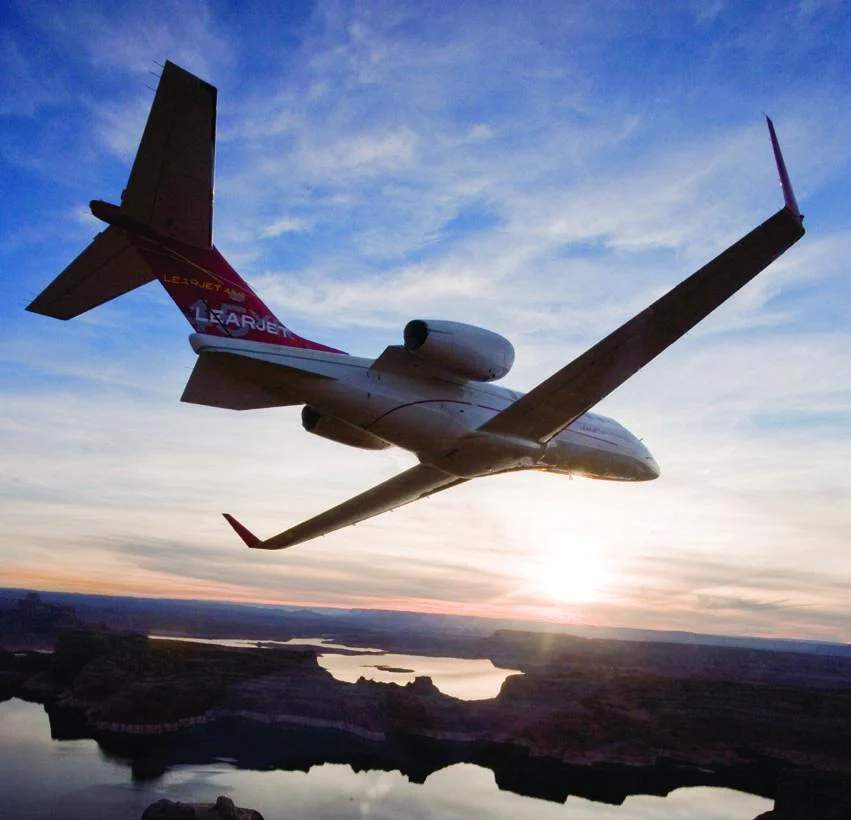
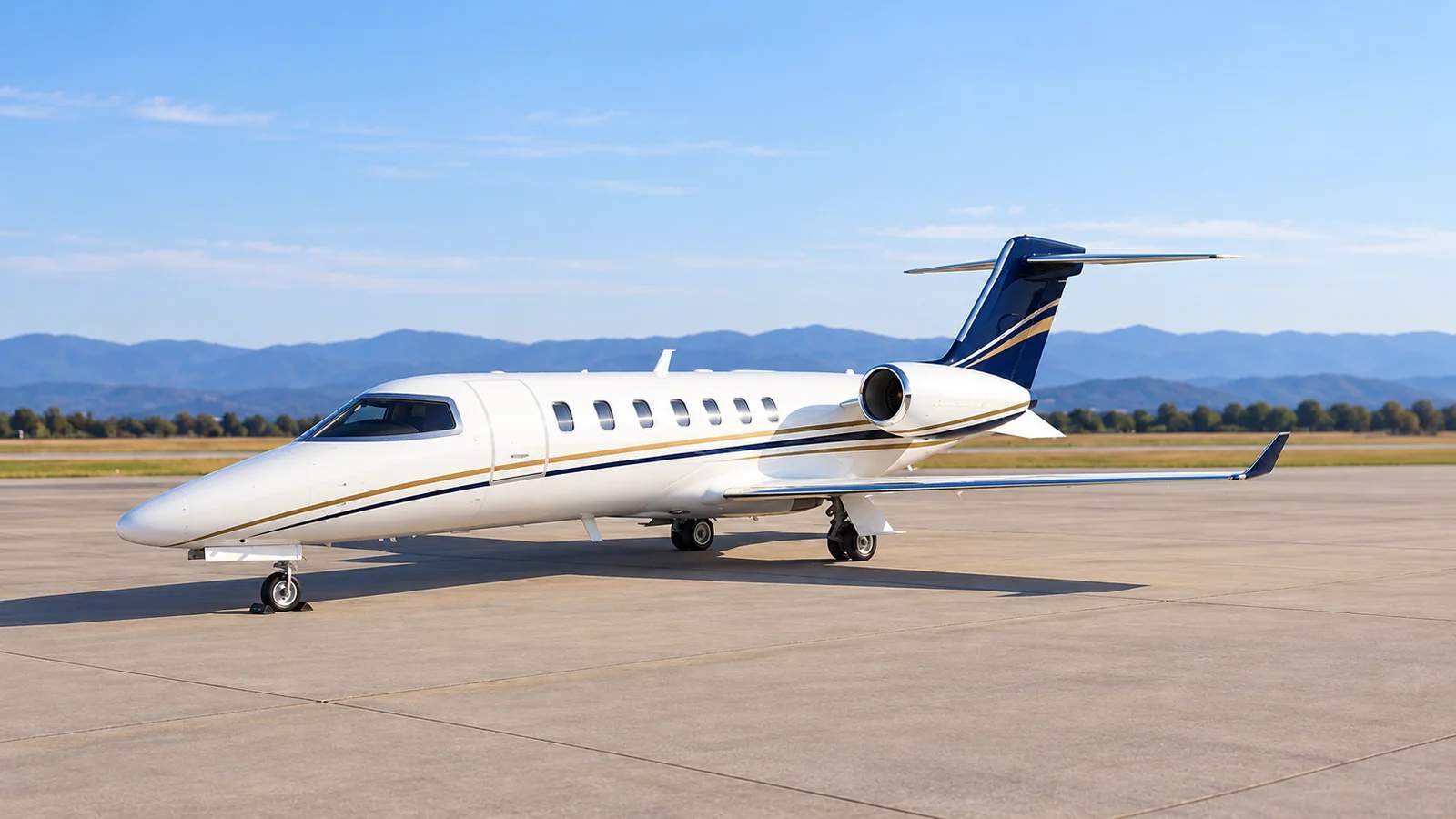
Bombardier took the shorter and longer members of the 45 family forward as the 70 and 75. The changes included revised winglets, engine upgrades and a Garmin G5000-based flight deck. The 75 received FAA certification in November 2013. The 70 served customers who wanted the shorter cabin; the 75 gave operators more space to arrange seating for a group.
Then Bombardier did something that helps explain the difference between seat count and cabin value. It introduced the Learjet 75 Liberty with six seats and a forward executive suite. Two fewer seats than an eight-seat layout gave the passengers who were actually aboard more room. The Liberty entered service in 2020. It was an interior and market offering within the 75 line, not a new clean-sheet airframe.
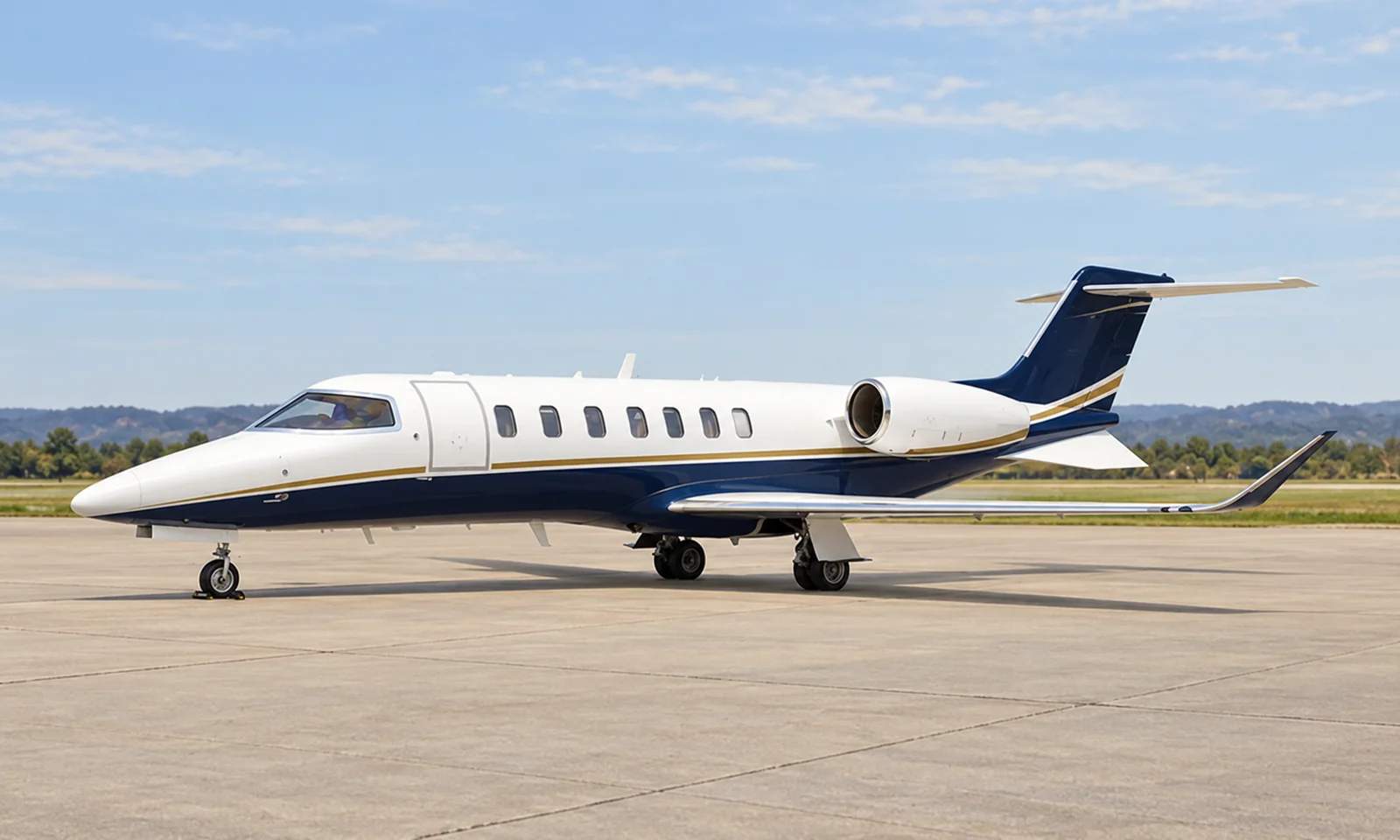


Learjet 75 Liberty model profile
What happened to the Learjet 85?
If you follow the model numbers alone, you might expect the 85 to be the final Learjet a customer received. It never reached that point. The 85 was a larger, composite-intensive design that would have taken the brand into a different part of the business jet market.
A real prototype flew from Wichita on April 9, 2014. Bombardier later canceled the program, as it recorded in its 2015 annual report. A first flight shows that a prototype can fly. It doesn’t mean the design has completed certification or that production aircraft are ready to deliver. The 85 belongs in the history and in the gallery, but not on a list of Learjets that entered customer service.
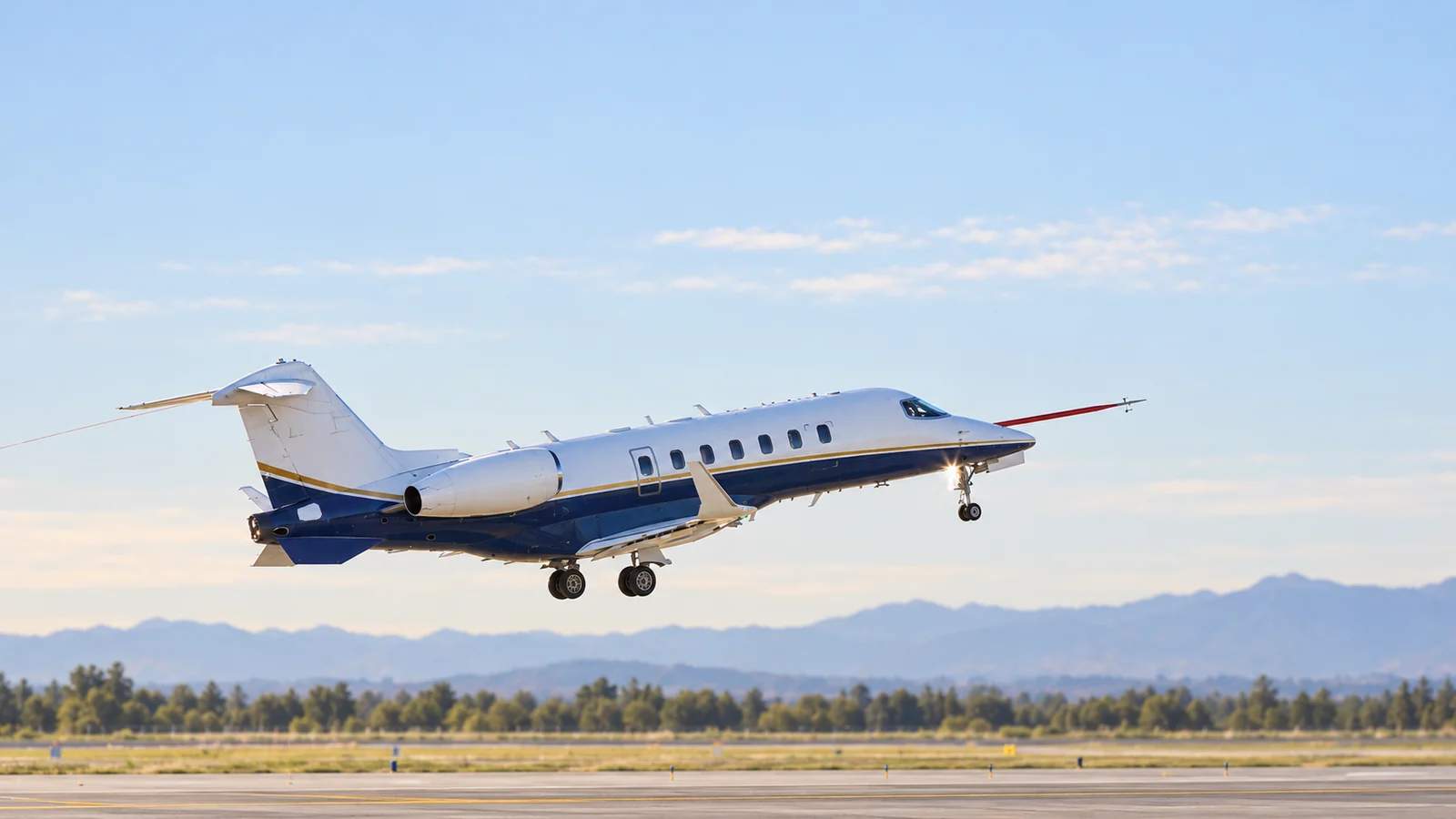
Why Bombardier stopped building Learjets
In February 2021, Bombardier announced that it would end Learjet production and concentrate new-aircraft investment on its more profitable Challenger and Global families. By then, more than 3,000 Learjets had been delivered. The announcement and the last customer handover fell in different calendar years.
On March 28, 2022, Bombardier handed over the final production Learjet, an eight-seat 75, to Northern Jet Management in Wichita. GAMA’s 2022 shipment report records three Learjet deliveries in the first quarter and none in the rest of the year. The six-seat Liberty was a late addition to the line; it wasn’t the configuration of that last aircraft.
Production ending didn’t retire the fleet. Bombardier continues to support Learjets, and Northern Jet still lists the 40/45XR and 70/75 families. If you book one today, you can still encounter the same tradeoffs buyers faced decades ago. How many people are going? How much fuel must go with them? And would you rather have another seat or more room around yours?
Frequently asked questions
Was the Learjet 23 the first business jet?
No. The Lockheed JetStar preceded it. The 23’s distinction was making a small, fast jet a practical proposition for corporate and personal travel. It first flew in 1963 and reached its first customer in 1964.
Who founded Learjet, and who owns the brand now?
William P. Lear started the project in Switzerland and brought it to Wichita. Gates Rubber acquired his controlling stake in 1967. Bombardier acquired Learjet in 1990 and continues to support the aircraft after the end of production.
What is the difference between a Learjet 35A and a 36A?
The 36A trades passenger space for additional fuselage fuel. The regulator lists up to eight passengers for the 35A and six for the 36A, in addition to two crew. The installed layout on a particular jet tells you how many seats you can actually book.
How many Learjet models were there?
It depends on what you count. A certificate can cover several commercial models, and a family can include multiple variants. This guide pictures all 33 Learjet entries in the BizJet Journal model directory; that count includes family profiles, individual variants and the undelivered 85 prototype. The FAA data sheet also includes designations such as 24C, 25A and 25F that do not have separate directory profiles.
What was the last Learjet ever built?
The last production aircraft delivered was a Learjet 75, handed over to Northern Jet Management in March 2022. The higher-numbered 85 had already flown as a prototype, but its program was canceled before customer deliveries.