News · news
Gulfstream G400 Completes First Outfitted Flight, Sets Miami–Las Vegas Speed Record
Gulfstream’s first fully outfitted G400 reaches 48,000 feet as another test aircraft sets a Miami–Las Vegas speed record. Both milestones mark progress toward certification.

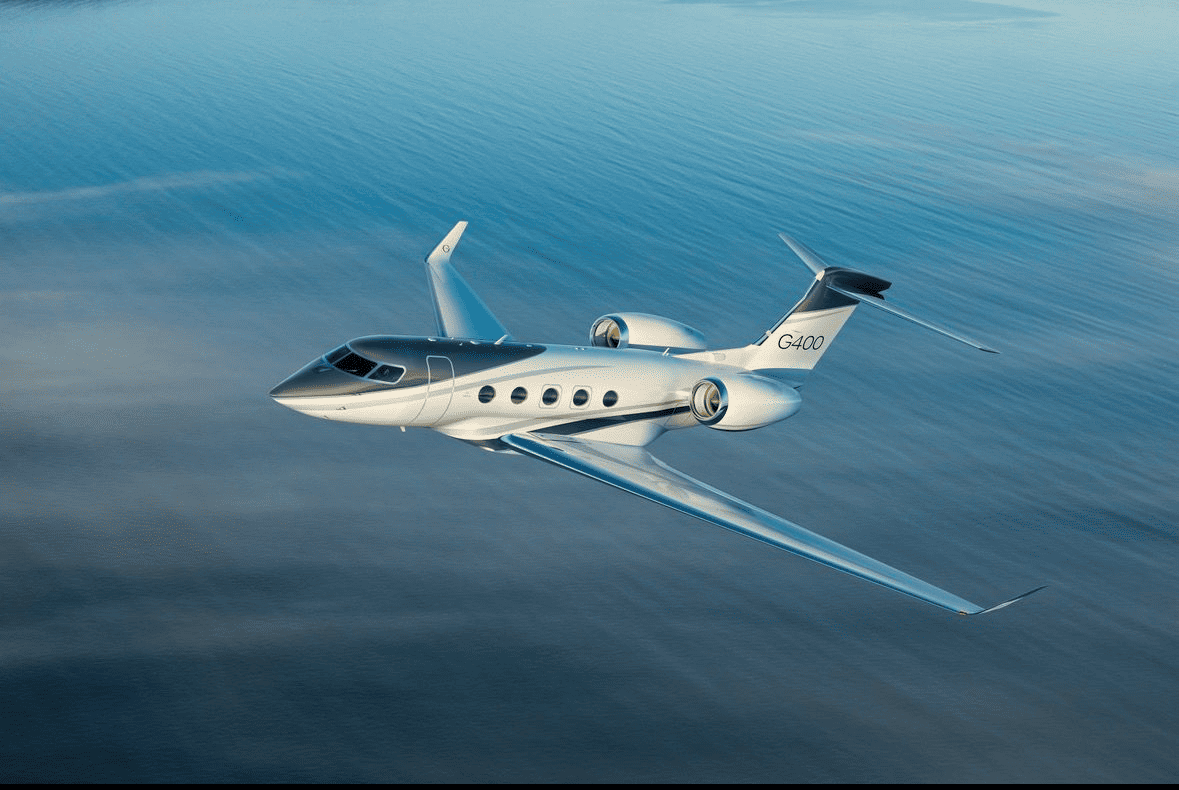
Gulfstream has flown its first fully outfitted G400, adding a cabin-equipped aircraft to the business jet’s flight-test program as work continues toward certification. Announced on October 19, the milestone came alongside a Miami–Las Vegas speed record set by another experimental G400 using a sustainable aviation fuel blend.
The manufacturer’s latest update brings together two different parts of aircraft development: testing the passenger environment in flight and demonstrating the performance of the wider aircraft program. The G400 remains in development, type certification not yet issued nor the start of customer deliveries.
First fully outfitted G400 reaches 48,000 feet
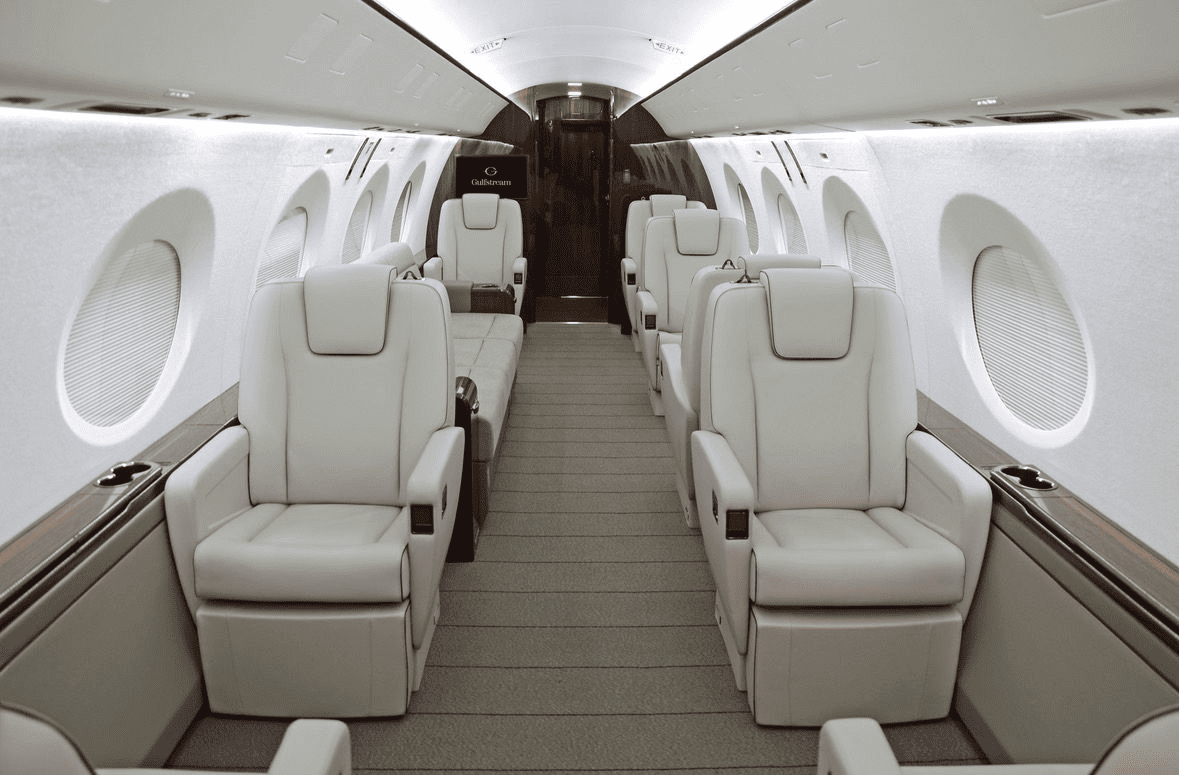
The outfitted aircraft departed Dallas Love Field and remained airborne for 2 hours and 46 minutes, reaching 48,000 feet. Its interior has an 11-passenger layout across two-and-a-half living areas.
According to Gulfstream’s announcement, this aircraft is dedicated to evaluating cabin systems at altitude, along with in-flight functionality and comfort.
That is a useful next step for anyone following the aircraft as a potential owner or passenger. A cabin can look finished on the ground, but flight testing provides a different setting in which to assess how its systems and passenger environment work together. The interior now becomes part of the aircraft’s test work in the air.
Miami to Las Vegas in 4 hours and 8 minutes
Separately, Gulfstream says an experimental G400 set a city-pair speed record between Miami and Las Vegas while traveling to the 2026 NBAA Business Aviation Convention & Exhibition.
The flight took 4 hours and 8 minutes, with a reported average speed of Mach 0.89. It used a blend of sustainable aviation fuel, although Gulfstream did not disclose the blend percentage in the announcement.
The company also reported high-altitude testing in Telluride, Colorado, and cold-weather testing in Iqaluit, Canada. These missions form part of the broader validation effort as the program progresses toward approval.
What the G400 is designed to offer
The new G400 combines a large cabin with a published long-range cruise target of 4,200 nautical miles at Mach 0.85. Power comes from two Pratt & Whitney PW812GA engines, while the cockpit uses Gulfstream’s Symmetry Flight Deck.
| Specification | Published figure |
|---|---|
| Long-range cruise | 4,200 nm / 7,778 km at Mach 0.85 |
| High-speed cruise | 3,950 nm / 7,315 km at Mach 0.88 |
| Maximum operating speed | Mach 0.90 |
| Maximum cruise altitude | 51,000 feet |
| Seating | Up to 12 passengers, depending on layout |
| Living areas | Up to 2.5 |
| Engines | Two Pratt & Whitney PW812GA |
Source: Gulfstream’s G400 product specifications.
Although these performance figures are preliminary and subject to change. Published ranges assume eight passengers, three crew and NBAA IFR reserves; actual range varies with weather, routing, speed, outfitting and other operating conditions.
The 11-passenger test interior is therefore one configuration within the aircraft’s wider cabin offering. Gulfstream lists floorplans accommodating nine, 11 or 12 passengers.
How this differs from the G400’s original first flight
Gulfstream introduced the G400 alongside the G800 on October 4, 2021. The program’s original first flight followed on August 15, 2024, from Savannah/Hilton Head International Airport.
That flight lasted 2 hours and 54 minutes, reached Mach 0.85 and climbed to 41,000 feet, formally launching the flight-test program. It also used a sustainable aviation fuel blend.
The latest milestone concerns the first fully outfitted test aircraft. For readers tracking the program, that distinction matters: the G400 has been flying since 2024, and its test work now includes the finished passenger environment.
Certification remains the next major milestone
Gulfstream describes the latest achievements as progress toward certification. Its October announcement did not provide a firm certification date or a new delivery schedule.
For prospective customers, the next development to watch is regulatory approval, followed by entry into service. Until then, the outfitted aircraft gives the test team another way to evaluate the experience that will eventually accompany the G400’s published performance.