News · analysis
Boeing 737 MAX 10 Wins FAA Certification: What It Means for BBJ Buyers
The 737 MAX 10 has FAA approval and 1,555 orders. We examine the certification journey, delivery outlook and implications for Boeing Business Jets buyers.

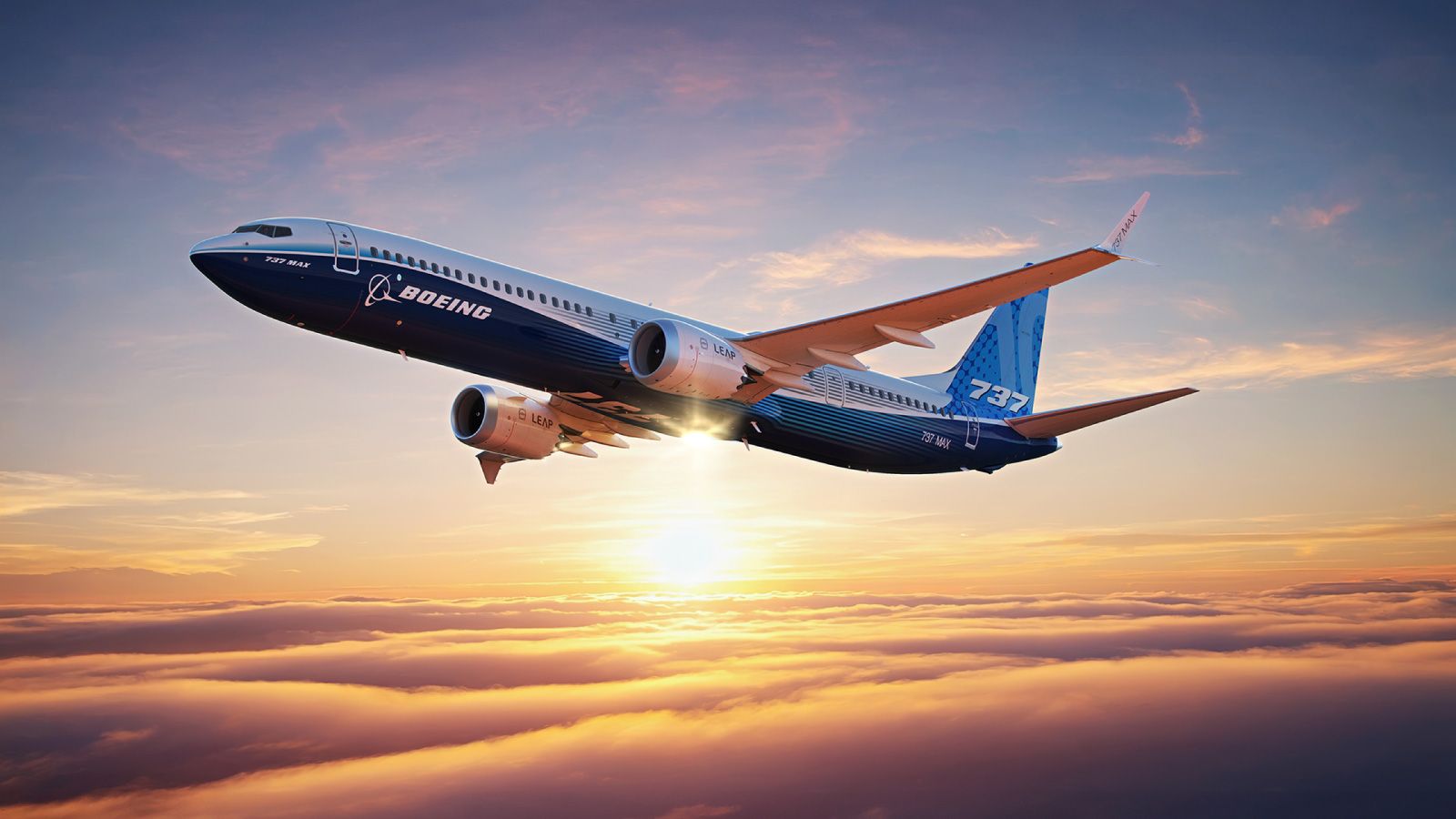
The Boeing 737 MAX 10 has received FAA certification, ending a development and approval process that stretched more than nine years from its 2017 launch. Boeing says deliveries of the largest MAX variant can begin in the coming months, releasing an order book of 1,555 aircraft.
For business aviation, the immediate significance lies in the wider MAX platform and its safety upgrades. Boeing’s advertised BBJ 737 MAX family currently comprises the 737-7, 737-8 and 737-9.
As of October 21, 2026, the manufacturer has not publicly announced a BBJ 737-10 offering, its backlog or a delivery timetable.
What the FAA has approved
The FAA announced on October 20 that it had issued an amended type certificate and updated the Production Limitation Record for the 737 MAX 10. These approvals cover the aircraft design and its inclusion in Boeing’s authorized production, following years of engineering review and testing.
The regulator said Boeing incorporated improvements addressing the Aircraft Certification, Safety, and Accountability Act and NTSB recommendations. The announcement establishes U.S. approval; it should not be interpreted as confirmation of simultaneous validation by every overseas aviation authority.
Is a BBJ 737 MAX 10 now available?
A certified airliner provides the underlying platform from which a business jet could be developed. Boeing would still need to define and offer a corporate version, its equipment and performance, and the applicable approval path for VIP modifications.
For now, the Boeing Business Jets product page lists the BBJ 737-7, BBJ 737-8 and BBJ 737-9. Those are the published MAX options buyers can evaluate against their missions.
That distinction matters when discussing a possible BBJ MAX 10. A corporate configuration would have its own cabin weight, fuel arrangement, passenger assumptions and mission requirements. There is no published BBJ 737-10 specification on which to base a reliable range or delivery estimate.
The current BBJ Select offering covers the 737-7 and 737-8, using predesigned cabin layouts and a turnkey purchasing approach. Boeing identifies ALOFT AeroArchitects and Greenpoint Technologies as completion partners. The MAX 10 certification announcement does not expand that published selection.
Orders, backlogs and expected deliveries
Boeing’s certification announcement gives the following position for the commercial MAX 10 programme.
| Measure | Confirmed position | Scope |
|---|---|---|
| 737-10 orders | 1,555 aircraft from more than 30 customers | Overall 737-10 programme; not a BBJ order count |
| Share of unfilled MAX orders | More than 30% | Boeing’s stated share at certification |
| First 737-10 deliveries | In the coming months | Latest Boeing guidance; no precise handover date |
| BBJ 737-10 backlog and deliveries | No public programme or schedule announced | No BBJ-specific count can be inferred |
The announcement does not provide a current BBJ MAX backlog split by variant.
Production remains another constraint. When Boeing opened its Everett North Line in July, it said existing MAX orders extended production into the 2030s. The added line is intended to increase capacity and improve predictability, including room for aircraft requiring longer production work.
That supports the broader delivery system, but it does not promise an earlier individual BBJ slot.
A green aircraft delivery is only one part of a BBJ schedule
For a private buyer, the useful delivery date is usually the date the fully equipped aircraft can enter service. A factory handover and a completed VIP cabin can be separated by substantial work.
Boeing’s original BBJ MAX launch announcement described initial delivery without an interior, followed by installation at the customer’s selected completion centre. That distinction remains central to understanding a bespoke business-airliner project.
| Stage | What it establishes |
|---|---|
| Aircraft type approval | The underlying design meets the applicable certification requirements |
| Factory or green handover | The contracted aircraft is delivered in its agreed production configuration |
| VIP completion and modification approvals | The cabin and other customer-specific changes are installed, tested and approved |
| Completed-aircraft acceptance | The owner accepts the configured aircraft for its intended operation |
A sensible acquisition schedule therefore needs both an aircraft position and a completion plan. The cabin design, equipment, modification approvals and acceptance work must fit together. MAX 10 certification resolves the base-aircraft approval question; it does not supply those missing elements for an unannounced BBJ variant.
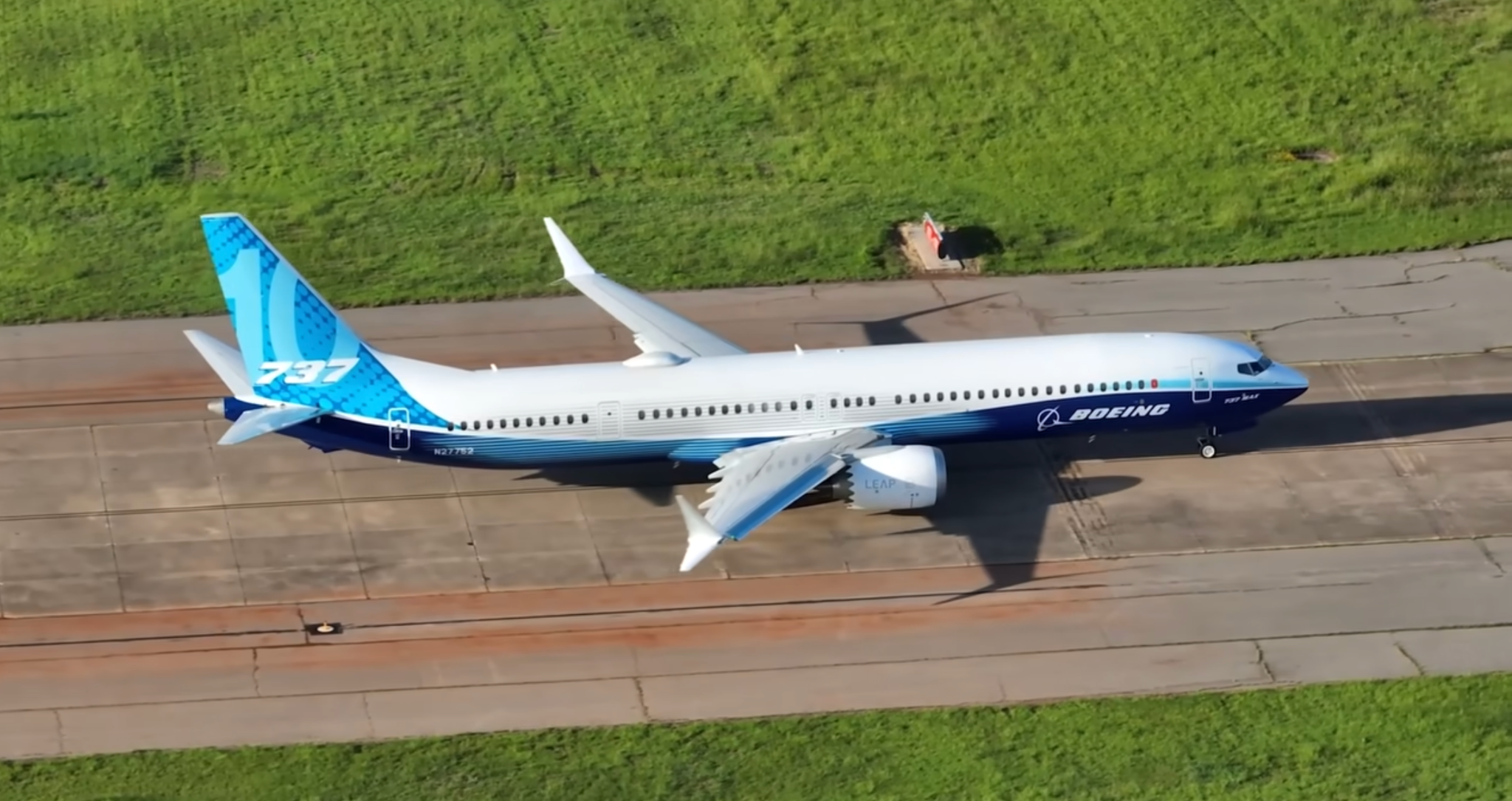
The certification journey: from Paris in 2017 to approval in 2026
Boeing launched the MAX 10 at the Paris Air Show on June 19, 2017, with more than 240 orders and commitments from over 10 customers. It stretched the fuselage by 66 inches compared with the MAX 9 and introduced levered main landing gear, allowing a larger aircraft within the MAX family.
Its first flight on June 18, 2021 lasted approximately two and a half hours, from Renton to Boeing Field. Boeing was then targeting entry into service in 2023. The eventual October 2026 approval shows how far the programme moved beyond that published schedule.
| Date or period | Milestone |
|---|---|
| June 19, 2017 | MAX 10 launched at the Paris Air Show |
| June 18, 2021 | First flight from Renton to Boeing Field; 2023 service entry then targeted |
| December 2022 | Congress revised crew-alerting provisions and mandated specific MAX safety enhancements |
| Fourth quarter 2023 | FAA authorized the first phase of MAX 10 certification flight testing |
| By July 28, 2026 | Boeing reported completion of final planned certification flight testing |
| October 20, 2026 | FAA issued the amended type certificate and updated production authorization |
The early part of that journey overlapped with a fundamental reassessment of MAX safety. The Lion Air and Ethiopian Airlines crashes in 2018 and 2019 killed 346 people. In its September 2019 recommendations, the NTSB called for stronger consideration of how pilots respond to multiple simultaneous warnings and indications.
This was a human-factors issue as well as an engineering one: certification assumptions needed to reflect the demands crews could actually face. The MAX 10 approval incorporates work undertaken in that changed regulatory environment.
Boeing’s 2023 annual filing records FAA authorization for the first phase of certification flight testing in the fourth quarter of that year. It also identified engineering work on the engine anti-ice system as a reason certification and first deliveries of the MAX 7 and MAX 10 would be delayed.
The technical changes behind the delay
The engine anti-ice issue concerned the risk of excessive inlet temperatures under specified operating conditions. An FAA directive published in August 2023 required operating limitations for affected MAX 8 and MAX 9 aircraft after analysis of anti-ice use in dry air. It was a fleet issue with implications for the development aircraft as Boeing worked on a design solution.
Boeing subsequently reported that the MAX 10 certification tests validated its engine anti-ice solution. This work ran alongside the enhanced angle-of-attack system, rather than replacing the separate flight-control and crew-alerting effort.
In its June 2026 engineering explanation, Boeing described five software monitors that check whether the aircraft’s two angle-of-attack vanes are behaving as expected. When the system identifies faulty data, it can block that data or substitute a default value to protect downstream calculations.
The package also provides an AOA FAIL indication identifying the affected side, alongside a manual means of suppressing a nuisance stick-shaker warning. Boeing’s stated aim is to make failures clearer to crews and reduce workload. Describing it simply as an extra physical sensor would miss how the published system works.
Why the final test flight was not the final approval
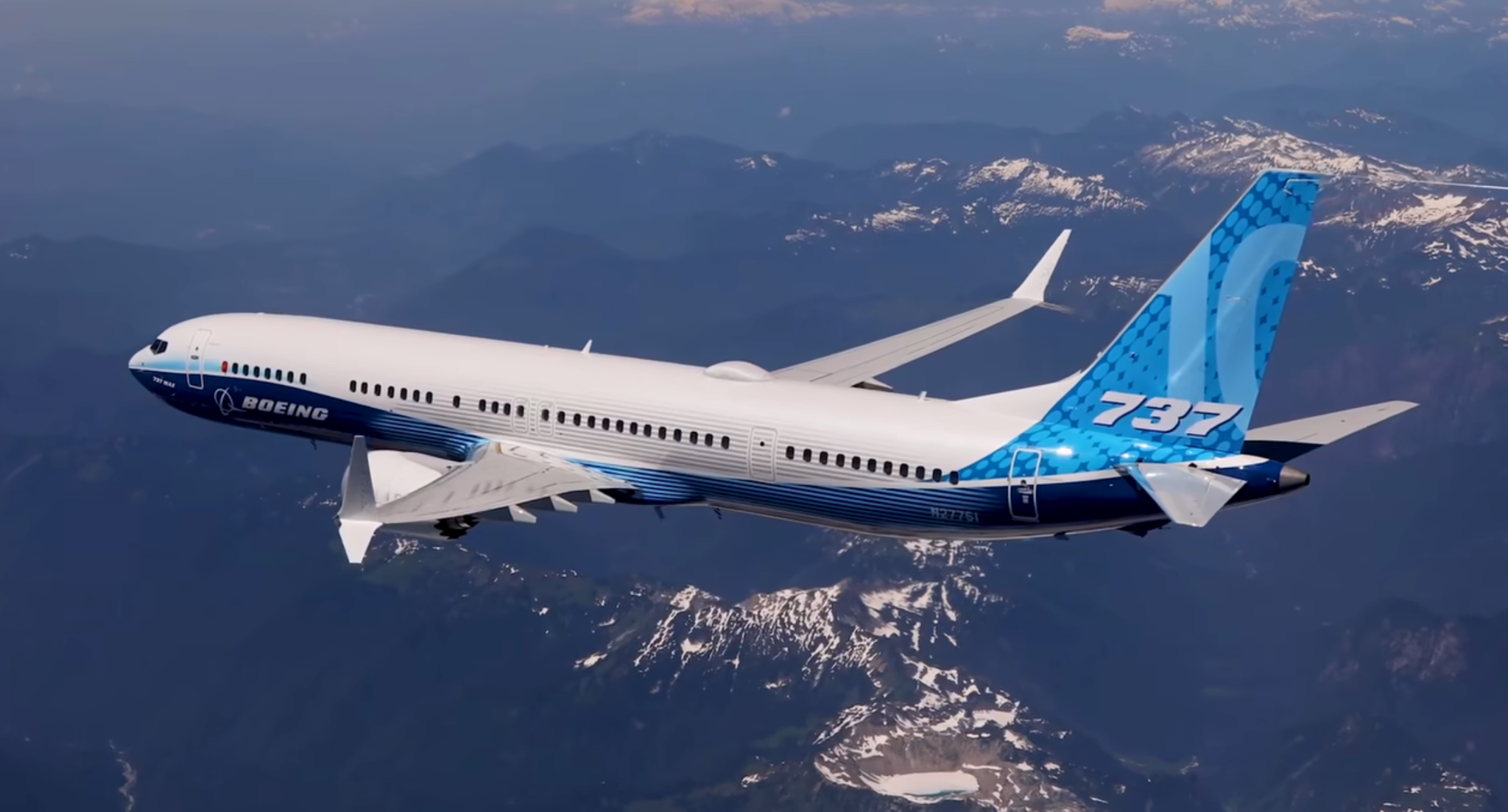
By July 28, Boeing said three MAX 10 test aircraft had completed 976 flights, accumulating more than 2,060 flight hours and about 1,040 ground-test hours. The testing recap covered landing gear, wet-runway braking, maximum-energy stops, engine anti-ice and enhanced angle-of-attack performance.
The final planned flight checked cabin-alert audibility, including the lavatory smoke detector and speaker system. Certification also covers those everyday details.
At that stage, development-assurance reviews, system-safety assessments and final regulatory submissions still remained. Finishing the planned flying programme was a major milestone, but the evidence then had to be completed and reviewed before the FAA could issue its approval.
The direct implications for existing BBJ MAX operators
The wider-fleet safety requirements make the MAX 10 decision relevant even to owners who will never consider the larger airframe.
The FAA’s implementation plan for required MAX enhancements explains that the MAX 10 type certificate starts two statutory periods. After one year, original FAA airworthiness certificates for MAX aircraft require the specified enhancements in the type design. After three years, operation requires the aircraft to conform to the enhanced design.
The notice identifies a synthetic enhanced angle-of-attack system and means of shutting off stall-warning and overspeed alerts, or equivalent provisions. It also sets out FAA monitoring of retrofit work on in-service U.S.-registered MAX aircraft. These are MAX requirements, so a corporate interior does not by itself remove a BBJ MAX from consideration.
For affected owners and aircraft managers, the practical task is to align the applicable Boeing service information, approved installation and maintenance availability. Aircraft registered elsewhere also need to be assessed against the requirements adopted by their own aviation authority.
What BBJ buyers should watch next
The next commercially useful milestones are the first MAX 10 handovers, production progress, and any explicit Boeing announcement of a corporate derivative. If a BBJ 737-10 is offered, buyers will need published specifications, a firm aircraft position and a completion proposal before attaching a meaningful delivery date to it.
Today, the strongest business-aviation outcome is progress on the common MAX platform, with a defined route for safety improvements across the fleet. The published BBJ 737-7, 737-8 and 737-9 remain the starting points for an actual acquisition discussion.
Watch Boeing’s certification video
Watch Boeing’s official 737-10 certification highlights. Video credit: Boeing; Ryan Coe and Wen Huber.