News · news
Falcon 50 N200SG Overruns Runway at Las Vegas Harry Reid Airport
A Dassault Falcon 50 carrying eight people struck a perimeter fence after an aborted takeoff at Las Vegas Harry Reid Airport. No injuries were reported. Here are the confirmed details and N200SG’s aircraft history.

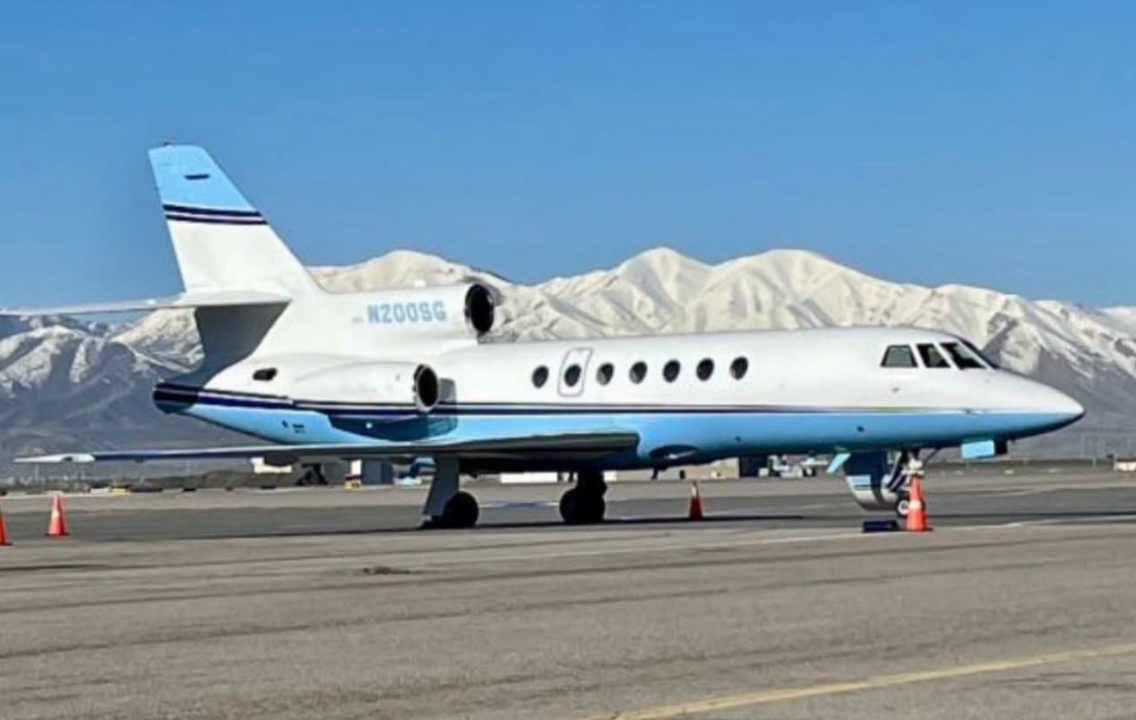
A Dassault Falcon 50, identified as N200SG, overran a runway during an aborted takeoff at Las Vegas Harry Reid International Airport on Sunday, October 18, 2026, and struck the airport’s perimeter fence. No injuries were reported.
The airport said the aircraft left Runway 1L at approximately 11 a.m. local time. The Federal Aviation Administration said eight people were aboard the Toronto-bound jet and that it would investigate.
What happened at Harry Reid International Airport?
In its initial public statement, Harry Reid International Airport confirmed that the aircraft made contact with the perimeter fence during departure. Officials closed Runways 1L and 1R for inspection and warned travelers of possible delays.
A temporary FAA ground stop also disrupted flights headed to Las Vegas. Such a restriction holds affected flights at their departure airports, helping manage incoming traffic while the destination airport deals with reduced capacity.
The jet’s identity was N200SG and the FAA registry identifies that registration as a Falcon 50, serial number 239.
| Item | Reported information |
|---|---|
| Date | Sunday, October 18, 2026 |
| Time | Approximately 11 a.m. local time |
| Airport | Harry Reid International Airport, Las Vegas (LAS/KLAS) |
| Runway | 1L |
| Aircraft | Dassault Falcon 50, registration N200SG |
| People aboard | Eight, according to the FAA statement reported by KTNV |
| Planned destination | Toronto Pearson International Airport, Canada |
| Injuries | None reported |
| Immediate response | Runways 1L and 1R closed for inspection; temporary ground stop |
Donnie Wahlberg says he was aboard
Actor and singer Donnie Wahlberg later said he had been aboard with members of his team and friends. In an Instagram account of the incident, he said those aboard were safe and thanked the pilots and emergency responders.
“We were taking off and didn’t get up in the air,” Wahlberg said. His account added a passenger’s perspective to the airport’s initial statement.
N200SG aircraft history: Falcon 50 serial number 239
The FAA aircraft registry identifies N200SG as a Dassault-Breguet Falcon 50, serial number 239, with Garrett TFE731-series turbofan engines. Its registered owner is Jacks Wings LLC of Boca Raton, Florida.
Its FAA airworthiness record dates to July 15, 1993, giving N200SG a documented history stretching back more than three decades.
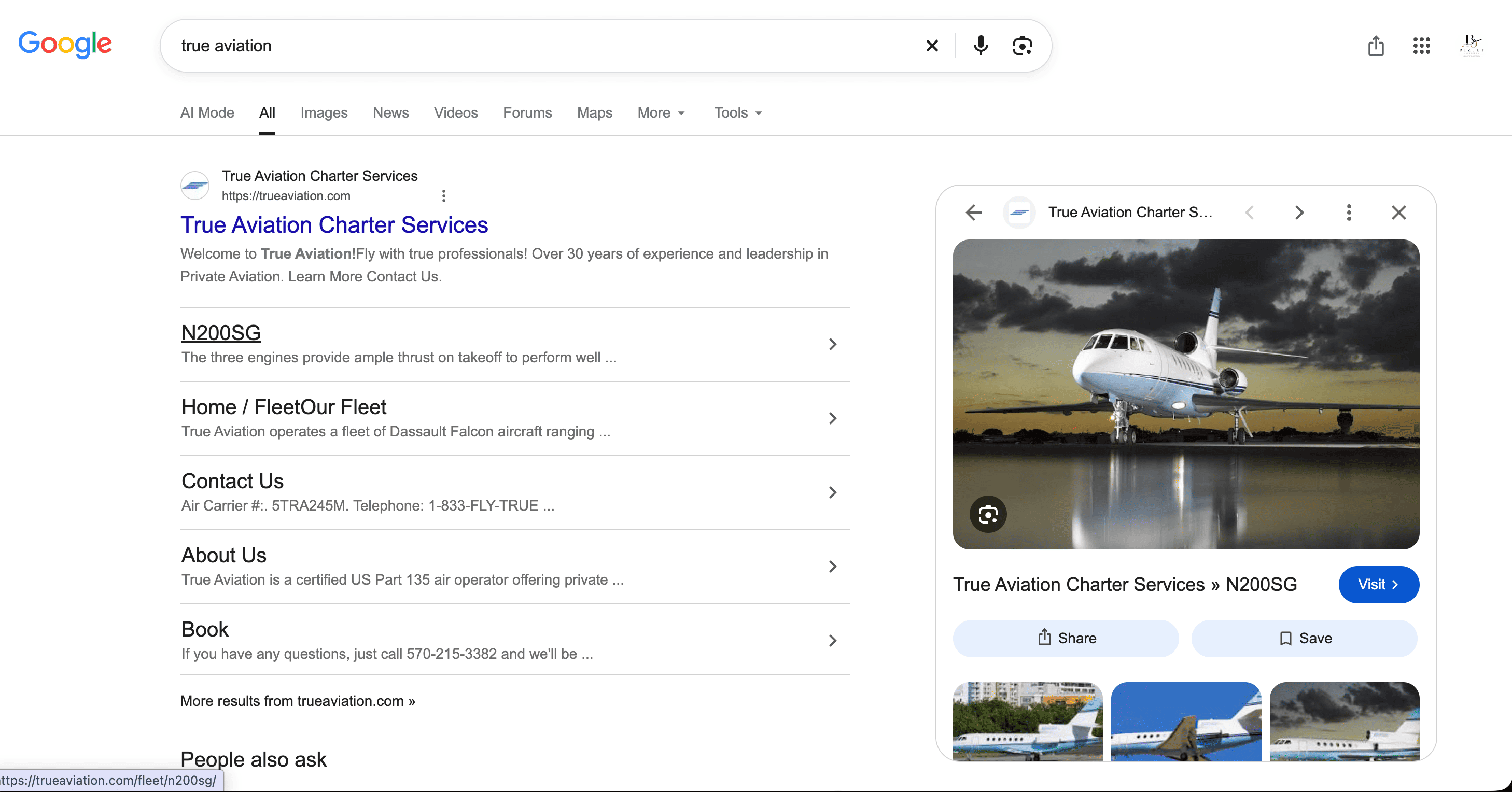
True Aviation Charter Services lists N200SG on its own fleet page. The operator advertises a 2022 refurbishment, a maximum of nine passengers and updated cabin amenities, including domestic Wi-Fi.
The earlier NTSB accident record
N200SG also appears in NTSB accident report ERA09CA122 for a ground collision at Asheville Regional Airport in North Carolina on November 24, 2008. The report identifies the same registration and serial number, with Ingles Markets Inc. listed as the owner and operator at the time.
The NTSB recorded substantial aircraft damage and no injuries to the five people aboard. Its final report says the aircraft rolled into a fence during the shutdown and securing process after landing. The board determined that the pilot released the parking brake without ensuring the wheels were properly secured.
The 2008 accident occurred after landing while the aircraft was being secured. No connection with the Las Vegas rejected takeoff has been established.
Falcon 50 history: how Dassault developed the three-engine jet
The Falcon 50’s origins go back to 1974, when demand for longer-range business aircraft prompted Dassault to begin design work. According to Dassault Aviation’s historical account, the aircraft first flew at Bordeaux-Mérignac on November 7, 1976, and secured certification on February 27, 1979.
Dassault designed it around a 3,400-nautical-mile mission with specified fuel reserves, allowing nonstop journeys across the North Atlantic or the United States. It became the Falcon family’s first transoceanic aircraft.
Its three Garrett TFE731 engines and supercritical wing were central to the design. The wing also influenced the later Falcon 900 and Falcon 2000, with modifications for those aircraft.
Dassault launched the upgraded Falcon 50EX on April 26, 1995. It first flew on April 10, 1996, introducing TFE731-40 engines and Collins Pro Line 4 avionics. The original Falcon 50 and the 50EX share a recognizable three-engine layout, but their specifications should be checked separately.
What caused the Las Vegas runway overrun?
As of October 19, 2026, a cause had not been established in the official information reviewed for this article. The FAA said it would investigate. The extent of the aircraft’s damage and the reason for the rejected takeoff remain unconfirmed.
The FAA describes a runway excursion as an aircraft leaving the runway surface during takeoff or landing, either beyond the end or off the side. The term describes where the aircraft went; it does not identify the failure or decision that led to the event.
The investigation will need to establish what happened during this departure.
Reporting note: Information is current to October 19, 2026, and incident details are preliminary. FAA comments about this event are attributed through KTNV’s reporting.