
Flying Private · analysis
Why People Fly Private: The Reality Behind Private Jet Travel
Private jet travel can offer time savings, airport access, privacy and control. The real value depends on the journey, the aircraft and the full cost, alongside operating limits and environmental impact.

People fly private to gain more control over their schedule, reach suitable airports closer to their destination, travel with greater privacy and make demanding itineraries easier to manage. Whether those benefits justify the cost depends on the journey.
That explanation rarely makes it into the photograph.
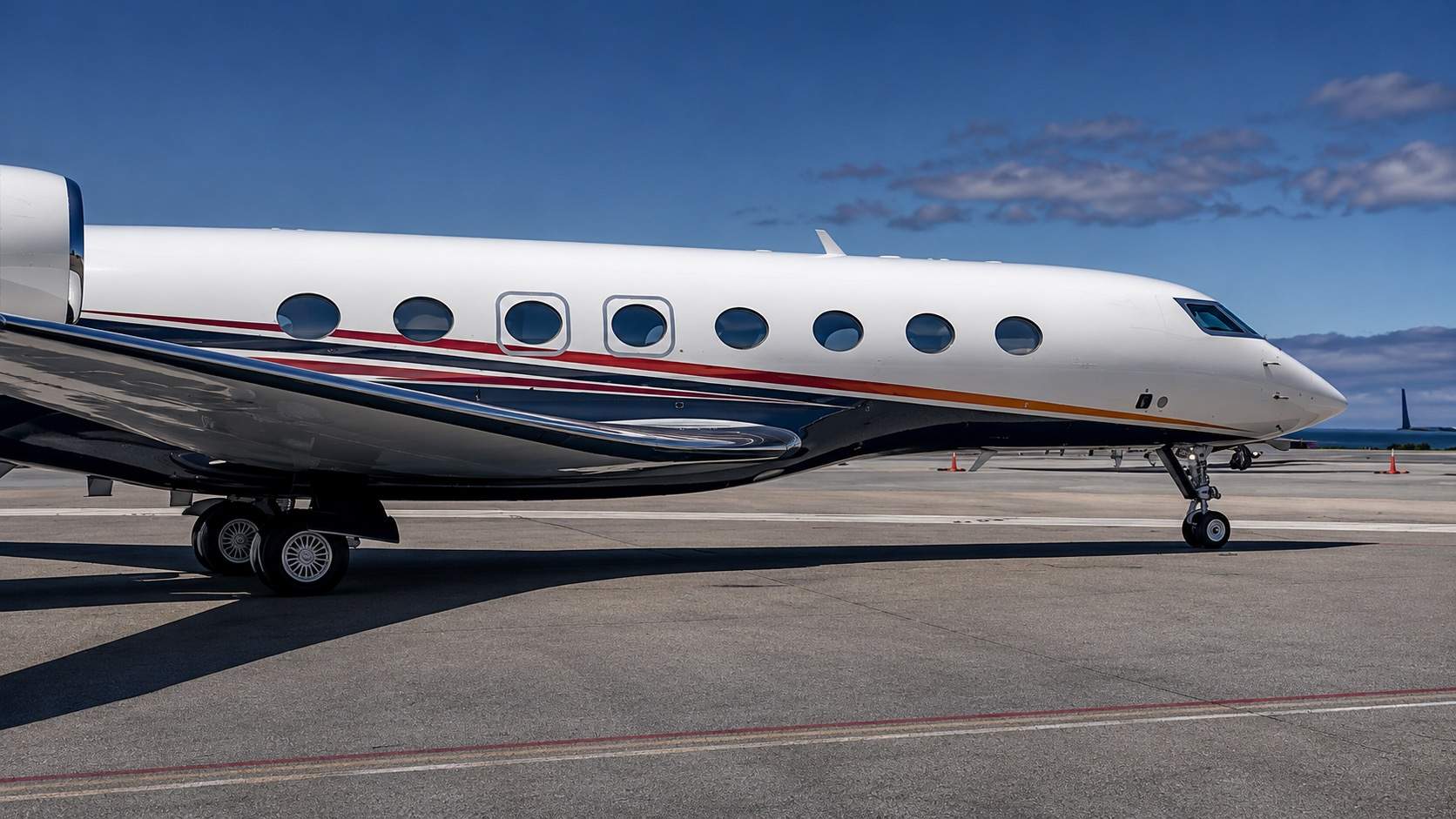
Spend enough time on Instagram and you could come away believing private jet travel exists almost entirely for champagne, designer luggage and pictures on aircraft stairs. The cabin is immaculate. Someone is stretched out beside an oversized window, apparently without a deadline or a financial concern in the world.
That version of private aviation exists. Luxury is part of the product, and pretending otherwise would be dishonest. But the picture tells you surprisingly little about why someone booked that flight or what the aircraft allows them to accomplish.
A photograph shows you the cabin. The itinerary often explains the purchase.
Why people fly private for business
Imagine a management team that needs to visit two manufacturing facilities, meet a potential acquisition target and return home the same evening. The locations are spread across different cities, with inconvenient airline connections between them.
This is an illustrative itinerary, but the problem is familiar: the work requires people to be in several places, while the airline timetable was designed around a much larger market.
Flying commercially might require connections, lengthy drives and overnight stays. Meetings have to fit around available departures. An appointment that runs late could affect everything that follows.
A suitable business aircraft can create a different set of possibilities. The team can arrange the journey around the work, subject to aircraft performance, airport access, weather and crew requirements.
The financial question then becomes broader than the difference between a charter quotation and several airline tickets. How many working days would the alternative consume? Which meetings would become impractical? How much time would the entire team spend travelling?
That does not automatically make the private flight worthwhile. It gives the company a useful basis for deciding.
Airport access can change the whole journey
One of the practical benefits of private jet travel is the ability to use suitable airports outside the scheduled airline network.
The United States has approximately 5,300 public-use airports, while airlines serve about 550. That wider airport network helps explain the appeal of business aircraft for regional facilities and communities with limited scheduled service.
A private jet cannot land at every airport on that list. Runway length, aircraft weight, weather, terrain and available services affect what is possible.
Still, an appropriate airport closer to a factory, regional office or project site can reduce a substantial amount of ground travel. A flight that appears expensive in isolation may solve a transport problem that an airline ticket only partly addresses.
Privacy and productivity have practical value
A team traveling together may use the cabin to prepare for a negotiation, review documents or discuss the previous meeting. A quieter, more private environment can make those conversations easier.
For some passengers, the opportunity to rest matters just as much. Arriving prepared and reasonably rested can be valuable when a demanding schedule continues immediately after landing.
None of that happens automatically because someone has booked a jet. Connectivity varies. Cabin layouts differ. Passengers can waste time aboard a private aircraft just as easily as anywhere else.
The aircraft provides an opportunity. How people use it determines part of the return.
Privacy has its own practical value. A business owner discussing an acquisition, a family traveling with a security team or a public figure managing unwanted attention may prefer a more controlled travel environment. Their requirements will differ, but discretion can be a legitimate part of the service they are purchasing.
The private jet cabin depends on the aircraft
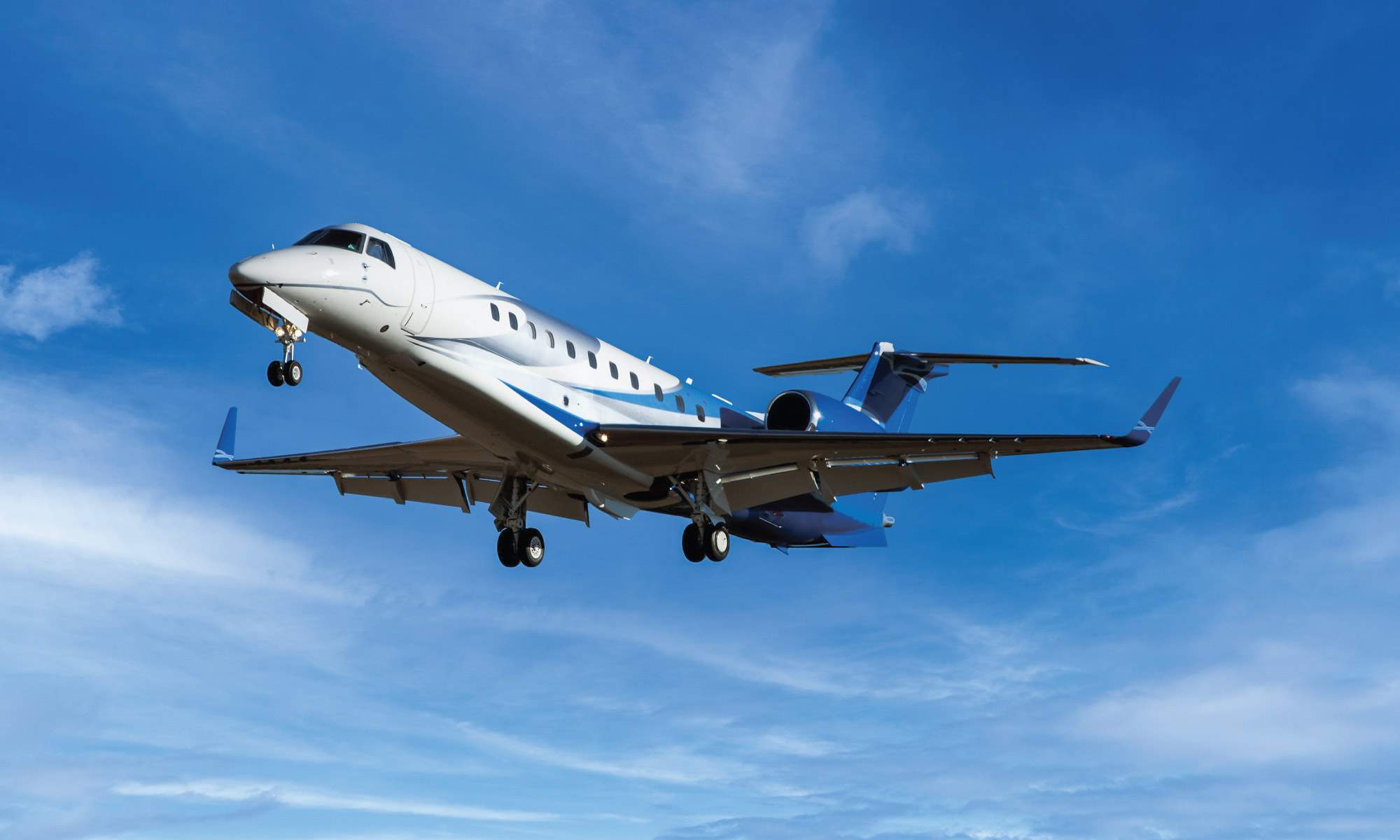
“Private jet” covers a broad range of aircraft. Cabin height, seating, baggage capacity, lavatory arrangements, connectivity and onboard service can differ considerably.
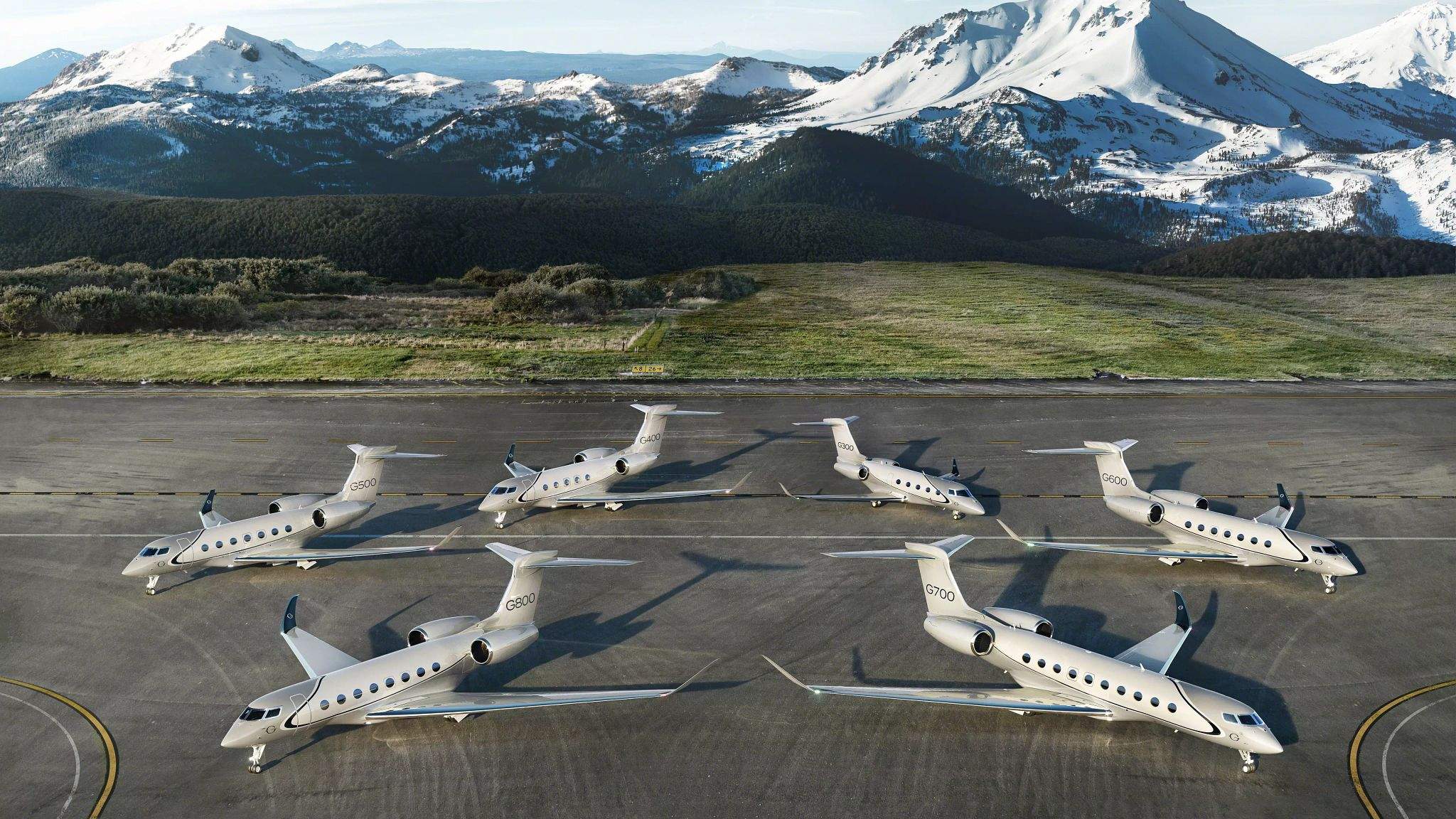
At one end, Gulfstream offers the G700 with configurations featuring up to five living areas and options including a suite with a shower. That is a very different proposition from a compact aircraft selected for a short regional journey.
A smaller cabin may be entirely appropriate for the mission. But a passenger expecting to walk around, enjoy a full meal and sleep in a separate bedroom could be disappointed.
A flight attendant, a particular Wi-Fi service or a preferred sleeping arrangement should be confirmed. Photographs of a similar aircraft are not enough to establish what the booked aircraft provides.
This is why matching a business jet to the actual mission matters. The useful questions concern the route, passenger group, luggage, cabin and operating conditions together.
Can private jets still be delayed?
Yes. Private aviation offers flexibility within the limits of the wider aviation system.
Passengers often use a dedicated business aviation terminal or fixed-base operator, which can make the departure experience simpler. Avoiding the main passenger terminal can remove a substantial amount of waiting and walking.
Security obligations still apply. In the United States, applicable charter operations must follow TSA security program requirements. The process depends on the operation; a different boarding experience should never be confused with an absence of security requirements.
Once ready to depart, the aircraft enters airspace shared with other users. Thunderstorms, congestion, runway restrictions and traffic management measures can affect private flights.
Technical faults and crew availability can also disrupt a trip. A replacement aircraft may be difficult to source, particularly when demand is high.
For me, this is where the quality of the operator and the people arranging the flight becomes especially important. Who explains the problem clearly? Who identifies realistic alternatives? What happens to the price if the aircraft or itinerary changes?
The people and companies behind a private flight contribute a great deal of work that passengers may barely notice until the plan changes.
The full cost of flying private
A charter quotation needs to be understood in the context of the complete itinerary.
Depending on the agreement, positioning, minimum charges, airport fees, de-icing, crew expenses, taxes and changes to the journey can affect the final bill. A low advertised hourly rate tells you relatively little without knowing how the trip will be priced.
Our guide to what private jet charter actually costs explains the main components. The comparison should use complete proposals with consistent assumptions.
Ownership introduces another layer. The purchase price is one part of a continuing financial commitment that can include crew, maintenance, insurance, hangarage, management, financing and capital tied up in the aircraft.
An owner may value availability and control enough to accept those costs. That does not establish that charter income will cover them. The full cost of private jet ownership deserves attention before the acquisition becomes the focus of the conversation.
Tax deductions also need care. Calling a flight a business expense does not make it free. A deduction generally reduces taxable income; it does not reimburse the entire expenditure. Eligibility depends on the jurisdiction, the applicable rules and the facts of the journey.
In the United States, IRS travel-expense guidance distinguishes qualifying business travel from personal travel and requires supporting records. The commercial justification should survive a serious cost discussion before someone introduces the phrase “write it off.”
When flying private is worth the premium
The case is strongest when the aircraft solves a meaningful problem: an awkward series of destinations, limited airline service, a time-sensitive schedule, a requirement for discretion or a group whose travel is difficult to coordinate.
The case can be weaker when a convenient nonstop airline service already fits the passenger's needs. A suitable premium cabin and an uncomplicated schedule may serve that journey perfectly well.
People also fly privately for holidays, family occasions and personal comfort. They may value traveling with children, keeping a group together or choosing a departure time that suits them. Those preferences can be part of the purchase without needing to invent a business transaction to justify it.
Private aviation's usefulness and its affordability are separate questions. A service can save time and still be too expensive for a particular traveller or company.
For someone considering their first trip, our first-time private aviation guide explains the available access models and booking process.
Environmental scrutiny is part of the reality
Private aviation consumes fuel and produces emissions. Its usefulness does not remove that impact, and dismissing every criticism as hostility towards wealthy travelers avoids the substance of the issue.
A study published in Communications Earth & Environment in 2024 estimated that the private aviation activity it examined produced at least 15.6 million tonnes of direct carbon dioxide emissions in 2023. That is a historical estimate with a defined research scope, rather than a measurement of today's emissions.
A credible industry can explain the value of its services while acknowledging their environmental cost. Claims about reductions also need evidence.
The glamour is easy to photograph. The operational work, costs and practical benefits take more effort to understand.
Before deciding what a private flight represents, I would want to know where the passengers needed to go, what alternatives they had, what the journey enabled and what it cost to make it happen.
Frequently asked questions about flying private
Why do people fly private?
People fly private for schedule flexibility, access to suitable airports closer to their destination, privacy and more manageable travel with colleagues or family. For business trips, the value can come from avoiding connections and completing several visits efficiently. Whether it is worthwhile depends on the itinerary and total cost.
Is flying private faster than flying commercially?
It can reduce total travel time by simplifying departure, avoiding airline connections and using an appropriate airport closer to the destination. The aircraft itself is not necessarily faster than an airliner. Compare the entire journey, including ground transfers, airport procedures, any fuel stops and likely operating restrictions.
Can a private jet be delayed or cancelled?
Yes. Weather, air traffic restrictions, runway conditions, technical faults and crew requirements can delay or cancel a private flight. An operator may arrange a different departure time, airport or aircraft, but the available options depend on the circumstances and booking agreement.
Do private jet passengers go through security?
Security requirements apply, although the process can differ from a main airline terminal. In the United States, applicable charter operations follow TSA-approved security programs, and requirements vary by operation. Passengers should follow their operator's instructions and confirm the required identification and departure arrangements.
Do all private jets have flight attendants and beds?
No. Cabin crew, sleeping arrangements, catering facilities and connectivity vary by aircraft, configuration and service agreement. Some large business jets provide separate living areas and beds, while smaller aircraft offer a more compact cabin. Confirm the amenities on the actual aircraft operating the flight.
Do you need to own a jet to fly private?
No. On-demand charter provides access to an aircraft for a particular trip. Jet cards, memberships and fractional programs offer other arrangements, each with its own pricing, availability and contractual terms. Whole ownership is one access model and brings continuing operating and capital costs.