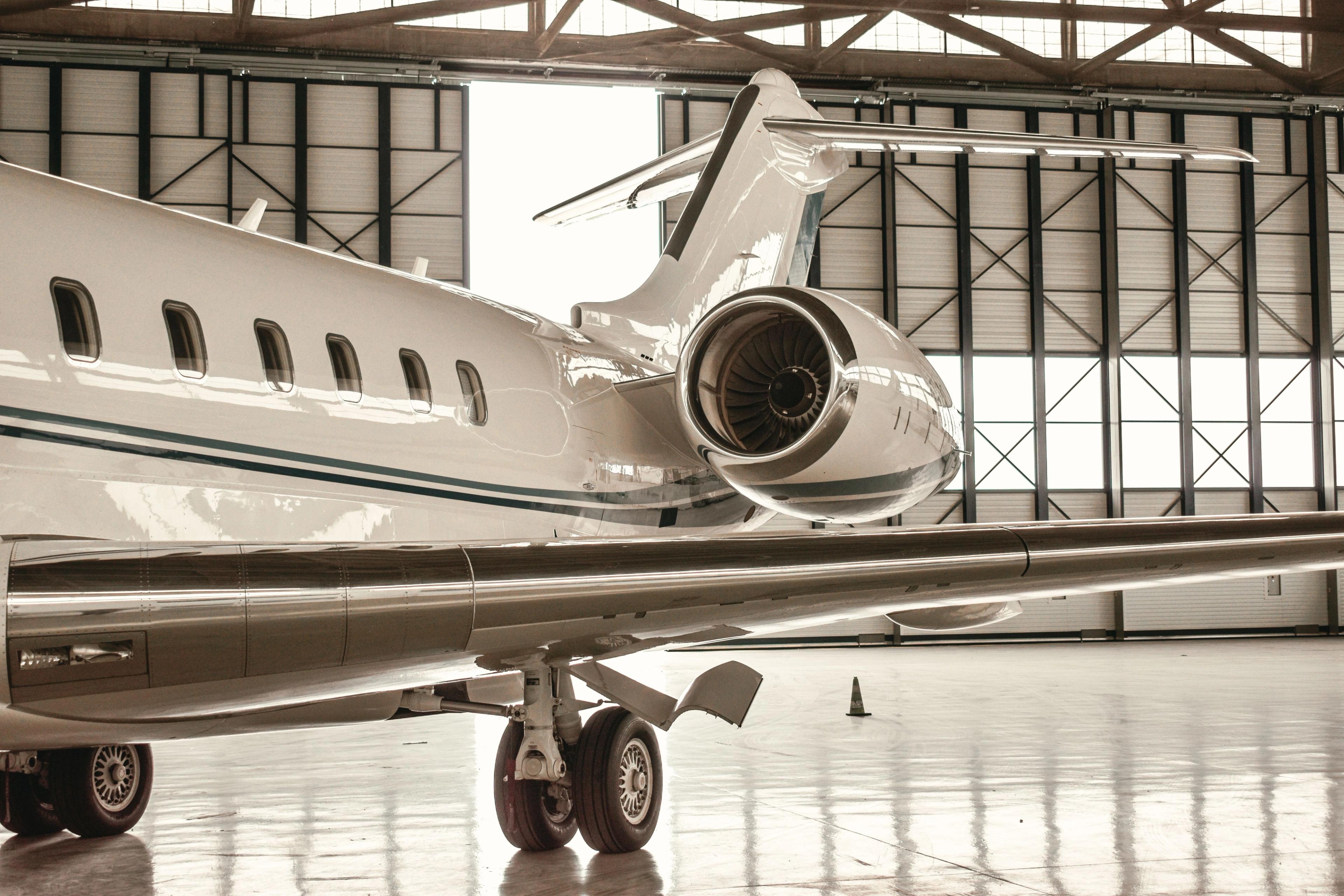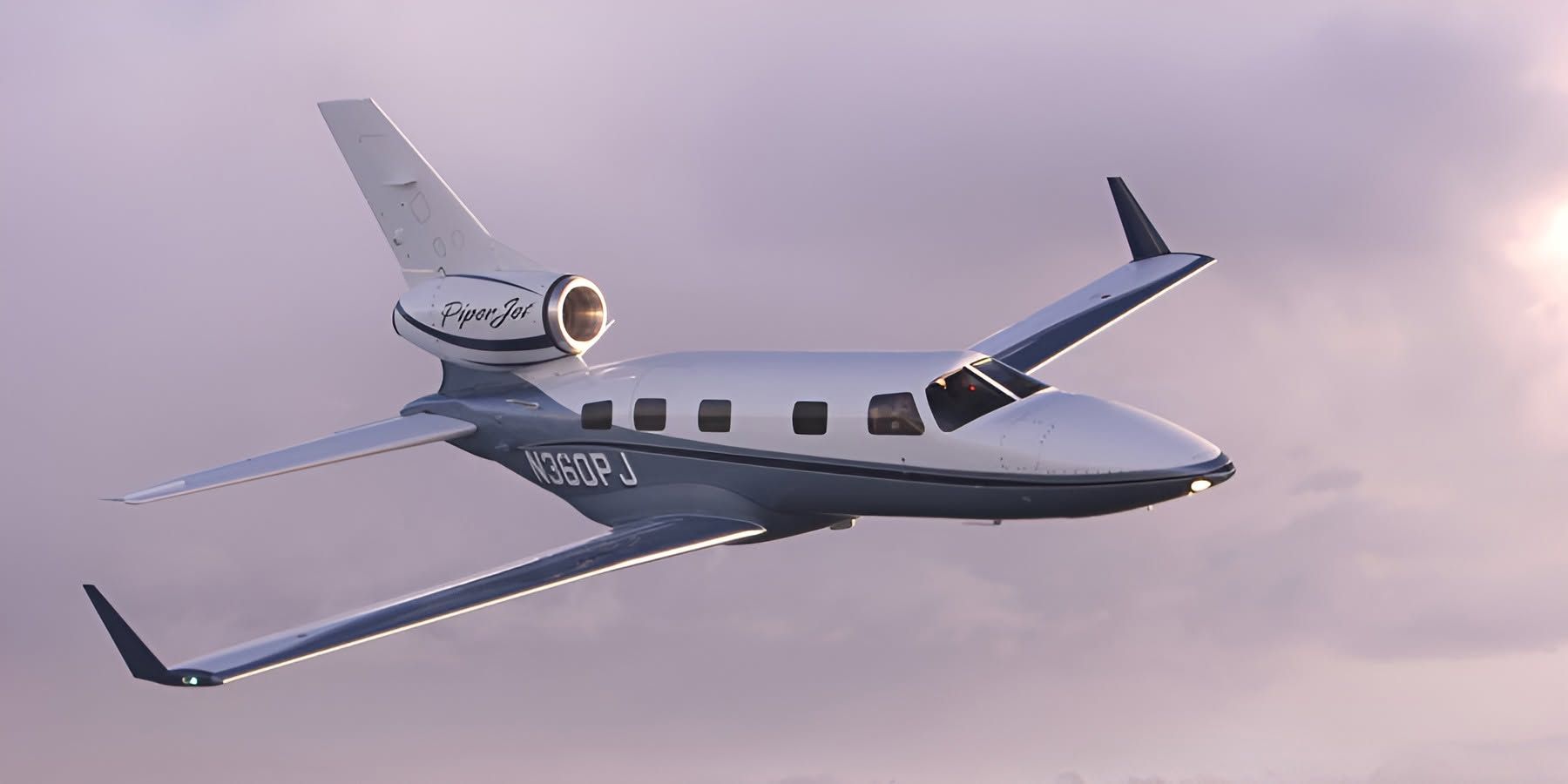


Chartering a private jet in 2026 can cost anywhere from a few thousand dollars for a short regional flight to well over $100,000 for a long-range international mission. The aircraft category matters, but it is only one part of the final price. Positioning, airport fees, crew logistics, taxes, daily minimums, seasonal demand and the exact itinerary can materially change what appears on a charter quote.
For planning purposes, current published U.S. charter rate cards place turboprops at roughly $2,300 to $3,500 per flight hour, light jets around $3,750 to $4,600, midsize jets around $4,700 to $5,500, super-midsize jets around $6,200 to $7,500, large jets around $8,500 to $10,000, and ultra-long-range aircraft around $12,000 to $17,000 per hour. VIP airliners can be as high as $25,000.
If you are new to the process, start with BizJet Journal’s Private Jet Charter Guide, which explains how to build a trip request, compare providers and select an aircraft. This article focuses specifically on what drives the price and how to read a charter quote.
Private Jet Charter Cost at a Glance
The table below is useful for budgeting, but it should not be treated as a universal price list. Published rates differ by operator, aircraft age, home base, region, fuel environment and what the provider includes in the headline rate.
| Aircraft category | Typical passengers | Indicative 2026 hourly rate | Common use |
|---|---|---|---|
| Turboprop | 4–8 | $2,300–$3,500 | Short regional trips |
| Very light jet | 3–6 | $2,900–$3,400 | Short trips for small groups |
| Light/super-light jet | 5–8 | $3,750–$4,600 | Regional business and leisure trips |
| Midsize jet | 7–9 | $4,700–$5,500 | Longer domestic missions |
| Super-midsize jet | 7–10 | $6,200–$7,500 | Coast-to-coast and longer regional missions |
| Large/heavy jet | 10–14 | $8,500–$10,000 | Transatlantic and large-cabin travel |
| Ultra-long-range jet | 12–19 | $12,000–$17,000 | Long nonstop intercontinental missions |
| VIP airliner | 18–50 | $18,000–$23,000+ | Large groups and bespoke VIP missions |
Why the Hourly Rate Is Not the Final Charter Price
A common mistake is to take an advertised hourly rate, multiply it by the scheduled flight time and assume the result is the total cost. Charter pricing rarely works that neatly.
A two-hour passenger flight may involve an aircraft that first has to fly empty to the departure airport. The crew may need to stay overnight. The arrival airport may charge high landing, handling or parking fees. A short trip can trigger a daily minimum. Winter weather can add de-icing. A holiday weekend or major event can tighten aircraft supply and increase pricing.
The most useful number is therefore the complete trip price under stated assumptions, not the aircraft’s headline hourly rate.
What Determines the Cost of Chartering a Private Jet?
1. Aircraft category and model
Aircraft choice is usually the largest pricing driver. A turboprop or light jet costs less to operate than a large-cabin intercontinental aircraft, but the smallest aircraft is not automatically the best value. Passenger count, baggage, runway length, weather, range, cabin needs and nonstop capability all matter.
Before choosing a category on price alone, use the BizJet Journal Aircraft Comparisons tool to compare range, cabin, passenger capacity and other published specifications side by side.
2. Flight time and routing
Longer flights generally cost more because the aircraft and crew are committed for more time and more fuel is consumed. Routing also matters. A nonstop flight on a larger aircraft can sometimes compete surprisingly well with a smaller aircraft that requires a fuel stop, additional handling and more total block time.
3. Repositioning or ferry flights
Private aircraft are not always waiting at the airport where the passenger wants to depart. If a suitable aircraft must fly empty to pick you up, that movement is called positioning or ferrying. Depending on the operator and market, some or all of that cost may be reflected in the quote.
This is one reason two brokers can quote noticeably different prices for the same itinerary: one may have access to an aircraft already nearby while another is pricing a longer repositioning sector.
4. One-way, same-day return or multi-day trip
Trip structure can change the economics substantially. A same-day return may allow the same aircraft and crew to wait and bring the passengers home. A return several days later may make it uneconomic for the aircraft to remain at the destination, so the operator may reposition it elsewhere and source another aircraft for the return.
That is why simply doubling a one-way price is not a reliable way to estimate a round trip.
5. Airport, FBO, landing and parking fees
Every airport has its own fee structure. Charges can depend on aircraft weight, parking duration, passenger facilities, ground handling and local demand. Busy business-aviation airports and event destinations can be particularly expensive.
For airport planning and business-aviation infrastructure, see BizJet Journal’s FBOs & Airports directory and confirm current operating requirements with the responsible airport, FBO or flight provider before departure.
6. Crew overnights and duty limitations
If a crew must remain away from base, the quote can include hotels, ground transportation and per-diem expenses. Longer missions may require augmented crews or schedule changes to comply with duty and rest requirements. These costs are particularly relevant on multi-day and intercontinental itineraries.
7. Taxes and government charges
Taxes vary by jurisdiction and route. In the United States, taxable domestic air transportation generally carries a 7.5% federal excise tax. For calendar year 2026, the IRS also lists a domestic segment tax of $5.30 per passenger per segment. International U.S. air transportation generally uses a separate per-person charge rather than the domestic percentage-tax structure for the international portion. Your provider should identify applicable taxes on the quote, and tax treatment should be confirmed for the actual itinerary.
8. Seasonality, events and short-notice demand
Aircraft availability can tighten around holidays, major sporting events, conferences, ski weekends and other concentrated travel periods. A route that is straightforward in a quiet week may become far more expensive when dozens of customers want similar aircraft at the same airports at the same time.
Booking early can improve the number of options available, but earlier does not guarantee the lowest price in every market. The best approach is to provide a complete itinerary and compare realistic aircraft that are actually positioned to perform the trip.
9. Catering, Wi-Fi, de-icing and special requests
Standard refreshments may be included, while premium catering, ground transportation, special cabin arrangements and other concierge services can be additional. High-speed connectivity may also be priced differently depending on the aircraft and provider.
De-icing deserves special attention because it is weather-dependent and can be difficult to predict in advance. A transparent quote or contract should explain how such as-incurred charges will be handled.
Example Private Jet Charter Prices for Popular Routes
Route estimates are useful only as planning benchmarks. The following examples are one-way starting prices from a charter broker’s 2026 rate guide; they are not BizJet Journal quotations and should not be interpreted as guaranteed fares.
| Route | Smaller suitable option | Larger option | Published planning range |
|---|---|---|---|
| Los Angeles – Las Vegas | Turboprop | Light jet | $7,500–$11,000 |
| New York – Miami | Light jet | Midsize jet | $17,000–$23,000 |
| New York – Los Angeles | Super-midsize | Ultra-long-range | $40,000–$62,000 |
| New York – London | Super-midsize | Ultra-long-range | $75,000–$100,000 |
The important lesson is not the exact number. It is the spread. Aircraft availability, category and positioning can move the cost of the same city pair by tens of thousands of dollars. Request a current quote for the exact dates, passenger count and airports you intend to use.
How to Compare Two Private Jet Charter Quotes
The cheapest headline number is not always the cheapest equivalent trip. Before choosing between proposals, make sure both quotes are describing the same service.
- Exact departure and arrival airports, including the FBO or terminal where known
- Aircraft category and, ideally, the proposed aircraft model
- Passenger count, baggage and any special loading requirements
- All positioning or ferry sectors
- Flight-time or daily-minimum assumptions
- Landing, handling, parking and crew expenses
- Taxes and government fees
- Catering, ground transport, Wi-Fi or other requested services
- How de-icing and other as-incurred charges are treated
- Cancellation, itinerary-change and aircraft-substitution terms
A lower quote may exclude items that another provider has already included. A more expensive proposal may use a newer aircraft, a more convenient airport, fewer positioning miles or stronger change and cancellation terms. Compare like with like.
Can You Reduce the Cost of a Private Jet Charter?
Use the smallest aircraft that safely fits the mission
Do not pay for unnecessary cabin or range, but do not force a mission into an aircraft that creates baggage, payload or fuel-stop problems. A well-matched light or midsize jet can be more economical than moving up a category simply for prestige.
Be flexible with airports and departure time
Changing to a nearby airport can reduce landing costs or make a locally based aircraft available. A few hours of schedule flexibility may also help the provider match your trip with an aircraft that is already in the right place.
Consider empty-leg opportunities carefully
An empty leg is an aircraft repositioning flight that would otherwise operate without paying passengers. When your route and timing happen to match, the price can be attractive. The trade-off is reliability: the empty leg exists because of another aircraft movement and can change if the underlying itinerary changes.
For an important meeting or a trip with little flexibility, treat an empty leg as an opportunity rather than the foundation of the travel plan.
Share the aircraft cost across a group
Traditional whole-aircraft charter is normally priced for the aircraft and itinerary, not as an airline-style fare per passenger. If six colleagues use a jet that would cost nearly the same with one passenger, the effective cost per traveler falls substantially. Passenger count still matters for aircraft suitability, weight, catering and taxes, but filling available seats can improve the economics for a group.
Compare access models if you fly frequently
Frequent flyers should compare on-demand charter with jet cards, fractional ownership and, at much higher levels of commitment, whole-aircraft ownership. The relevant question is not which model sounds cheapest in isolation, but which produces the best total cost and availability for your actual annual travel pattern.
Private Jet Charter vs. Commercial First Class
Commercial first or business class will usually be far less expensive for an individual passenger. Private charter solves a different problem. It can provide access to airports with limited airline service, enable multi-city schedules that are impractical on scheduled carriers, reduce connection time, keep a team together and give the customer more control over departure timing.
The economic comparison therefore depends on the journey. For one passenger flying between two major airline hubs, commercial premium travel will usually dominate on price. For a team visiting several poorly connected cities in one day, the value calculation may look very different.
What Should a First-Time Charter Customer Ask Before Paying?
Before transferring funds, request a written itinerary and contract that identifies the service being purchased. At minimum, confirm the aircraft or aircraft category, operating carrier, route, airports, total price, payment terms, included services, open or as-incurred charges, cancellation terms and what happens if the planned aircraft becomes unavailable.
First-time flyers can also use BizJet Journal’s Private Aviation 101 guide for a broader explanation of brokers, operators, safety questions, contracts, passenger manifests, FBOs and the departure process.
So, How Much Does It Really Cost to Charter a Private Jet?
As a 2026 planning range, charter can begin around $2,300 per flight hour for some turboprops and rise to roughly $12,000 to $17,000 per hour for ultra-long-range business jets, with VIP airliners reaching higher levels. The total trip price can be much larger once flight duration, positioning, airports, taxes, crew logistics and other mission-specific expenses are included.
That is why a private jet should be priced as an itinerary, not as a seat or a simple hourly-rate calculation. Two aircraft with similar hourly rates can produce very different final quotes if one requires repositioning, an overnight crew or an expensive airport.
For the buyer, the most useful approach is straightforward: provide the complete mission, compare genuinely equivalent aircraft and read the full quotation before deciding. The goal is not merely to find the lowest hourly rate. It is to understand what the complete journey costs and what is included in that price.
Frequently Asked Questions About Private Jet Charter Costs
How much is a private jet per hour?
Indicative 2026 charter rates start around $2,300 per hour for some turboprops. Light jets commonly sit in the roughly $3,750 to $4,600 range in current published U.S. pricing, while ultra-long-range jets can reach about $12,000 to $17,000 per hour. Actual prices depend on the aircraft, operator, route and availability.
Is private jet charter priced per person?
Usually no. Traditional charter is generally priced for the entire aircraft and itinerary rather than per seat. Passenger count still affects aircraft selection, baggage capability, catering and some taxes or fees.
How much does a private jet from New York to Miami cost?
A current 2026 broker rate guide publishes one-way starting examples of roughly $17,000 for a light jet, $20,000 for a super-light jet and $23,000 for a midsize jet. Treat these only as planning references; real quotes vary by date, airport, positioning and aircraft availability.
Why can two charter quotes for the same route be so different?
The aircraft may be starting from different locations, the providers may use different aircraft types, one quote may include more fees, or the crew and positioning requirements may differ. Contract terms and demand can also affect the price.
Are empty-leg flights always cheaper?
They can be discounted because the aircraft is already scheduled to reposition, but they are not guaranteed to fit your itinerary and can change if the underlying aircraft schedule changes. They are best suited to flexible travel.
Is a jet card cheaper than on-demand charter?
Not universally. A jet card may provide pricing rules and access benefits that are valuable to frequent flyers, while on-demand charter can offer more trip-by-trip flexibility. Compare the expected annual cost using your own routes, peak-day needs and aircraft requirements.
Does the charter price include taxes?
It depends on the quotation and jurisdiction. In the United States, taxable domestic charter generally involves a 7.5% federal excise tax plus the applicable per-passenger domestic segment tax. Ask the provider to show which taxes are included and which are additional.