

Flying Private · analysis
G-KGKG: The Story of Luxaviation UK’s Embraer Legacy 600
G-KGKG is Luxaviation UK’s Embraer Legacy 600. Explore its aircraft identity, charter history, cabin and range, and its place in Embraer’s Legacy family.

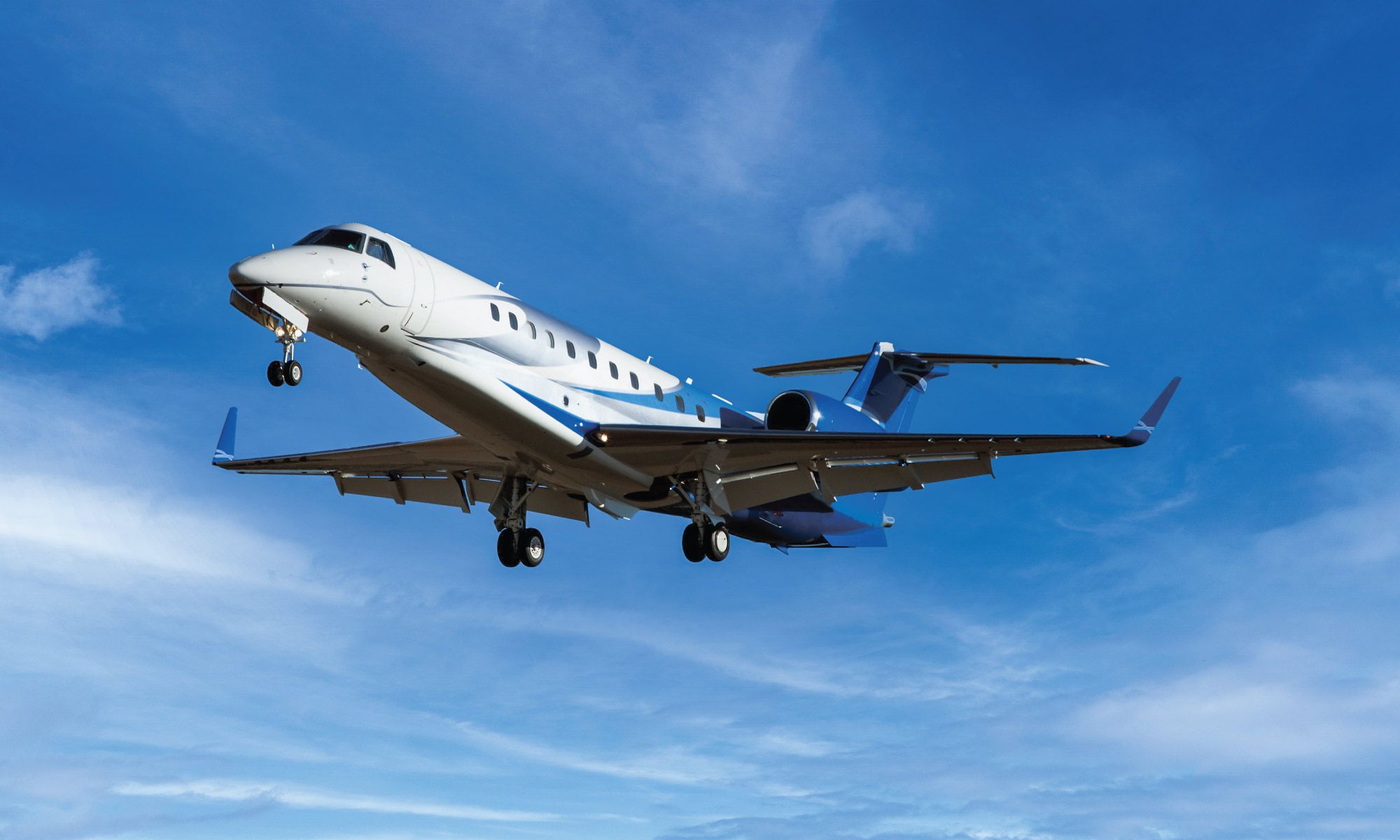
G-KGKG is a registration that is easy to remember. Behind the repeating letters is an Embraer EMB-135BJ Legacy 600 operated by Luxaviation UK: a spacious business jet from the aircraft family that helped establish Embraer in executive aviation.
The aircraft also offers a useful way into the Legacy story. Its background connects a Brazilian manufacturer, a UK operator and an international charter market in which cabin space and the ability to carry a group together can matter as much as the latest technology.
Meet G-KGKG
BizJet Journal’s G-KGKG aircraft database record identifies the aircraft as a 2007-built Embraer EMB-135BJ Legacy 600, with manufacturer serial number 14500986 and passenger capacity of 13.
Legacy 600 is the commercial model name; EMB-135BJ is the underlying aircraft designation. Both describe the aircraft in this profile, while the serial number identifies the individual airframe. That distinction is useful when following an aircraft through changes of registration or operator.
For passengers, the relevant detail is the combination of a substantial cabin and a layout accommodating a larger traveling party. For aviation enthusiasts, G-KGKG is a recognizable example of the original Legacy line, whose proportions still reveal its regional jet ancestry.
G-KGKG and Luxaviation UK
Luxaviation UK announced the addition of G-KGKG to its managed fleet in 2019. The announcement described an Istanbul-based aircraft available for charter with a full-time crew, seating up to 13 passengers alongside three crew members.
The operator linked the addition to demand for business and leisure travel involving Turkey and the Balkans, and to journeys between Europe and the Middle East. It was a specific role for a large-cabin aircraft: serving groups on international trips from a base connecting several important charter markets.
That history gives the aircraft more context than a registration and model listing alone. It also illustrates how aircraft management works across borders. A UK operator’s fleet can serve passengers and markets well beyond Britain. The Istanbul location describes the aircraft’s role in that historical announcement; current positioning and charter availability require a fresh check with the operator.
How Embraer created the Legacy 600
The Legacy 600 emerged from Embraer’s regional jet program, drawing on the ERJ 135 within the wider ERJ 145 family. Embraer brought the type into service in 2002, applying its experience with commercial aircraft to an executive aviation product.
In its 2009 annual filing, Embraer described the Legacy 600’s regional jet platform as a foundation for its business aviation offering. The company highlighted maintainability and operating experience among the qualities carried into the program.
The design’s ancestry explains its long fuselage, rear-mounted engines and distinctive proportions. Embraer used that platform to create an aircraft with an executive interior and a mission suited to private owners, corporate flight departments and charter operators.
This aircraft belongs to the original branch of the Legacy family. Its significance is partly historical: the aircraft represents the approach that gave Embraer an established business jet product before its later purpose-designed executive aircraft broadened the range.
A cabin built around separate spaces
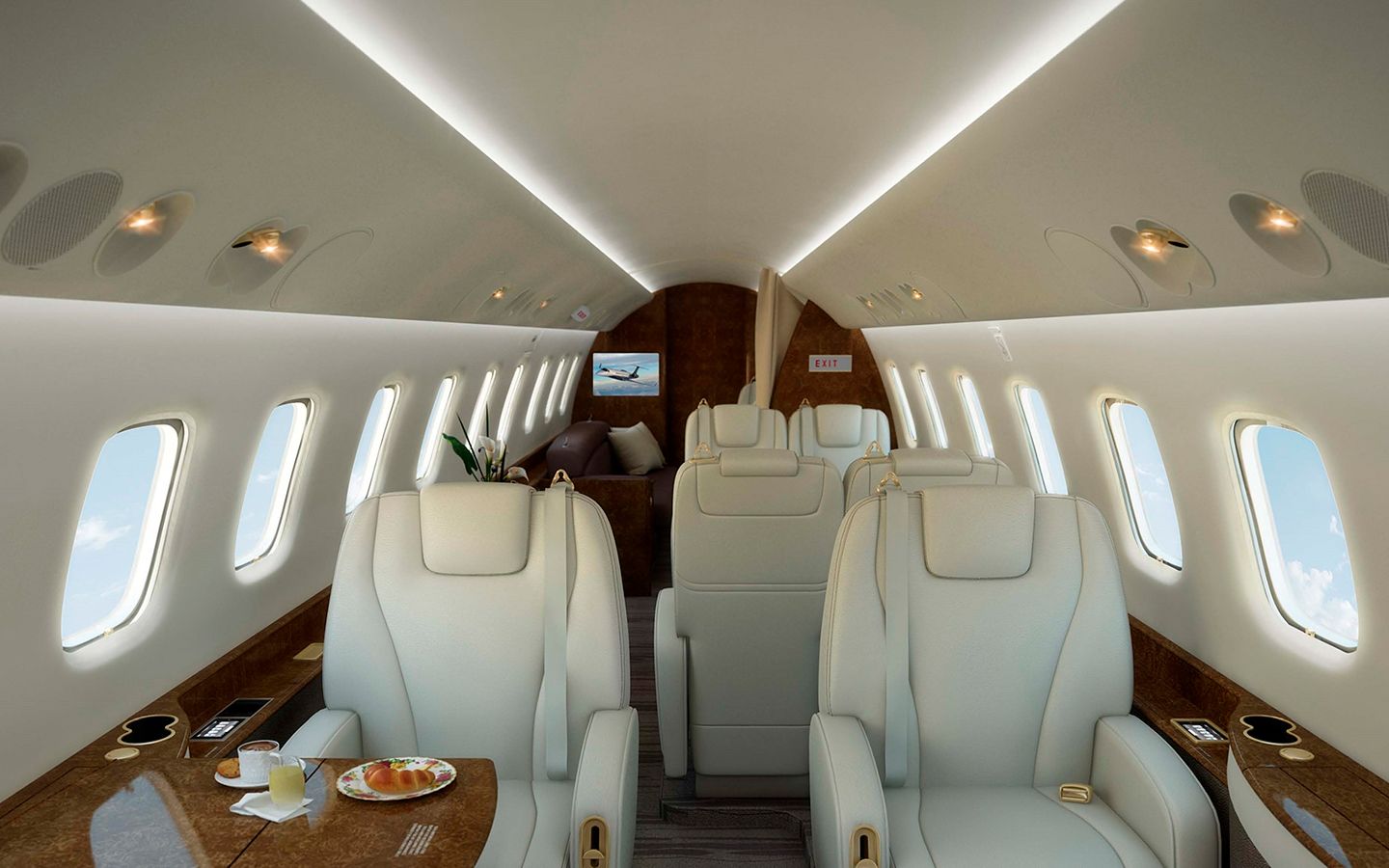
The Legacy 600’s cabin is central to its appeal. Embraer describes three distinct cabin zones, a wet galley and a baggage compartment accessible during flight.
Separate areas give a traveling group room for conversation, meals or rest. For a family or business delegation spending several hours aboard, that arrangement matters alongside the seat count.
G-KGKG is listed for up to 13 passengers. The model’s general cabin description explains its appeal, although the current seating plan, furnishings and equipment of this particular aircraft should be checked against its latest specification.
What the Legacy 600’s range figure means
Embraer figures gives the Legacy 600 a range of approximately 3,400 nautical miles, or 6,300 kilometres, with four passengers at long-range cruise and specified NBAA IFR reserves.
That four-passenger condition matters when considering an aircraft listed with 13 passenger places. Seating capacity and maximum advertised range describe different aspects of capability. A full passenger load, baggage, winds, runway conditions and reserve requirements affect the flight an operator can actually plan.
For a G-KGKG charter enquiry, start with the journey and passenger load. The operator can assess nonstop suitability, baggage requirements and the possible need for a fuel stop.
Legacy 600, 650 and 650E: the original family
Embraer developed the longer-range Legacy 650 from the Legacy 600 platform, extending the capability of the original large-cabin design. The later Legacy 650E added further flight deck and cabin improvements.
Embraer’s third-quarter 2017 report records delivery of the first Legacy 650E to Air Hamburg. The manufacturer listed a 3,900-nautical-mile range, standard synthetic vision and auto-throttle, and an updated three-zone interior among its features.
The shared heritage can make these aircraft look similar, but their specifications differ. G-KGKG is a Legacy 600, so the 650 or 650E’s advertised range and equipment should not be attributed to it. Identifying the precise variant is essential to understanding what an individual Legacy offers.
Legacy 450 and 500: a different design direction
The Legacy name also covered the 450 and 500, which followed a different engineering path. These were clean-sheet business jet designs rather than smaller versions of the regional jet-derived Legacy 600.
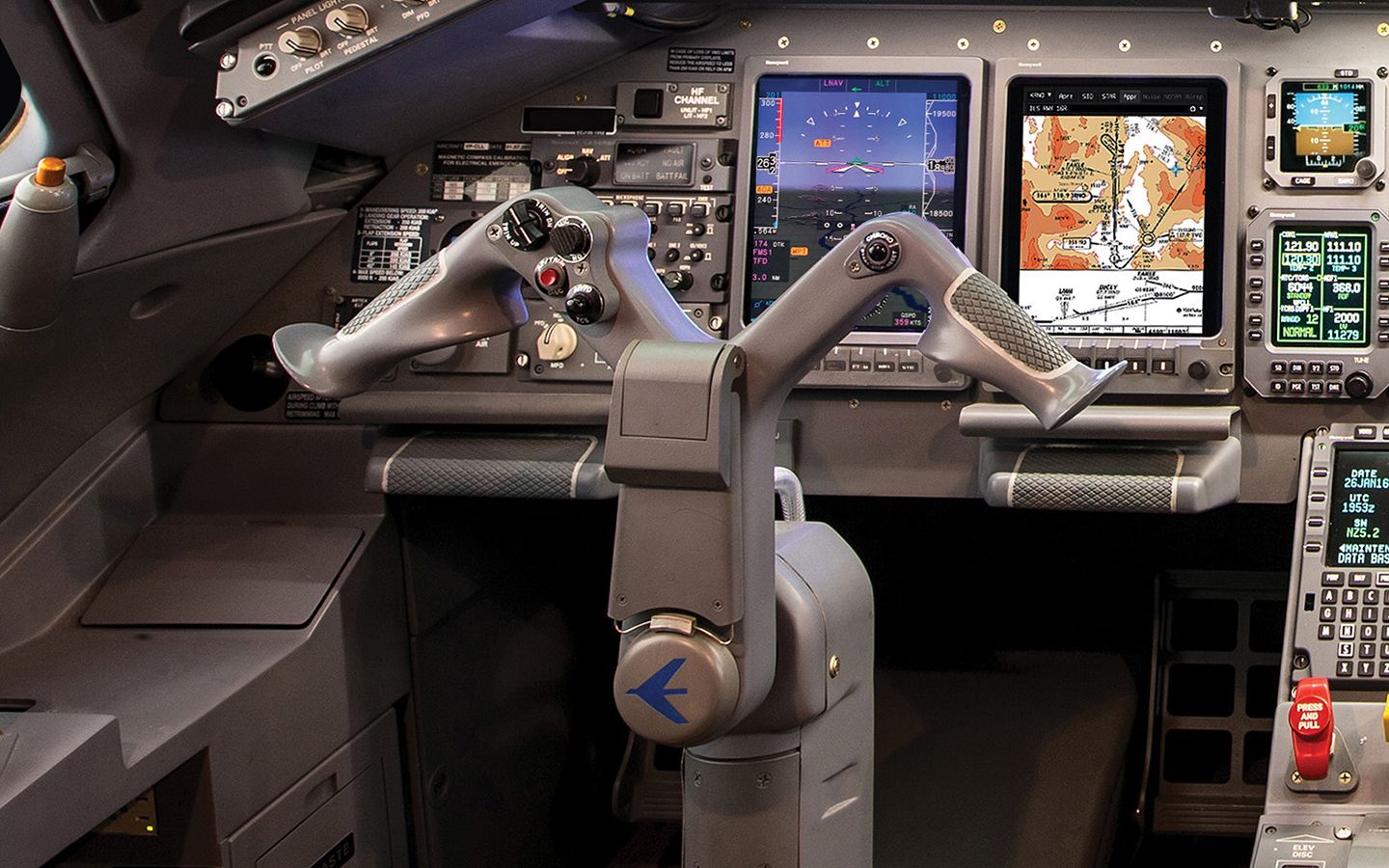
An Embraer release on Legacy 500 production in Melbourne identifies the Legacy 450 and 500 among the manufacturer’s purpose-designed executive aircraft. Their technology included fly-by-wire flight controls and Collins Pro Line Fusion avionics, documented in ANAC’s operational evaluation of the EMB-545 and EMB-550 families.
Those aircraft subsequently provided the basis for the Praetor line. Embraer identifies the Praetor 500 as the successor to the Legacy 450 and the Praetor 600 as the successor to the Legacy 500 in its 2021 annual filing.
The model numbers therefore need some care: a Praetor 600 and a Legacy 600 belong to different design families. G-KGKG sits in the earlier, regional jet-derived branch, alongside the Legacy 650 and 650E.
Why G-KGKG is worth a closer look
The interest extends beyond the memorable registration. Its documented charter history shows how Luxaviation UK positioned a Legacy 600 to serve international demand, while its design tells the story of Embraer’s early expansion into business aviation.
The aircraft brings that history into an individual profile: serial number 14500986, a 2007 build and a cabin listed for 13 passengers. It is a useful aircraft to know when exploring why the Legacy name became established, and how Embraer’s executive jet families evolved from there.