
eVTOL Updates · guide
eVTOL vs Helicopter: How the Aircraft and Passenger Experience Differ
Compare eVTOL aircraft and helicopters on propulsion, flight design, cabin space, noise, range, weather capability and the passenger journey.

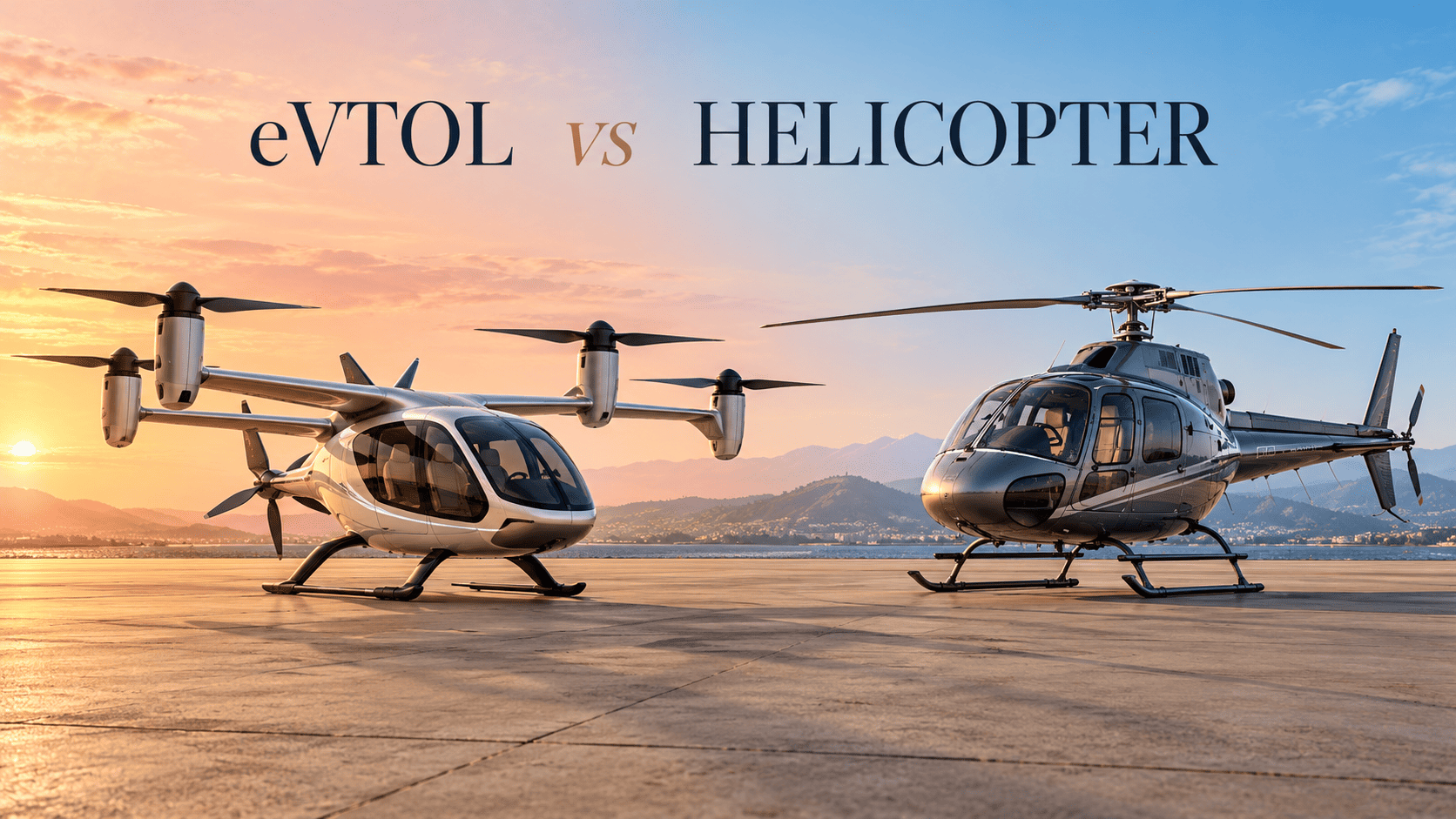
An eVTOL and a helicopter can both take off vertically, but that does not make them interchangeable. The useful comparison starts with the journey: how far you need to travel, how many people and bags are coming, what the weather allows and whether the aircraft and operator are approved for the proposed flight.
Electric vertical take-off and landing aircraft promise a different way to serve some short air journeys. Helicopters already perform a much wider range of work, from city transfers to offshore transport and rescue.
For passengers, the differences can be less about the shape outside the window and more about cabin capacity, dependable departures, baggage restrictions and what happens if the destination becomes unavailable.
What makes an aircraft an eVTOL?
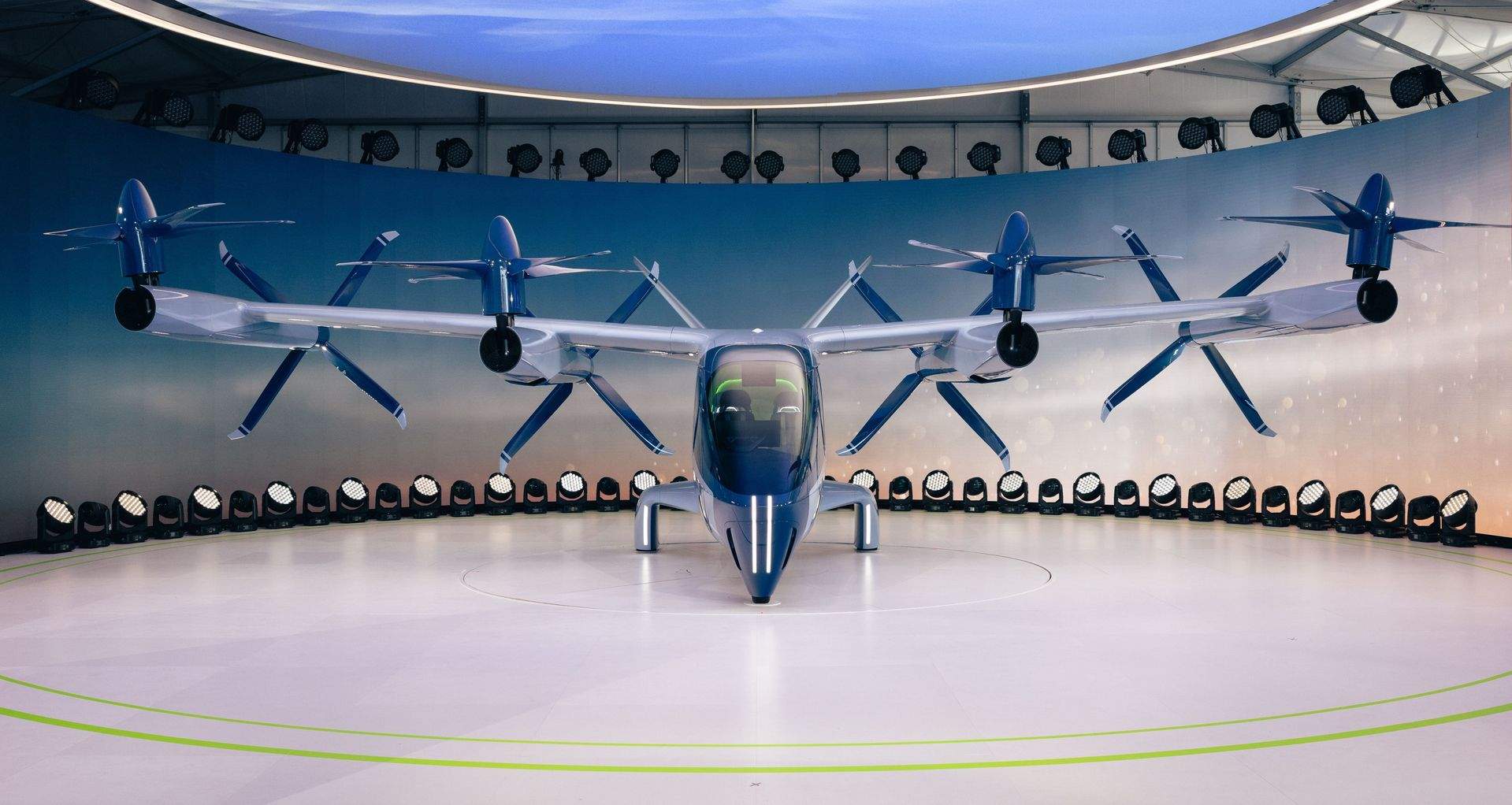
The term eVTOL describes electric propulsion combined with vertical take-off and landing capability. It is a broad description, rather than one standard aircraft layout. Some designs resemble large multi-rotor aircraft. Others use separate lifting and cruising propellers. Vectored-thrust designs change the direction of propulsion as the aircraft moves between vertical and forward flight.
A winged design may carry much of its weight on the wing during cruise. A multi-rotor can continue to rely on rotor thrust throughout the flight. That distinction affects energy use, speed and the missions the aircraft can reasonably serve. It also explains why a performance claim from one manufacturer should not become a description of the entire category.
The regulatory language is more specific than the marketing shorthand. The FAA’s advanced air mobility guidance describes separate work on aircraft certification, pilots, operations and infrastructure. Its powered-lift framework does not mean every vehicle described as an eVTOL has received approval to carry paying passengers.
How does the flying experience differ from a helicopter?
Most familiar civilian helicopters use a combustion engine or engines to turn the main rotor. Depending on the design, an eVTOL distributes electrically driven propulsors around the airframe. Passengers may experience a vertical climb followed by a transition into wing-borne forward flight, although that sequence does not apply to every eVTOL.
Several motors or rotors can allow designers to distribute loads and build redundancy into a system. Their presence alone does not establish that one aircraft is safer than another. The important questions concern the complete design: what failures it can tolerate, how its systems are separated, what procedures apply and what the certification process has demonstrated.
Passengers do not need to understand the engineering to ask a useful question: is this aircraft approved for this type of trip, with the operator and crew offering it? That is more informative than choosing between two unfamiliar designs based on the number of propellers.
What will passengers notice inside?
Cabin capacity needs a model-specific comparison. A small aircraft may offer good visibility and a comfortable individual seat while carrying much less luggage than a passenger expects from a private jet transfer.
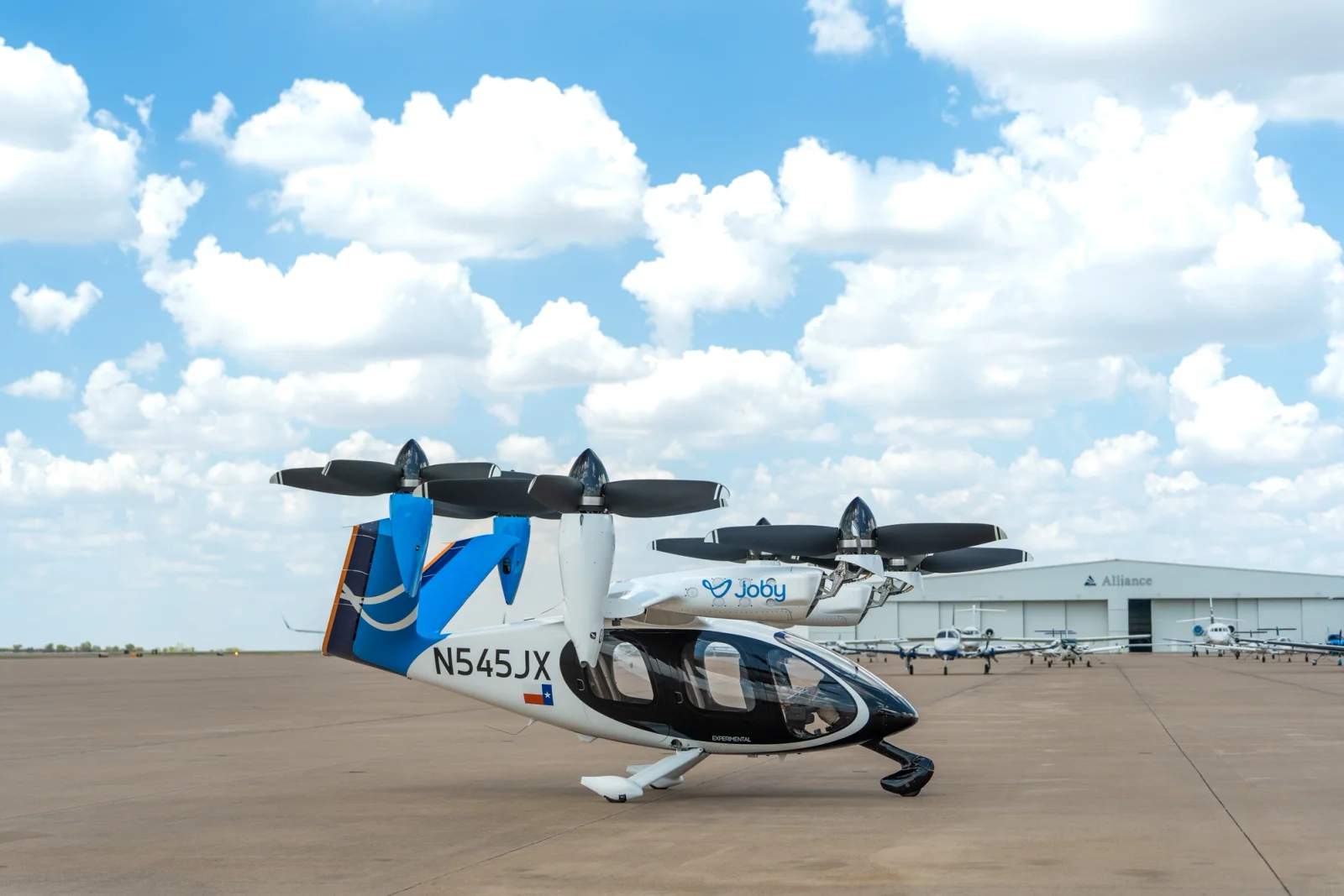
For example, Joby describes its aircraft around a pilot and four passengers. That is a description of that design, not an eVTOL-wide seating rule. The number of seats also does not answer how much baggage can travel with a fully occupied cabin.
Ask about the practical details before treating an air-taxi seat as a seamless extension of a long-haul flight. Can the aircraft take a full-size suitcase? Is baggage weighed? Are there restrictions on mobility equipment? How high is the step into the cabin, and what assistance is available? Will a passenger travelling with a young child need a particular approved restraint?
Noise and vibration inside also need an actual demonstration or credible test evidence. Headsets, cabin insulation, rotor operating speeds and seating position can all affect the experience. Electric propulsion does not, by itself, promise an aircraft cabin that feels like a quiet car.
Range is only one part of the mission
Advertised range is a starting point. A dispatchable journey must account for the load, weather, usable energy, required reserves and the possibility of going somewhere else. An aircraft that can demonstrate a long flight under test conditions may have a shorter useful passenger mission when those requirements are applied.
Battery energy also creates a planning issue on the ground. The operator has to manage state of charge, battery condition, temperature and the charging equipment available at each destination. The relevant turnaround time is the time required to prepare the next safe mission, rather than the shortest charging demonstration shown in a presentation.
Helicopters have their own payload, fuel, reserve and performance limits. A full fuel load can reduce useful payload; high temperature and high elevation can constrain a mission. Existing refueling arrangements can be an advantage, but they still need to exist at the intended location.
| Passenger question | What to establish for an eVTOL | What to establish for a helicopter |
|---|---|---|
| Will everyone and their bags fit? | Approved seating, weight limits and actual baggage provision | Installed cabin layout, baggage compartments and load limits |
| Can it complete the route? | Mission energy, reserves, weather and diversion provisions | Fuel, reserves, performance and diversion provisions |
| How soon can it fly again? | Charging, battery limits, inspections and boarding | Refuelling, inspections, servicing and boarding |
| Can it use the landing site? | Aircraft/site compatibility and operating permission | Aircraft/site compatibility and operating permission |
| Who will fly it? | The approved piloting arrangement for that service | The required qualified crew for that operation |
Will eVTOL aircraft be quieter?
Lower noise is a major part of the attraction, particularly where flights pass close to homes. A useful comparison needs the aircraft, flight phase, distance, measurement method and operating conditions. A quiet cruise measurement does not establish the sound experienced beside a landing site.
NASA’s flight testing with Joby collected acoustic as well as flight and communications data. Such work is useful because it examines an aircraft in defined scenarios. It is more informative than an unqualified statement that all electric aircraft are a certain percentage quieter than helicopters.
How often a sound occurs matters too. One flight can be acceptable to residents while a busy service using the same corridor becomes disruptive. Tone, repetition, background noise and time of day affect community experience. The EASA work on noise from vertical take-off and landing capable aircraft shows why environmental certification and noise assessment need to match the emerging designs.
Weather capability determines useful availability
The ability to take off vertically does not remove weather limitations. Wind, visibility, icing, cloud, turbulence and the conditions at the destination can all affect whether a flight is possible. Capability depends on the approved aircraft, installed equipment, crew qualifications and operating procedures.
For an airport transfer, reliability is particularly important. Saving time on a clear afternoon is useful, but a passenger connecting to an international departure also needs to understand the backup if the air leg cannot operate. A practical service should explain when a decision is made, how the passenger is informed and what happens to the onward journey.
The same questions belong in a helicopter booking. Some helicopters and operations have more extensive instrument-flight capability than others. A familiar aircraft category is not a guarantee that a particular flight will depart in poor weather.
Where could each aircraft fit?
Short, repeatable routes with known landing sites could suit some electric aircraft. Those conditions make it easier to plan charging, passenger handling and spare capacity. An airport-to-city link or a connection across difficult surface geography may therefore be more practical than an unrestricted “fly anywhere” service.
Helicopters serve missions that require a different combination of capabilities. Airbus lists passenger transport alongside aerial work and emergency missions for the H125. That variety is a reminder that a passenger air taxi is not a direct substitute for every helicopter operation.
Regional connections may use an entirely different aircraft layout, including an aeroplane that needs a runway. Our guide to urban versus regional air mobility explains why the transport problem should come before the choice of propulsion or take-off method.
Separate design promises from service approval
When comparing an emerging aircraft with a helicopter available for charter, check the evidence behind each statement. A manufacturer’s design page, a successful demonstration and an approved passenger service answer different questions.
| Evidence | What it can show | What it does not establish alone |
|---|---|---|
| Manufacturer specifications | The published design and intended performance | Approval for every advertised mission |
| Flight-test results | Performance under the documented test conditions | Routine service availability or all-weather capability |
| Aircraft type certification | Approval of the design against its certification basis | Every operator’s commercial authority |
| Operating approval and a bookable service | An authorised operation within its approved scope | Unrestricted routes, payloads or weather conditions |
The strongest passenger proposition is one that can explain the complete journey honestly: aircraft, approvals, baggage, timetable, landing sites and recovery.
Electric propulsion may change how some trips are delivered. The standard for judging the trip remains whether it meets the passenger’s needs within the aircraft’s actual capability.
Frequently asked questions
Are all eVTOLs autonomous?
No. Some designs include an onboard pilot, while others are being developed around remotely supervised or autonomous operation. The approved arrangement for the specific aircraft and service matters; “electric” does not describe who is responsible for flying it.
Do all eVTOLs have wings?
No. Multi-rotor designs can rely on rotor thrust throughout flight. Other layouts use wings during cruise. The configuration affects how the aircraft uses energy and which missions it can perform.
Can an eVTOL use any helipad?
No. Compatibility requires assessment of the site, aircraft dimensions and performance, clearances, safety provisions and applicable permissions. A helipad’s existence does not automatically authorize another aircraft type or a new passenger operation.
Does electric propulsion mean zero lifecycle emissions?
No. Battery-electric flight avoids onboard fuel combustion, but electricity generation, aircraft and battery production, maintenance and end-of-life treatment still have environmental effects. Compare defined lifecycle boundaries rather than applying a “zero-emission journey” label to the whole system.