
Separate trade-secret and patent disputes involving Joby, Archer Aviation and Vertical Aerospace are moving through U.S. courts and the International Trade Commission.
A Florida jury awarded Aerosonic nearly $116.9 million after finding Joby Aero breached a confidentiality agreement and misused aircraft-sensor trade secrets, Reuters reported on October 5.
The verdict adds to a series of legal proceedings involving developers of electric vertical takeoff and landing aircraft, or eVTOLs. In a separate California case, a September 29 ruling narrowed Joby’s claims against Archer Aviation while dismissing Archer’s amended counterclaims against Joby without permission to amend them again.
Joby disputes the Aerosonic verdict
Joby disputed the verdict and plans to pursue post-trial and appellate remedies, according to Reuters. The jury also rejected Joby’s counterclaim that Aerosonic supplied defective probes.
Aerosonic, founded in 1953, supplies aviation instrumentation, including air-data systems, sensors and probes, for civil, military and business aircraft. Its customers include manufacturers of fixed-wing aircraft and rotorcraft.
The Florida proceeding, Aerosonic LLC v. Joby Aero Inc., is case number 8:25-cv-00554 in the U.S. District Court for the Middle District of Florida.
That proceeding concerns a supplier’s technology. Joby’s lawsuit against Archer involves alleged misuse of confidential business information by a former employee, while Archer’s separate ITC patent complaint concerns alleged patent infringement.
Court narrows Joby’s lawsuit against Archer
Joby filed its lawsuit in November 2025 against Archer and former Joby employee George Kivork. In its SEC disclosures, Joby described allegations involving the acquisition, retention and use of confidential business information and trade secrets. The company requested damages and injunctive relief, among other remedies.
U.S. Magistrate Judge Susan van Keulen’s September 29 order allowed some claims to proceed while dismissing others. Surviving allegations included past trade-secret misappropriation associated with the Hawthorne Airport deal and threatened misappropriation of identified trade secrets. Certain contract-related claims also remained.
The same order dismissed Archer’s amended counterclaims in their entirety, without leave to amend. Those counterclaims alleged false advertising and unfair competition involving Joby’s representations to government agencies about its connections to China. The court found deficiencies in Archer’s allegations, including its failure to plausibly allege false statements that deceived the government.
Archer acknowledged both parts of the ruling in an October 2 SEC filing: the court narrowed claims against Archer and its employee, permitted other claims to continue, and dismissed Archer’s counterclaims under the Lanham Act and California’s Unfair Competition Law.
The order addressed the sufficiency of the parties’ pleadings. Allowing allegations to proceed does not establish liability, and dismissing counterclaims does not amount to a trial finding on every underlying assertion. The court scheduled a case-management conference for December 8.
Archer’s ITC patent case against Joby has a 2027 timetable
Archer is also pursuing a separate patent complaint at the U.S. International Trade Commission. The agency instituted investigation 337-TA-1499 on April 9, following Archer’s March 10 complaint and a subsequent supplement.
The investigation covers certain electric aircraft, aircraft power systems and related components. Archer alleges that imports and sales infringe its patents and seeks a limited exclusion order and cease-and-desist orders. Joby Aero and Joby Aviation are named as respondents.
The USITC expressly stated that opening the investigation did not represent a decision on the merits. Its process includes an evidentiary hearing before an administrative law judge, an initial determination and potential Commission review.
Joby’s second-quarter SEC filing described the complaint as involving five Archer patents. It listed an evidentiary hearing for January 2027, an initial determination expected on May 14, 2027, and a September 14, 2027 target date for the final Commission decision. Joby said it intends to defend against Archer’s claims.
Archer and Vertical dispute Valo aircraft patents
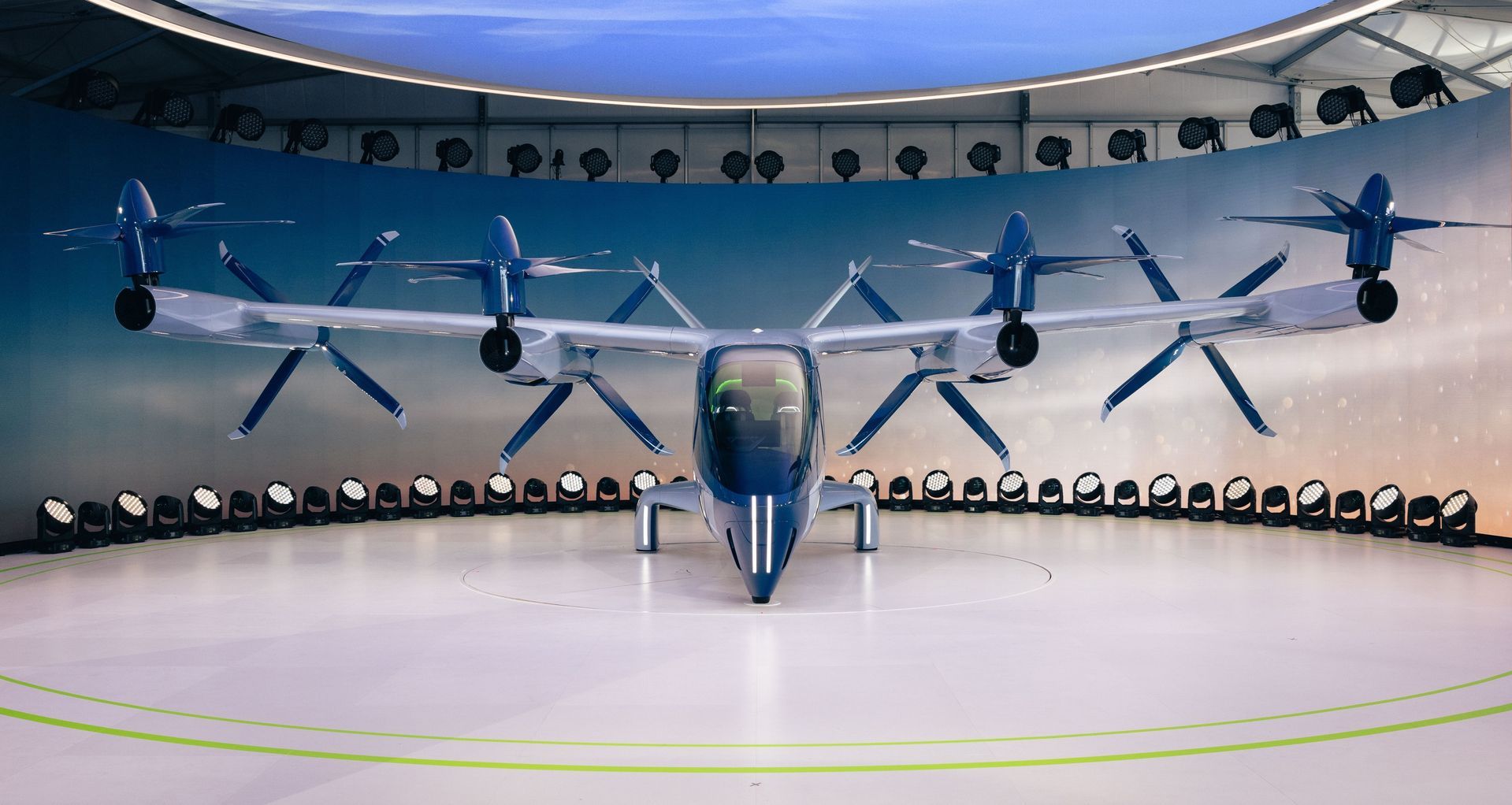
Archer filed another patent-infringement lawsuit on February 23 against Vertical Aerospace in the U.S. District Court for the Eastern District of Texas. According to Archer’s SEC disclosure, the complaint alleges that Vertical’s Valo eVTOL aircraft infringes multiple Archer patents relating to its Midnight aircraft.
Archer seeks an injunction and monetary damages. Its second-quarter filing records an amended complaint on June 12, a motion by Vertical to dismiss that complaint on July 10, and subsequent briefing through August 7.
Vertical rejected the allegations in a February 24 company statement, saying the claims lacked merit and that its aircraft architecture, technology and certification pathway had been developed independently. The company said it intended to defend the case vigorously.
From Wisk settlement to proposed Archer acquisition
The sector’s litigation history also includes Wisk Aero and Archer. In August 2023, Wisk, Archer and Boeing announced a settlement of federal and state litigation on undisclosed terms. They simultaneously announced a collaboration making Wisk the exclusive supplier of autonomy technology for future Archer aircraft variants.
Archer has subsequently agreed to acquire Boeing’s Wisk Aero, Insitu and SkyGrid subsidiaries. In a September 24 update, Archer said the U.S. antitrust waiting period expired on September 18, satisfying a condition for completing the transaction.
Other closing conditions and regulatory approvals remained outstanding in that update. Archer expected completion by the end of 2026, so the announcement described a pending transaction rather than a completed transfer of ownership.
Certification programmes continue alongside the legal cases
The litigation is unfolding alongside aircraft testing and certification work. The FAA’s framework treats aircraft certification, operator certification and pilot requirements as distinct parts of introducing powered-lift aircraft into service.
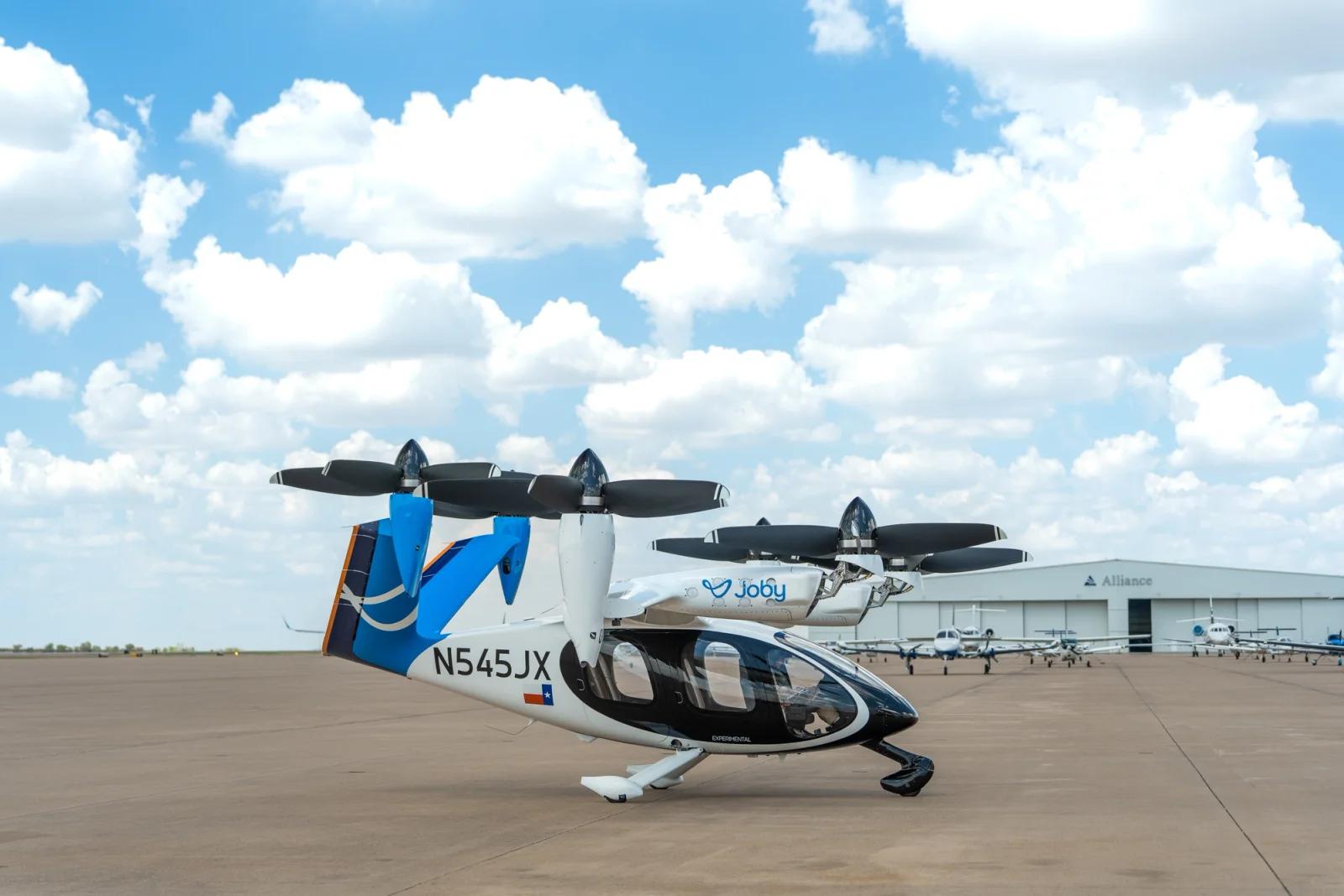
In a September 10 update, Joby said it was advancing through the fifth and final stage of its FAA type-certification process, supported by testing of conforming aircraft for Type Inspection Authorization. The announcement accompanied its launch of an eVTOL Integration Pilot Program flight campaign in Texas.
Archer said in May that Midnight had closed Phase 3 of the FAA’s four-phase type-certification process in April and that Phase 4 compliance work was progressing. Archer described that phase as demonstrating compliance through formal testing and analysis. Its announcement presented planned pilot-program operations as proceeding alongside continued work toward type certification.
Vertical’s September 25 manufacturing update set a different timetable. The company said it was targeting UK Civil Aviation Authority type certification for Valo in 2029, with assembly of its first certification-conforming aircraft expected to begin in the fourth quarter of 2027.