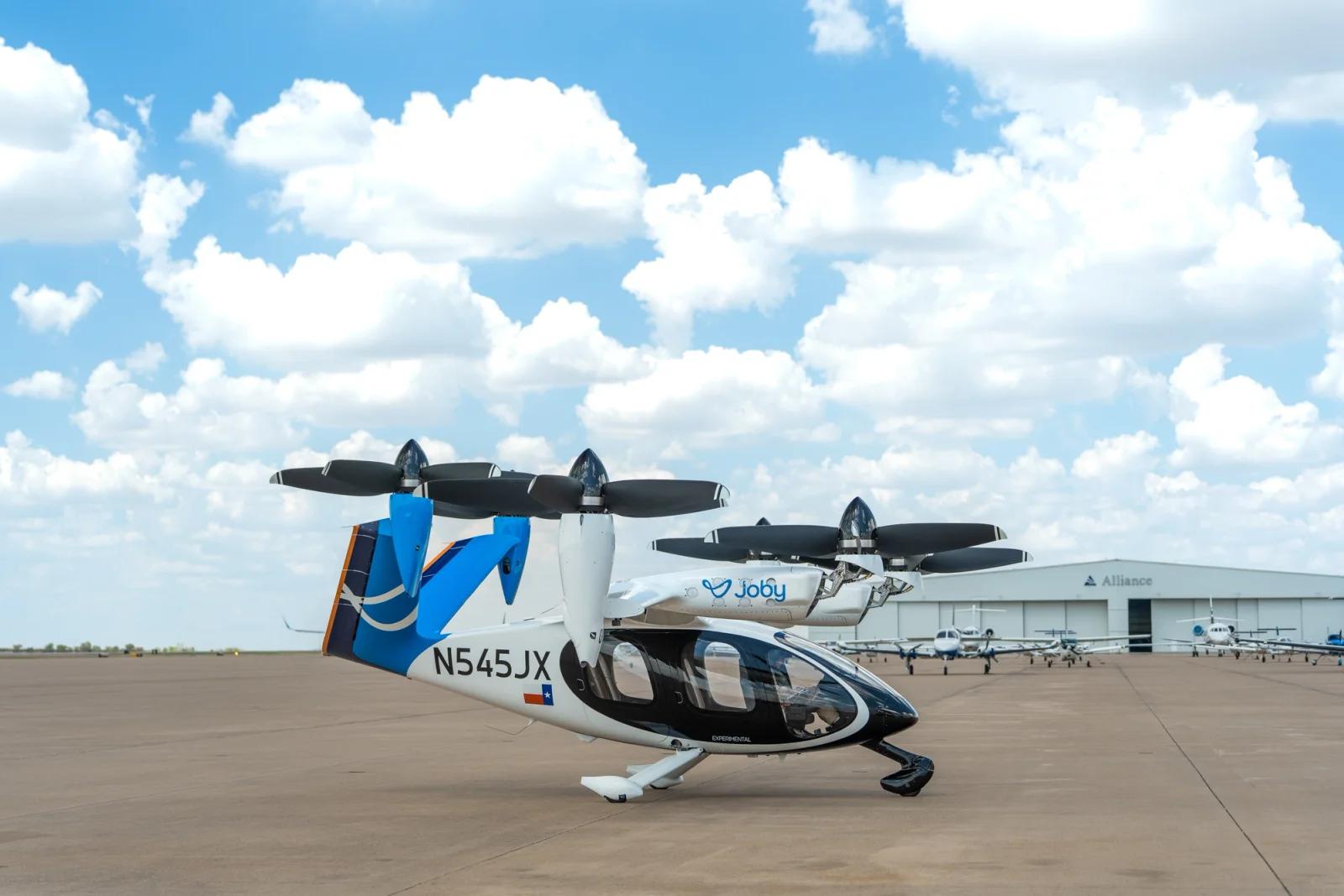


Advanced air mobility is often introduced through images of new aircraft. The aircraft is important, but a passenger service also needs places to operate, trained people, reliable support and a workable connection with ground transport. An airport or city considering a proposed network should assess that wider system before treating a route announcement as a complete travel solution.
The United States Department of Transportation's 2025 Advanced Air Mobility National Strategy provides a national policy reference for the subject. At the local level, the questions become more concrete: which journeys would be served, where passengers would board, how the facilities would operate and what evidence would justify further investment.
Start with a useful journey
Identify the customers and trips the proposed service intends to serve. An airport connection, a regional business journey and another transport use case create different requirements. Describe the complete journey from origin to final destination, including the ground segments. A short flight time is attractive only if the surrounding process also works for the intended traveller.
Compare the proposal with the alternatives those customers already use. Ask which part of the journey becomes easier, more dependable or more convenient. Consider baggage, group size, accessibility and the need to connect with another service. Keep the customer proposition specific enough that it can be tested, instead of assuming that every urban journey creates the same demand.
Evaluate sites as operating facilities
A proposed landing location needs more than an attractive map position. Its suitability depends on the aircraft, local setting, airspace and facility requirements. The FAA's Advanced Air Mobility infrastructure page describes vertiport guidance and the relationship with existing airport-development requirements. It also identifies the scope of Engineering Brief 105A rather than presenting it as a universal design standard for every conceivable aircraft.
A project team should obtain the appropriate technical and authority input for its proposal. Questions about access, servicing, passenger movement, emergency arrangements and surrounding uses belong in the assessment. If a site is described as secured, ask what that means: an agreement, a planning stage, a constructed facility or an operational approval. Those are different levels of readiness.
Connect the facility with ground transport
Passengers need a way to reach the site that is practical for their trip. Assess the walking route, vehicle access, public transport connections and pickup arrangements. Include the time between reaching the facility and boarding, then include the transfer at the destination. These details help establish the actual door-to-door proposition.
For an airport connection, clarify how travellers move between the new service and the existing terminal. Ask whether baggage remains with the passenger, whether another check or process is required and how missed connections are handled. A network should explain the handover between modes rather than treating the landing point as the passenger's final destination.
Consider the operating day, not one demonstration
A demonstration can show that a particular activity is possible under its test conditions. A passenger service needs a plan for repeated operations and ordinary interruptions. Ask how the proposed fleet is scheduled, how aircraft are supported between trips and how unavailable aircraft affect the timetable. Seek a clear description of the service that would actually be offered.
Weather is part of that discussion. Ask which conditions the proposed service is intended to support and what the passenger receives when a journey cannot operate. The operator and authorities must establish the applicable capabilities and permissions. A project assessment should preserve those conditions rather than converting a demonstration result into an assumption of unrestricted year-round service.
Plan the people and support functions
A travel network requires a workforce around the aircraft. Training, operational management, maintenance, passenger assistance and ground coordination need clear owners. Ask which functions would be delivered locally and which would be provided by the operator or another supplier. Establish what must be ready before service begins and how that readiness will be demonstrated.
For airport and FBO businesses, this is a practical way to assess participation. Identify the services your organisation could provide, the equipment and training those services would require and the commercial terms that would support them. A partnership should define responsibilities and interfaces, rather than relying on a general promise to support future operations.
Give community questions a clear place
People living or working near a proposed site will want to understand the activity being planned. Provide a clear description of the proposed operating hours, flight frequency and facility use, with the distinction between estimates and established facts retained. Explain how questions and complaints would be received and who would be responsible for responding.
Avoid promising an outcome that the available evidence cannot yet support. Community engagement is more useful when the project team can explain what is known, what is being assessed and how the proposal may change. Keep the local conversation connected to the technical assessment so that concerns about the site are considered while meaningful choices remain available.
Treat commercial commitments according to their terms
An agreement to explore a route is different from a funded operating commitment. An aircraft order, a site partnership and a passenger-sales plan should each be assessed on their own terms. Identify dependencies such as approvals, facility readiness and equipment availability. A clear project plan shows which organisation owns each dependency and what constitutes completion.
Test the business case against more than an optimistic launch scenario. Ask how utilisation, unavailable aircraft, seasonal demand and ground transport costs affect the proposition. These are planning questions for the participants, not predictions that every project will face the same result. The value comes from making assumptions visible before commitments depend on them.
Use milestones that describe readiness
Choose measures that show progress across the system: aircraft and operator readiness, site development, staff preparation, passenger process and support arrangements. Record the evidence and date for each. A network can progress in one area while still needing work in another, and the assessment should show that clearly.
For business aviation, advanced air mobility is most interesting where it could add a useful connection to existing travel. The strongest proposal explains the complete journey and the organisation required to deliver it repeatedly. Looking beyond the aircraft helps airports, operators and travellers assess that proposition with the detail it deserves.