Events Articles · guide
The Masters 2027 by Private Jet: Augusta Airports, Patron Badges and Complete Travel Planning
Augusta airports, patron access and a complete Masters trip.

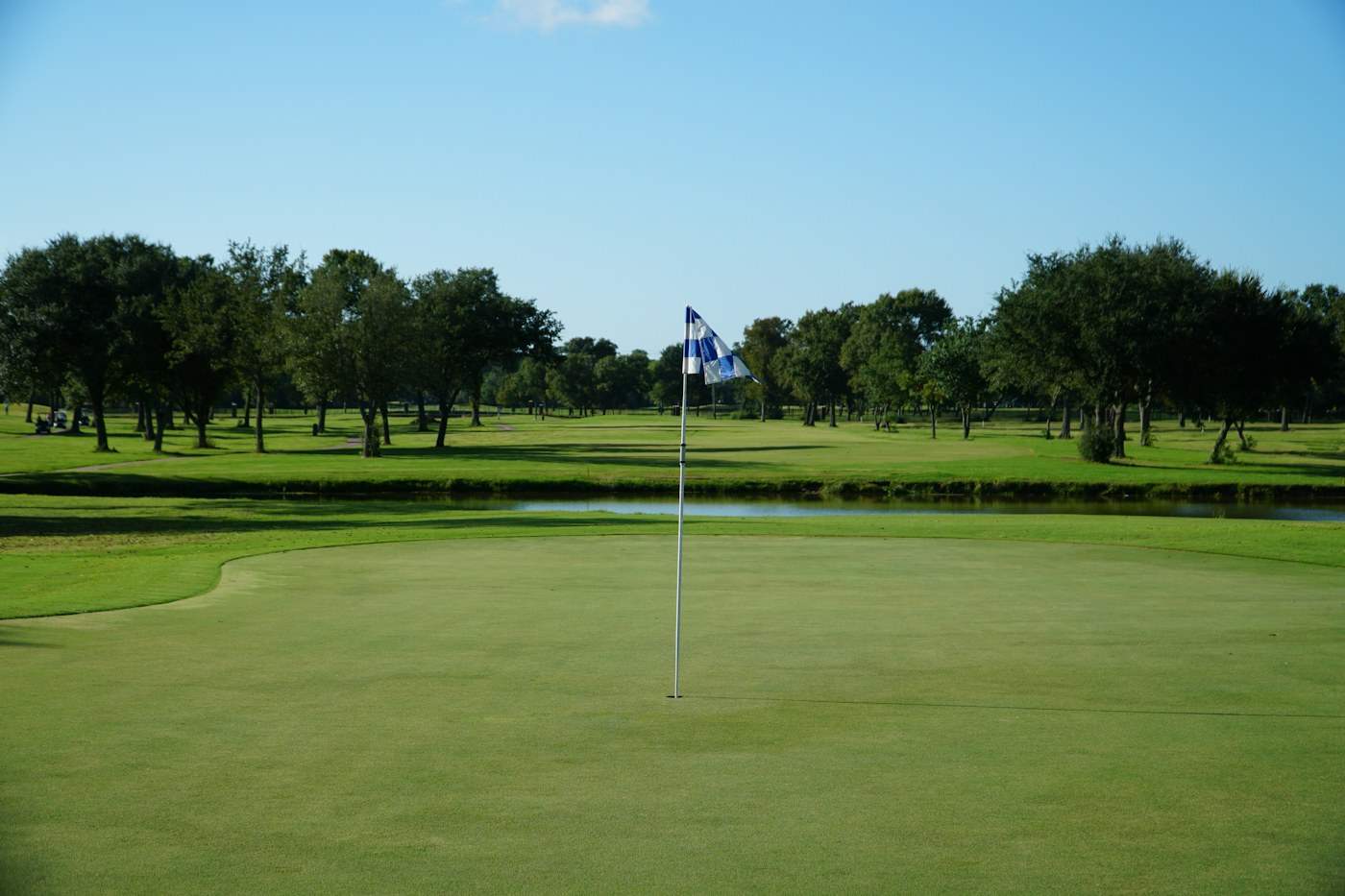
The Masters rewards a clear travel plan. A guest with one practice-day ticket, a patron attending the final round and a group hosting clients for several days have different priorities. Private aviation can give those travelers a shared cabin and a schedule built around the visit, while the badge, airport and final ground connection determine whether the day works comfortably.
The 2027 Masters week is 5–11 April. Practice days fall on Monday through Wednesday, with tournament rounds Thursday through Sunday. The official Masters website is the controlling reference for the schedule, ticketing and current patron information.
The two local airports to compare are Augusta Regional at Bush Field (AGS / KAGS) and Daniel Field (DNL / KDNL). Their runway environments and service arrangements differ, so the closest location on a map may not be the suitable choice for the proposed aircraft. This guide covers that comparison alongside badges, patron rules, transport, lodging, a sample itinerary and a transparent cost example.
The Masters 2027 at a glance
| Item | Planning detail |
|---|---|
| Full Masters week | 5–11 April 2027 |
| Practice days | Monday, 5 April to Wednesday, 7 April |
| Tournament rounds | Thursday, 8 April to Sunday, 11 April |
| Venue | Augusta National Golf Club, Augusta, Georgia |
| Airport comparison | AGS / KAGS and DNL / KDNL |
| Local time zone | Eastern Daylight Time, UTC−4 |
| Most important booking | The correct patron access for the intended day |
| Return-flight decision | Same evening versus a next-day departure |
A trip for Sunday’s final round has a different rhythm from a practice visit. The actual badge, the amount of play the traveler wants to see and the flexibility of the return should be agreed before the provider proposes an exact flight time.
Practice day, tournament day or a longer stay?
A practice-day visit can suit a traveler who wants to experience the grounds and spend time observing the course with a different pace from competitive rounds. Confirm the day and current patron rules before planning equipment or photography. The official patron information explains the applicable arrangements.
A tournament-day trip centers on play and the groups the guest hopes to follow. The tee-time schedule and weather can change the day’s shape. Leave room for the sporting program rather than treating a television window as the time everyone will be ready to leave the course.
For a longer stay, decide which days are actually covered by the access arranged. A four-night hotel booking does not establish four days of patron admission. Keep the badge and hospitality products listed by day so the group’s plans reflect the access it holds.
A client-hosting visit also needs time away from the course. A relaxed dinner or breakfast can support the relationship better than filling every spare hour with another commitment. Choose the lodging and vehicle routine around those gatherings, with a clear meeting point for guests who follow different players during the day.
Patron badges and hospitality: define the access
The official ticket route
Use the Masters’ official ticket information to understand the relevant application and purchase conditions. A provider offering accommodation or outside hospitality should explain exactly how the course admission is arranged and which day it covers. Review those details before an inflexible flight or lodging commitment.
For each guest, keep the date, ticket or badge entitlement and the seller’s written inclusions together. If the group has different days or products, identify that early. A broad weekend description is not enough to establish that everyone can enter the grounds at the same time.
Hospitality outside the grounds
An outside hospitality venue may provide meals, a comfortable meeting space or transport support. It should be assessed as its own product, with a location and service hours. Confirm whether a course badge is included or must be arranged separately.
Ask how the venue connects with the patron entrance and the post-play collection. A short distance still needs a workable route and enough time for access. Keep the driver’s contact and the host’s instructions available to all guests who may leave the course independently.
A clear group plan
If guests divide during the day, agree a meeting point and the latest time at which the group will regroup. The Masters’ phone restrictions make that preparation especially valuable. A plan arranged beforehand reduces reliance on messages that the guests may be unable to receive inside the grounds.
Augusta Regional or Daniel Field?
| Airport code | Longest paved runway reported in the directory | Planning role |
|---|---|---|
| AGS / KAGS | 2,439 m | Principal regional gateway for a broad aircraft comparison |
| DNL / KDNL | 1,220 m | Closer local alternative for suitable aircraft |
The runway figures are reference context. Current declared distances, operating conditions, aircraft performance and accepted services govern the proposed flight. Review the Augusta Regional profile and Daniel Field profile with the operator’s mission assessment.
Augusta Regional at Bush Field
Augusta Regional Airport is the natural starting comparison for many jet itineraries. Ask the provider to identify the handling facility, accepted arrival and parking duration. The airport’s own website is a primary reference for current airport and general aviation information.
The passenger collection point should be the named FBO or private handling location, rather than the airline terminal by default. Give that information to the driver along with the guest list, baggage and intended course or hotel destination.
For international travelers, request the actual passenger-clearance arrangements applicable to the operation. A proposed arrival should show how the flight and formalities fit together. The handling team can also explain fuel, parking and return preparation for a multi-day visit.
Daniel Field
Daniel Field offers a closer local location to consider for an appropriate aircraft. Its shorter runway environment makes aircraft and payload assessment especially important. The provider should explain the suitability of the proposed flight, including the return load and conditions.
Compare the services and parking reservation actually offered. The airport’s geographical convenience can be useful when the aircraft and operating plan support it. It should not be promised for every private jet simply because it appears near Augusta National on a map.
If a quote proposes a change of aircraft or airport for the return, make that part of the comparison from the start. The group should know whether it keeps the same aircraft, where the crew is based and how a delayed round affects the departure.

Event-period airport reservations and aircraft parking
Ask the FBO for the current Masters-period reservation process, handling plan and applicable fees. Concentrated spectator arrival schedules can make the parking question important even for a short trip. A requested arrival and a confirmed multi-day stay are different arrangements.
Have the operator check the applicable FAA notices, NOTAMs and local procedures for the actual 2027 operation. Previous years can provide useful context, but their timing windows and fees should not be carried forward as confirmed requirements. Use the FAA’s current domestic notices as part of the provider’s preparation.
If the aircraft repositions, obtain the parking location, return timing and cost. Ask who monitors the play schedule and what happens if the passengers want to stay longer. A nominally flexible private flight remains dependent on the crew, aircraft and accepted airport arrangements.
Keep the return reservation in the original plan. Departure is not simply the reverse of arrival when many guests want to leave after the same round. The FBO and operator should explain the accepted process and the timing margin the passengers need.
Ground transfers and course access
As broad editorial planning allowances in ordinary traffic, consider around 20–40 minutes from Augusta Regional and 10–25 minutes from Daniel Field to the course area. Tournament traffic, the approved entrance and security can extend the journey. Have the selected provider establish the actual route for the ticketed day.
The driver needs the current patron or hospitality entrance, the hotel address and an agreed post-play collection point. Include time beyond the car journey for walking and entry. A premium vehicle can simplify coordination, but it does not remove spectator queues.
For a same-day visit, decide where luggage remains and whether the vehicle waits. A group arriving with cases, golf equipment or other belongings should not discover that the car has no agreed storage or that the baggage cannot accompany the course visit. Keep airport and course baggage arrangements separate.
Treat a proposed helicopter transfer as a separate operation requiring an authorized provider, approved landing site and complete onward journey. A badge or hospitality purchase does not establish a landing at Augusta National. Compare the real door-to-gate trip with the chauffeur plan.
The patron rules that change the travel plan
The Masters’ prohibited-items information identifies cell phones among the items that cannot be brought onto the grounds. It distinguishes personal-camera arrangements for practice days from tournament rounds, when cameras are prohibited. Recheck the current rule before packing for the specific day.
Those restrictions should shape the pickup plan. Agree the meeting place and timing before entering, and make sure each traveler has the contact and directions needed outside the grounds. Keep the important information available in a format that works without using a phone during the visit.
Check the permitted bag size and other current patron conditions directly with the club. A small day bag may be appropriate where a larger case is not. Arrange storage at the hotel, hospitality venue or vehicle before approaching the entrance.
For guests needing mobility support, use the club’s current instructions and tell the transport provider in advance. An airport-to-course estimate is incomplete if it does not account for the guest’s actual path through arrival and entry.
Accommodation: local hotel, private house or a wider base
A local Augusta stay can reduce repeated driving and support a relaxed course day. Compare the property’s actual location with the patron entrance and outside hospitality, rather than choosing solely from the distance to the club’s postal address. The daily pickup routine matters for a multi-day visit.
A private home can suit a group wanting shared living space and a place to gather after play. Verify the bedrooms, bathrooms, staffing, cleaning, parking and any meal or vehicle arrangements. A house is a different service product from a hotel, even when both offer the same number of beds.
A property farther from Augusta may provide different availability or a quieter setting, with a longer daily journey. Assess that repeated travel across the days covered by the badges. A longer base can work for a broader holiday, but it can be inconvenient for an early course arrival and late departure.
Request nights, room or house category, minimum stay, deposits, taxes and cancellation terms in writing. For a same-evening flight home, discuss the last day’s luggage storage and where guests can regroup. A comfortable base until departure can be valuable after a full day outdoors.
Aircraft choice and the travel brief
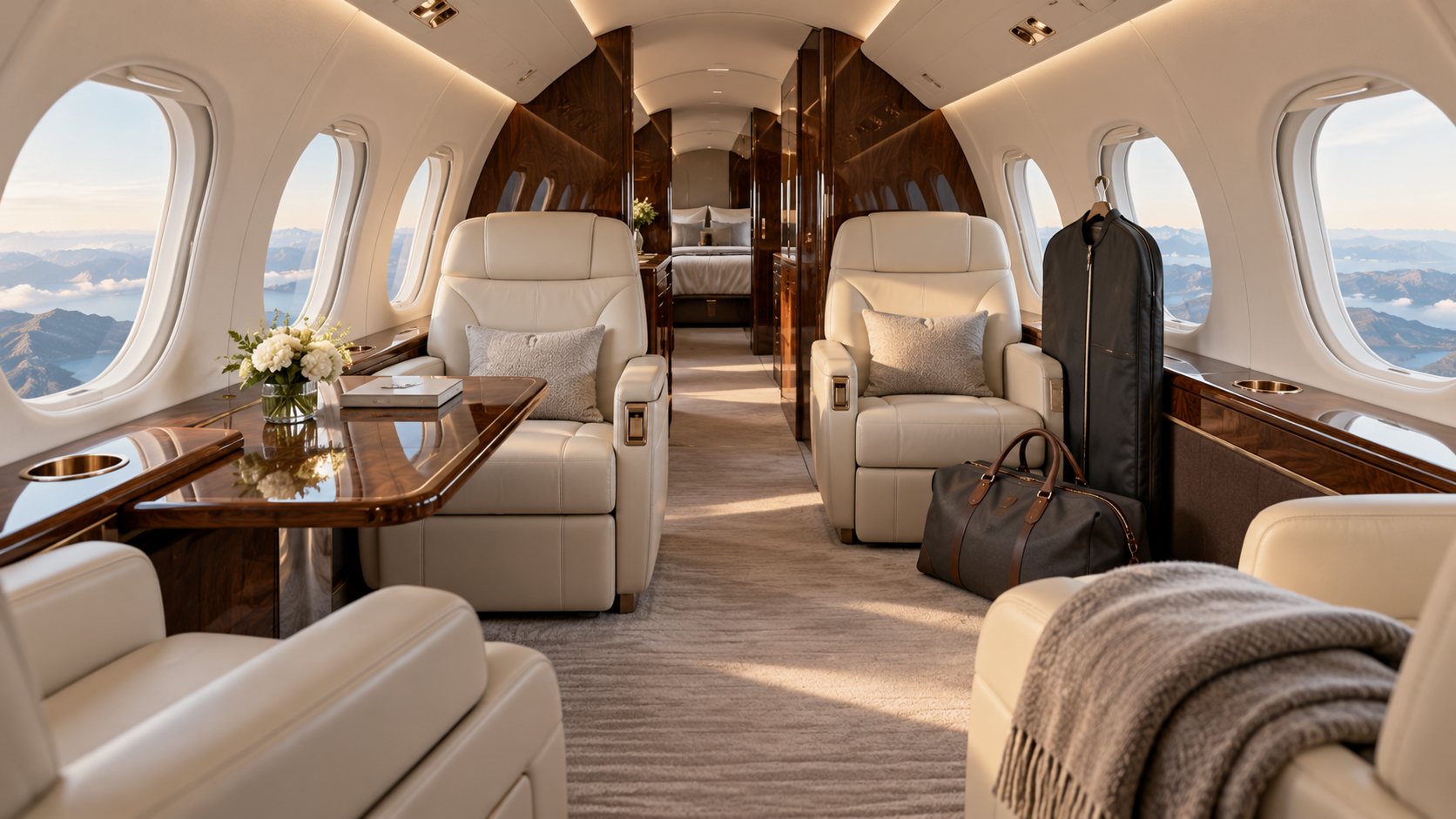
Start with the proposed airports and route, then compare cabin and baggage. A regional day trip may have different priorities from an overnight international arrival. Ask for the actual configuration, usable seats and sleeping arrangements applicable to the offered aircraft.
Send the provider the baggage inventory and any bulky equipment. Golf bags belong in the brief when guests plan a separate round during the wider trip, even though they are attending the Masters as spectators. The chauffeur vehicle also needs to carry the complete load with the group aboard.
For a short trip, examine the cost and practicality of the aircraft staying against repositioning. For a longer visit, crew accommodation, parking and minimum utilization can materially affect the quote. Those details should be visible before comparing offers with different aircraft arrangements.
Sample final-round weekend itinerary
| Day | Suggested plan | Main coordination point |
|---|---|---|
| Friday, 9 April | Arrival, hotel check-in and a relaxed dinner | Accepted airport stay and the next day’s access |
| Saturday, 10 April | Attend if Saturday admission is held, or enjoy a separate local program | Each day needs its own confirmed entitlement |
| Sunday, 11 April | Final-round visit | Prearranged meeting point and departure decision |
| Monday, 12 April | Breakfast and flight home | Allows room for Sunday play and course exit |
This example assumes the visitor holds the relevant access for each course day. It does not establish a badge through the itinerary itself. For a practice visit, shift the stay to the selected Monday, Tuesday or Wednesday and follow the current patron guidance for that day.
Masters travel costs: a worked planning scenario
This example covers four travelers, three nights in two rooms and a private-jet round trip modeled at two passenger flying hours each way. It uses an assumed US$7,000 flight-hour rate. The course-access and hospitality allowance is an editorial budget input, not an official badge price or a guarantee of availability.
| Cost item | Scenario basis | US$ |
|---|---|---|
| Passenger flight component | 4 total hours × 7,000 | 28,000 |
| Accommodation | 2 rooms × 3 nights × 700 | 4,200 |
| Course access / hospitality allowance | 4 guests × assumed 3,000 | 12,000 |
| Chauffeur and local transfers | Assumed group allowance | 1,800 |
| Dining and other activities | Assumed group allowance | 1,500 |
| Subtotal | Before aviation extras and taxes | 47,500 |
| Planning reserve | 10% | 4,750 |
| Scenario total | Subtotal plus reserve | 52,250 |
Request the actual flight positioning, handling, parking, crew accommodation, taxes and schedule-change costs where they fall outside the quote. The trip’s access, lodging and transport should be itemized so the guest understands what is purchased and what remains to be arranged.
A single-day regional visit and a full tournament stay can have very different budgets. Compare offers using the same days, guest count and confirmed admissions. The Journal’s charter-cost section provides a framework for understanding the aviation component without reducing the entire trip to an hourly rate.
Booking timeline and the final return decision
Start with the day and access that justify the visit. Choose accommodation and give the aviation team the passenger, route, baggage and timing brief. Secure the accepted airport arrangements and confirm how the aircraft stays or returns.
Before travel, review the current patron rules, driver route and pickup instructions. Pack comfortable walking footwear and clothing suited to a long outdoor day, with the host’s hospitality requirements in mind. Leave restricted equipment at the agreed storage location rather than trying to resolve it at the entrance.
Agree what happens if the round runs longer or the passengers want to watch an additional group. Identify the person who can authorize the change and the contacts who update the crew, FBO and driver. A next-day flight often creates more room, while a same-night return needs a clear latest reporting time.
Frequently asked questions
Which airport should I use for a private jet to the Masters?
Compare Augusta Regional with Daniel Field using the proposed aircraft, accepted services, parking and course transfer. Daniel Field’s closer location does not establish suitability for every jet.
Does a hospitality package include a patron badge?
Only the written inclusions establish that. Ask for the exact day, admission arrangements and the outside hospitality service separately before relying on the package for course entry.
Can I take a phone onto the grounds?
The club’s current prohibited-items information lists cell phones as prohibited. Prepare the post-play meeting arrangements before entry and check the official instructions for the actual visit.
Can I bring a camera?
The rules differ between practice days and tournament rounds. Check the current official patron guidance for the day covered by the ticket before packing equipment.
Can the aircraft wait during my course visit?
The airport and FBO must accept the aircraft stay. If repositioning is required, ask where the aircraft goes, what it costs and how the return is protected.
Is a same-day trip practical?
It can be where the flight, admission, ground transfer and return schedule support it. Include realistic entry and exit margins and a clear plan for a delayed sporting finish.
Continue planning
Use the Masters event guide, airport and FBO directory and private jet charter section. Recheck the club’s current patron information and the accepted 2027 airport arrangements before the final itinerary is fixed.