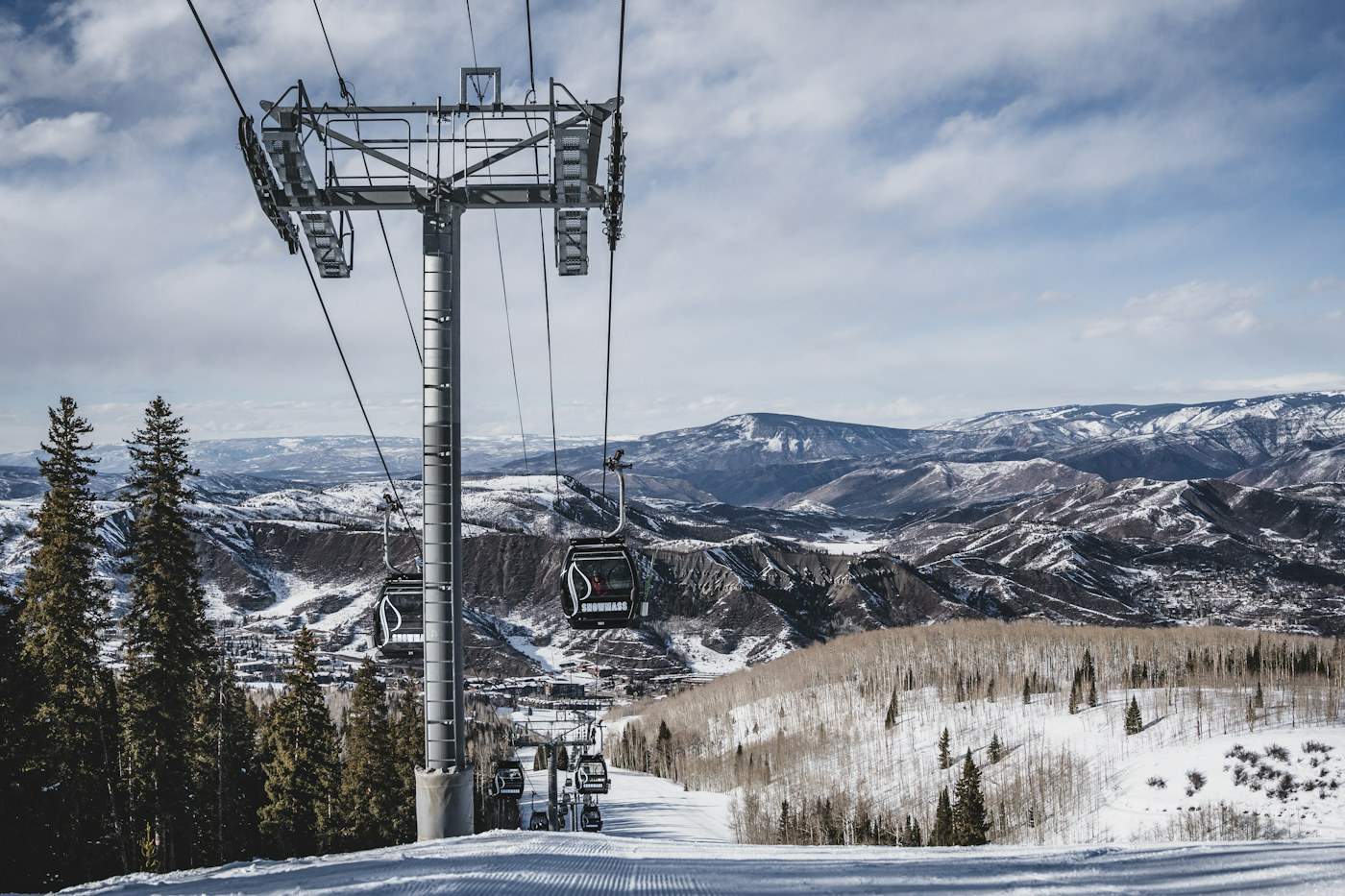
Aspen winter itineraries work best when aircraft, ski plans and ground transfers align.. Chase Baker / Unsplash
An Aspen winter trip can combine skiing, a comfortable resort stay and time with family or friends in a setting where the mountain is part of everyday life. Private aviation can shorten the journey and let the group travel together with its equipment. The airport choice still needs to fit the aircraft, the weather and the lodge the passengers actually want to reach.
For the 2026–27 winter, the resort publishes different dates for its four mountains. Those calendars should shape a Thanksgiving, holiday or spring trip. This guide connects the resort plan with airport selection, ski baggage, accommodation, weather alternatives and a worked budget.
Plan Samedan arrivals, winter events and alpine alternatives.
Mountain
Published opening
Published closing
Aspen Mountain
26 November 2026
18 April 2027
Snowmass
26 November 2026
11 April 2027
Aspen Highlands
12 December 2026
11 April 2027
Buttermilk
12 December 2026
4 April 2027
These dates come from the resort’s current lift-ticket information. Actual terrain and lift availability depend on conditions and the current mountain report. A season date should not be read as a promise that every run or facility operates that day.
Travel item
Planning detail
Local airport
ASE / KASE
Airport alternatives
EGE / KEGE and RIL / KRIL
Winter time zone
Mountain Standard Time, UTC−7
Main operating issue
Mountain conditions, aircraft suitability and the accepted airport plan
Main baggage issue
Skis, snowboards, boot bags and the connecting vehicle
Best flexibility decision
Leave room between flight arrival and the first fixed resort commitment
Choose the resort routine before choosing the flight
Aspen Snowmass comprises four mountains with distinct settings and terrain. A family wanting a consistent ski-school routine may value a different lodging location from experienced skiers planning to move between areas. Decide how the group wants to spend each day, then choose the base that supports it.
A central Aspen stay can suit travelers who want town dining, shopping and easy access to Aspen Mountain. A Snowmass base may suit a trip organized around that mountain and its village. Moving between them is part of the holiday routine, rather than a detail to improvise after the aircraft lands.
For a mixed group, separate the priorities of skiers and non-skiers. A property with a practical town or resort setting can give everyone a comfortable day without requiring the same schedule. Identify which lessons, meals or activities need advance reservations and which can remain flexible around the weather.
Airport comparison: Aspen, Eagle and Rifle
Airport code
Longest paved runway reported in the directory
Planning role
ASE / KASE
2,440 m
Local airport serving the Aspen area
EGE / KEGE
2,743 m
Regional alternative with a longer road connection
RIL / KRIL
2,134 m
Alternative in the lower valley, with a separate road plan
Runway length is reference context, not the full aircraft assessment. Current restrictions, declared distances, conditions, terrain and performance determine the operation. Review the linked Aspen, Eagle and Rifle profiles with the provider’s actual mission proposal.
Aspen/Pitkin County Airport
Aspen/Pitkin County Airport provides the short final connection that makes a local private jet arrival attractive. Its own high-altitude information places the airport at approximately 7,815 feet above sea level. The crew must account for the aircraft, conditions and the intended mission in that environment.
Ask the operator to explain the aircraft-specific airport assessment and the planned alternative. Cabin size and charter price do not settle whether the flight can operate at the local airport. An aircraft that suits an intercontinental cabin requirement may need a different gateway from one serving a short regional trip.
The airport’s approach and departure information points pilots to current FAA publications and airport procedures. The operating crew should use those references and the current notices. The passenger’s useful role is to communicate priorities and understand the contingency, rather than trying to direct a mountain approach.
Eagle County Regional Airport
Eagle County Regional Airport is worth comparing where the aircraft assessment or weather plan favors it. Its longer road connection to Aspen needs a vehicle that fits the group and winter luggage, with a route established for the actual conditions.
The airport can be a planned primary destination or an accepted alternative. Those are different arrangements for the driver. If it is the alternate, agree when the vehicle is dispatched and how the hotel receives the change. A safe landing is the start of the final journey, not its completion.
Ask whether choosing Eagle changes the return airport. The provider should explain aircraft parking, crew location and the departure preparation, including the passengers’ road journey back. A complete comparison covers both ends of the stay.
Rifle and Garfield County Regional Airport
Garfield County Regional Airport at Rifle offers another valley gateway to assess. Its practical value depends on the aircraft, accepted services, weather and the road route into the Aspen area. Include that full proposal when comparing alternatives.
The onward vehicle still travels through winter conditions. Ask the driver to confirm the intended route, luggage capacity and collection arrangements if the flight changes at short notice. A summer map estimate is insufficient for a ski-season arrival.
For a group with a late arrival, consider the hotel check-in and meal plan after the longer drive. That can be as important to the guest experience as the extra airport distance. Keep the accommodation informed if the alternate becomes the selected arrival.
A robust Aspen itinerary includes an aircraft-specific airport assessment and a winter ground alternative. · Illustration: BizJet Journal
The weather plan should include the passengers’ journey
Mountain weather can change visibility, wind, airport access and the ground route. Ask the operator for its primary and alternate plan and how it communicates the decision. A workable contingency identifies the airport, provider and timing, rather than simply naming another runway.
For a morning lesson or an important dinner, consider arriving the previous day. That margin reduces the pressure to preserve an optimistic arrival time in changing conditions. It also gives the passengers time to settle, collect equipment and prepare for the first resort day.
The return deserves the same planning. A weather-affected departure can alter the road journey, fuel plan or onward connection. If the group has a fixed airline connection or important appointment after the charter, tell the provider early so it can assess the complete sequence.
Ask how a changed airport affects costs. Ground substitutions, additional aircraft flying, de-icing and crew accommodation may have different terms. The travelers should understand what is included, what is quoted separately and who can approve a change.
Parking, handling, de-icing and aircraft stay
Confirm the selected FBO’s reservation and parking arrangements for the exact dates. Holiday periods, long weekends and major resort events can create concentrated demand. A generic description of winter availability does not establish a parking place for the proposed aircraft.
An aircraft remaining locally and one repositioning after drop-off have different costs and scheduling consequences. Request the full stay or repositioning plan in the quote. If the aircraft leaves, identify where it returns from and how the crew prepares for the agreed departure.
Ask how winter services are priced, including any de-icing or hangar arrangements applicable to the aircraft. The operational decision remains with the crew; the commercial terms should be visible to the customer. Avoid reducing a winter charter comparison to the passenger-flight hours alone.
For a multi-day visit, review the accepted departure time against the final resort day. A last afternoon on the mountain, equipment return and hotel luggage collection need to fit the airport reporting requirement. That sequence should be planned while there is still room to adjust it.
Ground transfers and baggage space
In ordinary conditions, an initial editorial allowance of around 10–20 minutes from Aspen airport to central Aspen can be useful. From Eagle or Rifle, plan roughly 1.5–2.5 hours, depending on the specific route and destination. These are broad planning ranges; winter roads can require much more time.
Book a winter-equipped vehicle with enough space for skis, boards, boots and normal cases. A large luggage load can turn an otherwise comfortable passenger car into the wrong vehicle. Confirm child seats and mobility requirements as part of the same brief.
Give the driver the actual lodge, chalet or hotel entrance, including any final approach instructions. A resort name alone may cover several arrival locations. Ask where the driver meets the passengers at the selected FBO and how flight changes will reach the transport provider.
Keep a helicopter leg conditional on a confirmed authorized operator, approved landing point, payload and weather assessment. It should have an onward connection and a road fallback. Mountain weather and bulky ski baggage remain relevant even when a shorter airborne transfer is offered.
Where to stay: Aspen town or a mountain-centered base
The Little Nell is one property to compare for a stay connected with Aspen Mountain and the town. Its own site describes a ski-in/ski-out setting. Assess the actual room, daily skiing routine and vehicle arrangements against the group’s plans rather than choosing on the name alone.
A central Aspen hotel can support dining, shopping and a comfortable evening routine. That can be valuable for mixed groups and guests who will not ski every day. Check how the property coordinates equipment, lessons and movement to the mountains the travelers want to use.
A Snowmass base can suit a trip organized around that resort area. Compare the exact lodging location with the ski-school meeting point, equipment arrangements and the daily path to the slopes. “Snowmass accommodation” is a broad description; the room or residence address determines the real routine.
A private residence can provide more shared space for families or friends. Request a clear service description covering bedrooms, cleaning, meals, transport, equipment storage and property access. A larger living area is useful when it comes with the practical support the group expects.
Ask for nights, minimum stay, taxes, deposits and cancellation terms. Discuss early arrival or a late departure where the aviation plan is flexible. Keep the property prepared to receive guests after an alternate-airport transfer rather than leaving a late check-in unresolved.
Lift tickets, lessons and equipment
The resort’s lift-ticket page describes different validity arrangements for single- and multi-day products. Select the product around the days the group actually expects to ski. Review current refund and use conditions before treating a flexible travel itinerary as a flexible lift product.
Book lessons and rental equipment separately where needed. Confirm the mountain, meeting point, participant ages and level. A family’s first day can become much smoother when the arrival, equipment collection and lesson schedule have enough time between them.
For experienced skiers bringing their own equipment, communicate the full baggage inventory to the aircraft provider. For guests renting locally, check the shop location and fitting plan. That choice can change both the aircraft baggage requirement and the first evening’s schedule.
If a group plans to move between mountains, assess the ground routine and current resort transport options. One lift-ticket product does not remove the need to reach the chosen area. Avoid putting lessons on different mountains at the same time unless the group and drivers have deliberately planned for it.
Ski bags, boot bags and normal luggage should be checked against the quoted aircraft and vehicle. · Illustration: BizJet Journal
Sample five-night ski itinerary
Day
Suggested plan
Main coordination point
Day 1
Arrival, lodge check-in and equipment preparation
Weather decision and baggage transfer
Day 2
First ski day or lessons
Exact mountain and meeting point
Day 3
Full mountain day
Keep dining compatible with the return to the property
Day 4
Flexible skiing, rest or town activities
Leave room for conditions and different guest interests
Day 5
Final full ski day
Reconfirm departure and equipment return
Day 6
Breakfast, checkout and flight home
Airport, road route and luggage collection
This structure gives the arrival and departure their own space. A shorter stay can work, but it concentrates more dependence on the weather and transfer plan. Choose the exact dates from the intended mountain calendar and the group’s fixed commitments.
Aspen private jet costs: an illustrative scenario
This example is for four guests, five nights in two rooms and a private-jet round trip modeled at two passenger flying hours each way. It assumes US$7,000 per flight hour. The lodging, skiing and ground figures are editorial budget inputs rather than current resort prices or a charter offer.
Cost item
Scenario basis
US$
Passenger flight component
4 total hours × 7,000
28,000
Lodging
2 rooms × 5 nights × 900
9,000
Lift tickets, rentals and lessons
Assumed group allowance
4,000
Ground transfers
Assumed local and contingency allowance
1,500
Dining and leisure
Assumed group allowance
2,000
Subtotal
Before aviation extras and taxes
44,500
Planning reserve
10%
4,450
Scenario total
Subtotal plus reserve
48,950
The actual aviation quote should identify positioning, airport handling, parking, crew accommodation, winter services and taxes. A different primary airport can also change the ground component. Ask for the agreed alternate arrangements as part of the proposal rather than assuming a contingency reserve covers every change.
Compare the complete stay: an equipment-inclusive property, a private residence with separate services and a hotel with individually booked activities create different cost structures. The Journal’s charter-cost section helps make the aircraft component understandable alongside those destination choices.
Packing and final preparation
Send ski-equipment dimensions and weights before booking, including the return load. Carry essential medication, documents and a practical overnight kit with the travelers. If the arrival changes, the group should still have the items needed to settle comfortably into the property.
Pack layers, winter footwear and clothing appropriate to the booked activities. Keep a realistic first-day plan after a long flight and a longer alternate transfer. The holiday works better when the first fixed commitment does not assume an immediate arrival at the lodge.
Before travel, reconcile the aircraft, accepted airport, alternate vehicle, lodging and resort bookings. Identify who can authorize a change and who updates the driver and hotel. That communication plan preserves the trip when the winter conditions require a different route.
Frequently asked questions
Is Aspen airport always the best choice?
Aspen airport provides the shortest local connection, but the aircraft and weather assessment may favor Eagle or Rifle. Compare the complete ground and return plan with the operator.
Can every large-cabin jet land at Aspen?
Acceptance depends on the specific aircraft, restrictions, payload and current conditions. Cabin category alone does not establish runway or airport suitability.
Should I reserve a car at the alternate airport?
Have an agreed provider and dispatch process for the chosen alternative. The vehicle needs enough luggage space and a workable winter route to the actual property.
Does a charter include ski equipment transport?
The proposed aircraft and vehicle must be assessed against the bags supplied in the brief. Send dimensions and weights before booking, including any connecting air transfer.
Are all four mountains open on the same dates?
The resort publishes different 2026–27 opening and closing dates for the four mountains. Check the intended area and current mountain report for the exact trip.
Can I ski on the departure day?
It may fit the accepted flight and transfer plan, but include equipment return, hotel luggage and airport reporting. A departure scheduled tightly against the last run gives less room for winter conditions.