Aircraft Ownership · guide
Flight Hours vs Cycles: How Two Used Jets Age Differently
Two jets with 4,800 hours can be thousands of landings apart. Their component records and your own trip pattern determine which maintenance bill comes first.

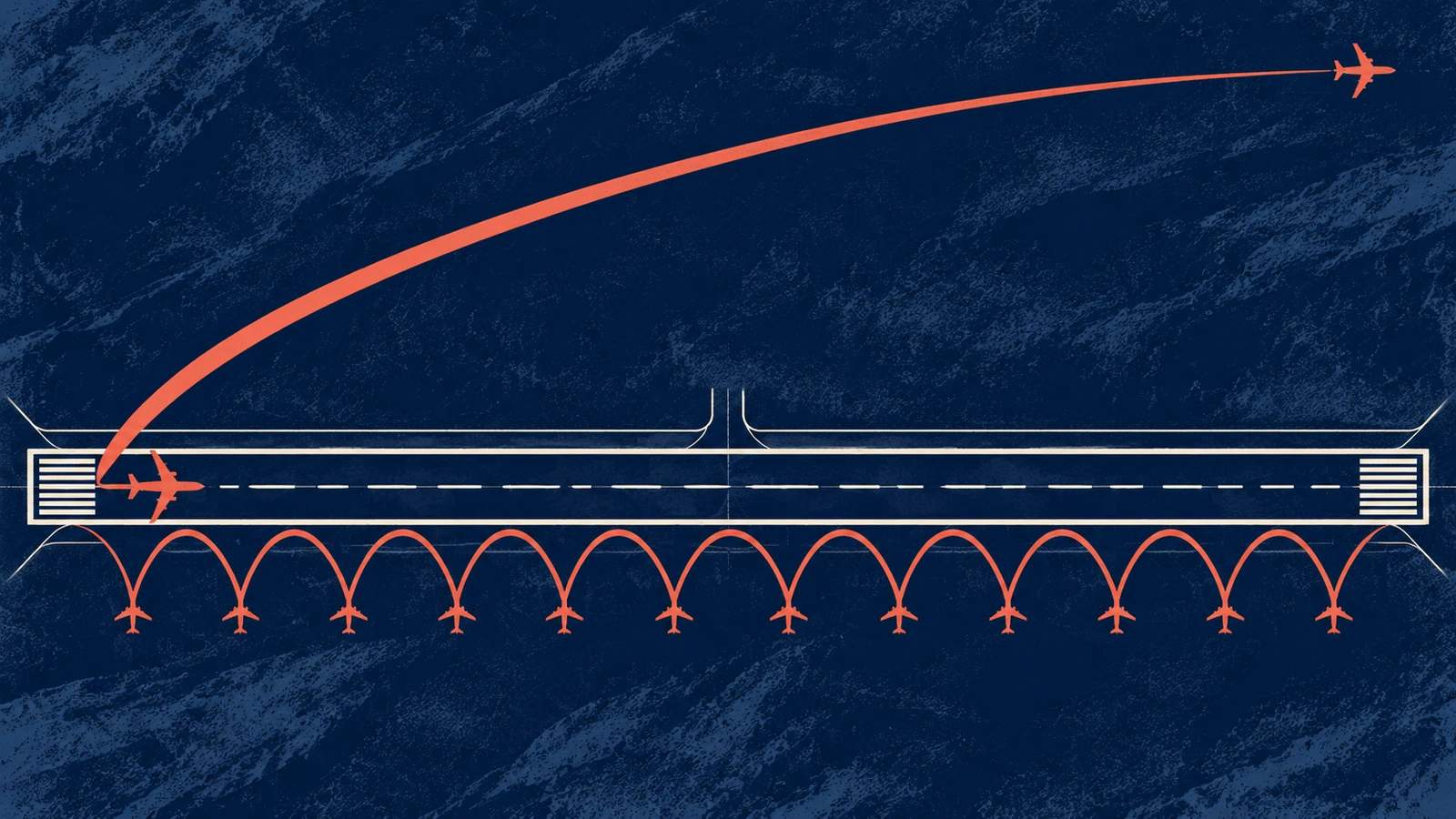
Two used business jets of the same age each have 4,800 flight hours. One has made 1,600 landings. The other has made 3,200. For a buyer planning a steady diet of 75-minute trips, the second aircraft can bring a major component expense into the ownership period years earlier. Its position in the maintenance schedule matters more than the tie on the sales sheets.
The difference is already visible in the arithmetic. The first aircraft averaged three hours per landing. The second averaged 90 minutes. Neither number says whether the airplane was maintained well. Both help explain why airframe time alone is an incomplete basis for a purchase decision.
Flight hours vs cycles: which figure applies to the part?
Hours measure time under the definition relevant to the record or maintenance task. A landing count records landings. A flight cycle commonly corresponds to a takeoff and landing, while the manufacturer’s approved definition controls the count for a particular component or task. An engine cycle, an airframe landing and a pressurization cycle should not be treated as interchangeable just because the totals look similar on a summary sheet.
A component experiences different loads during different parts of a trip. Landing gear sees the landing and the subsequent ground operation. Cabin pressurization puts a changing pressure load on the structure. Some critical engine parts have approved cycle lives. U.S. engine certification rules for life-limited parts illustrate how a maximum allowable number of flight cycles can apply to an identified engine part. Each applicable limit comes from the instructions for the relevant design and part.
Other tasks are driven by elapsed hours, a calendar date, or the earliest of several limits. A low-cycle jet that has sat for two years is still two years older. Storage conditions and preservation records can be more informative about that period than the number of hours added to the airframe. A well-used airplane with a recent inspection and complete documentation may offer the buyer a clearer forecast.
Two identical airframe-hour totals, one very different shop forecast
Take a simplified acquisition comparison. Both aircraft have 4,800 hours and each retains a particular original component. For this example alone, its assumed limit is 4,000 cycles and its accumulated cycles happen to equal the aircraft’s landings. The assumed replacement bill is $180,000. These figures illustrate the mechanism and are not limits or quotes for an actual jet.
| Maintenance input | Jet A | Jet B |
|---|---|---|
| Airframe hours | 4,800 | 4,800 |
| Recorded landings | 1,600 | 3,200 |
| Historical average hours per landing | 3.0 | 1.5 |
| Cycles remaining on the assumed component | 2,400 | 800 |
| Years until assumed limit at 240 cycles per year | 10.0 | 3.3 |
The buyer plans to fly 300 hours per year in 1.25-hour sectors. That works out to 240 cycles a year under the simplifying assumption of one qualifying cycle per sector. Over four years, the fleet plan uses 960 cycles. Jet B reaches the assumed component limit during year four. Jet A ends the period with 1,440 cycles still available on its component. Other work can still come due on either aircraft.
The cash implication is a likely $180,000 event inside the buyer’s holding period for Jet B. That does not assign Jet A an automatic $180,000 purchase-price premium. The residual condition of each aircraft at sale, the buyer’s cost of capital and the market’s valuation of the remaining component life all matter. A replacement on Jet B also gives the subsequent owner a different maintenance position.
Why the buyer’s average trip changes the result
Suppose the same buyer keeps the 300-hour annual budget but replaces the short sectors with three-hour flights. Annual cycles fall from 240 to 100. Jet B’s 800 remaining cycles now cover eight years under the example, so the assumed bill falls outside the four-year ownership plan. A different task with a calendar limit could still come due sooner. The flight-hours budget was right in both scenarios. The mission forecast determined whether this particular check had to be written.
The estimate should reflect aircraft movements rather than passengers’ descriptions of trips. A day out and back generally involves two flight sectors. A fuel stop or an empty positioning leg can add another. If the aircraft operates charter when its owner is elsewhere, the operator’s anticipated hours and sectors belong in the same forecast. One department might fly a few transcontinental trips with passengers while accumulating much of its cycle count on regional charter.
There is a scheduling cost, too. A component reaching its limit in the middle of a three-week business tour needs attention before the tour, even if several legal cycles are still available on the day it goes into the shop. Removing it at a convenient visit can trade some remaining life for a shorter period of additional downtime. The best shop date and the nominal due date do not have to coincide.
The serial-number record can overturn the listing comparison
Change one assumption in the example. Jet B’s component was replaced 600 cycles ago. It now has 3,400 cycles available under the same assumed limit, more than the equivalent component on Jet A. The aircraft still has 3,200 landings and 4,800 hours. A forecast built solely from airframe totals would put a $180,000 expense on the wrong side of the comparison.
The same distinction applies when engines have been exchanged, loaned, overhauled or installed from another aircraft. The engine serial number provides a starting point. The records for applicable life-limited parts establish the status of the parts inside it. A shop visit does not by itself establish that every part was replaced or every clock restarted.
For relevant U.S. operations, 14 CFR 91.417 distinguishes total time in service from the current status of life-limited parts, applicable overhaul times and inspection status. A summary tracking report is useful for screening candidates. Before technical acceptance, the buyer’s maintenance specialist can reconcile the numbers against the underlying installation and removal records and the applicable maintenance program. An undocumented gap is a separate acquisition issue, even when the hours shown are low.
What belongs in the price negotiation?
A meaningful comparison gives each candidate the same future workload and ownership period. For each material event it shows the trigger, remaining interval, projected date, quoted scope, likely days unavailable, and any amount payable under an applicable support program. A shop estimate for one component may exclude shipping, removal and installation. Using the same scope on both jets matters as much as getting the cycle arithmetic right.
An owner expecting busy regional work may reasonably favor the higher-priced, lower-cycle candidate once the operating plan and downtime are included. A transcontinental operator could reach a different conclusion about those same two jets. The useful buying question is which aircraft will do the intended work, with which documented life remaining, by the time the owner expects to sell.
Frequently asked questions
Is a cycle always one takeoff and one landing?
That is a useful first approximation for planning flight sectors. The maintenance instructions define the count for a particular part or task. The airframe landing total should not replace documented engine or component cycles in a purchase evaluation.
Does an engine overhaul reset every cycle count?
An overhaul and replacement of a specific life-limited part are different events. The shop records identify the work performed and which parts were returned to service. A retained part can still carry its own accumulated cycles.
Which is better, a high-hour jet or a high-cycle jet?
The better choice depends on documented condition, maintenance already completed, the intended missions and the events due during ownership. A longer-range operator and a short-sector operator can see very different financial outcomes from the same two candidates.