


Key facts
Area, population and GDP figures describe the named country or territory, not the city or resort. Airport names are relevant gateways; heliport figures identify the stated inventory area.
- Capital
- United States: Washington D.C. California state capital: Sacramento
- Time zone
- America/Los_Angeles — UTC−08:00 standard time; UTC−07:00 during daylight saving
- Telephone code
- United States: +1
- Total area
- United States: 9,833,517 sq km
- Population
- United States: 341,784,857 (2025, World Bank)
- Currency
- United States: United States dollar (USD)
- GDP per capita
- United States: US$90,027 (nominal, 2025, World Bank)
- Airports
- San Francisco International Airport; Oakland San Francisco Bay Airport
- Heliports
- California: 944 heliport records in the OurAirports inventory (2026-10-07)
OurAirports is a community-maintained inventory. A zero means no heliport record in this snapshot, not proof that no landing site exists. Listings may include private sites and do not establish passenger access or current operating availability.
Fact sources
- Country codes, capitals, calling codes and currencies — Countries dataset (ODbL)
- United States — archived CIA World Factbook (final pre-closure snapshot)
- United States population — World Bank
- United States GDP per capita, current US dollars — World Bank
- OurAirports open airport/heliport inventory
- United States cultural etiquette and food — Wikivoyage
- Civil time rules — IANA time zone database 2026e
- US state governments and state information
Travel information
Country and territory context for United States. Communities, customs and food vary locally; the local travel-season note is specific to San Francisco.
- Climate
- United States: mostly temperate, but tropical in Hawaii and Florida, arctic in Alaska, semiarid in the great plains west of the Mississippi River, and arid in the Great Basin of the southwest; low winter temperatures in the northwest are ameliorated occasionally in January and February by warm chinook winds from the eastern slopes of the Rocky Mountains Local travel season: September–October often offers relatively warm city weather. Spring is also appealing; summer fog and cool coastal temperatures can surprise visitors.
- Ethnic groups and communities
- United States: White, Black or African American, Asian, Indigenous and Alaska native, Native Hawaiian and Pacific Islander, two or more races
- Main languages
- United States: English, Spanish, Chinese and many other community languages.
- Cultural practices
- United States: Social customs differ considerably by region and community. Courtesy, personal space and advance arrangements are useful in formal settings.
- Traditional cuisine
- United States: Regional foods include barbecues, seafood, breads and stews; Indigenous and immigrant traditions contribute to a diverse national cuisine.
- National economy
- United States: A diversified economy spanning finance, professional services, technology, manufacturing, healthcare, agriculture, energy and tourism.
Fact sources
- Country codes, capitals, calling codes and currencies — Countries dataset (ODbL)
- United States — archived CIA World Factbook (final pre-closure snapshot)
- United States population — World Bank
- United States GDP per capita, current US dollars — World Bank
- United States cultural etiquette and food — Wikivoyage
- Civil time rules — IANA time zone database 2026e
- US state governments and state information
Your journey
Private jet to San Francisco
San Francisco offers a compact-looking map with steep hills, distinct neighbourhoods and a much larger business region beyond the city. A Financial District or Moscone appointment points to a different daily pattern from meetings on the Peninsula or in the East Bay. Compare San Francisco International and Oakland with the final address rather than choosing solely by the city name. For leisure, a central hotel can support neighbourhood walks, museums and waterfront meals, while a redwood or wine-country excursion deserves its own day. Carry layers and allow the bay’s changing weather to influence the order of outdoor viewpoints.
San Francisco at a glance
- Suggested stay
- Four nights
- Best suited to
- Technology, food, art and Bay Area exploration
Three-day weather forecast
San Francisco
Loading the three-day forecast…
Weather data: MET Norway · CC BY 4.0. Forecast samples summarised by BizJet Journal for the guide’s reference location; conditions vary across larger destinations. For trip planning; flight crews use aviation weather briefings.
Where to land for San Francisco
San Francisco International serves the peninsula, while Oakland San Francisco Bay Airport is across the bay. Compare the actual city or Bay Area address and the likely ground journey before settling on an airport.
| Airport | Location and access | Private aviation planning |
|---|---|---|
| San Francisco International AirportSFO / KSFO | San Mateo County, southeast of San Francisco. | Compare for San Francisco and Peninsula business. Private terminal arrangements differ from airline pickup, and the road journey should be assessed against the actual meeting or hotel address. |
| Oakland airportOAK / KOAK | East Bay, across the bay from San Francisco. | A useful comparison for East Bay appointments. A San Francisco hotel usually adds a bay crossing, so bridge traffic and the selected FBO matter as much as the flight schedule. |
Private terminals and arrival experience
A fixed-base operator (FBO) provides ground services for private aircraft and their passengers. The handling team coordinates your arrival; airport opening hours alone do not establish terminal or border-service availability.
SFO or OAK
Arrange the specific private terminal
An FBO, or fixed-base operator, provides private passenger handling and aircraft support. Request the terminal name and street entrance for the driver, and coordinate customs and overnight aircraft arrangements with the operator before finalising the schedule.
Airport transfers and getting around
San Francisco, Peninsula and East Bay
City and regional meetings
Group business by side of the bay. A lunch in the city between two distant Peninsula appointments can consume much of the day; a driver’s route estimate should guide the final diary.
Nob Hill and the waterfront
Walk selectively
Short distances can include steep climbs. Use cars or public transport where helpful and plan waterfront walks as flatter alternatives; keep a warm layer for exposed bayfront stops even in summer.
Ask the operating carrier to confirm aircraft suitability, handling and permissions for the actual itinerary. For budgeting, see our private jet charter cost guide.
Where to stay in San Francisco
Nob Hill
Fairmont San Francisco
A landmark hotel with a hilltop setting and a traditional city-hotel atmosphere. It suits guests who value the hotel experience and views, while the steep surrounding streets should be considered for anyone preferring easy level walks.
Stockton Street, Nob Hill
The Ritz-Carlton, San Francisco
A refined Nob Hill base convenient for a city-centred stay. Compare its neighbourhood setting with the meeting locations; a good central hotel does not remove the travel needed for Silicon Valley business.
Market Street
Four Seasons Hotel San Francisco
A practical comparison for the Moscone area, shopping and central meetings. This is the Market Street property, so specify the full hotel name and address when booking cars rather than confusing it with the separate Embarcadero hotel.
Where to eat
Four Seasons, Market Street
MKT Restaurant & Bar
Californian cooking and a central location make this useful for a business lunch or a meal near Moscone. The dining room and lounge can have different service arrangements, so confirm the intended format for an evening booking.
The Ritz-Carlton, Nob Hill
Parallel 37
A Californian restaurant suitable for a polished meal near a Nob Hill hotel. It can simplify a client dinner after a day of city appointments, with the group’s seating and dietary needs arranged ahead.
Fairmont San Francisco
Laurel Court
A traditional hotel dining room with seasonal local cooking. It works well for a quieter hotel-based meal or occasion; check the current service before combining it with another evening activity.
What to do in San Francisco
SoMa
SFMOMA
Allow a half day for selected modern and contemporary collections, then lunch in the same district. It pairs naturally with a Market Street stay or a Moscone visit and avoids an unnecessary cross-city transfer.
Northwestern waterfront
Golden Gate and the Presidio
Dedicate a morning to viewpoints and a suitable walk. Visibility and wind change the experience, so use a flexible order and keep an indoor alternative for an especially foggy period.
Marin County
Muir Woods and Sausalito
Allow a substantial half day or a full relaxed day for redwoods and waterfront time. Reserve the required parking or shuttle arrangements before driving, and keep the return clear of a tightly timed city dinner.
History of San Francisco
San Francisco developed on Ramaytush Ohlone homelands around Spanish colonial settlements. The Gold Rush drove explosive growth, followed by immigration, trade and industry. The 1906 earthquake and fire prompted extensive rebuilding that helped shape the city seen today.
Ohlone communities lived around the bay before Spanish mission and military settlement. The California Gold Rush from 1848 brought rapid population growth and international migration to the port.
The 1906 earthquake and fires destroyed much of the city, followed by extensive rebuilding. Later cultural movements, immigration and technology industries reshaped neighbourhoods whose histories extend well beyond the familiar waterfront landmarks.
Interesting facts
- The Golden Gate is the strait crossed by the bridge.
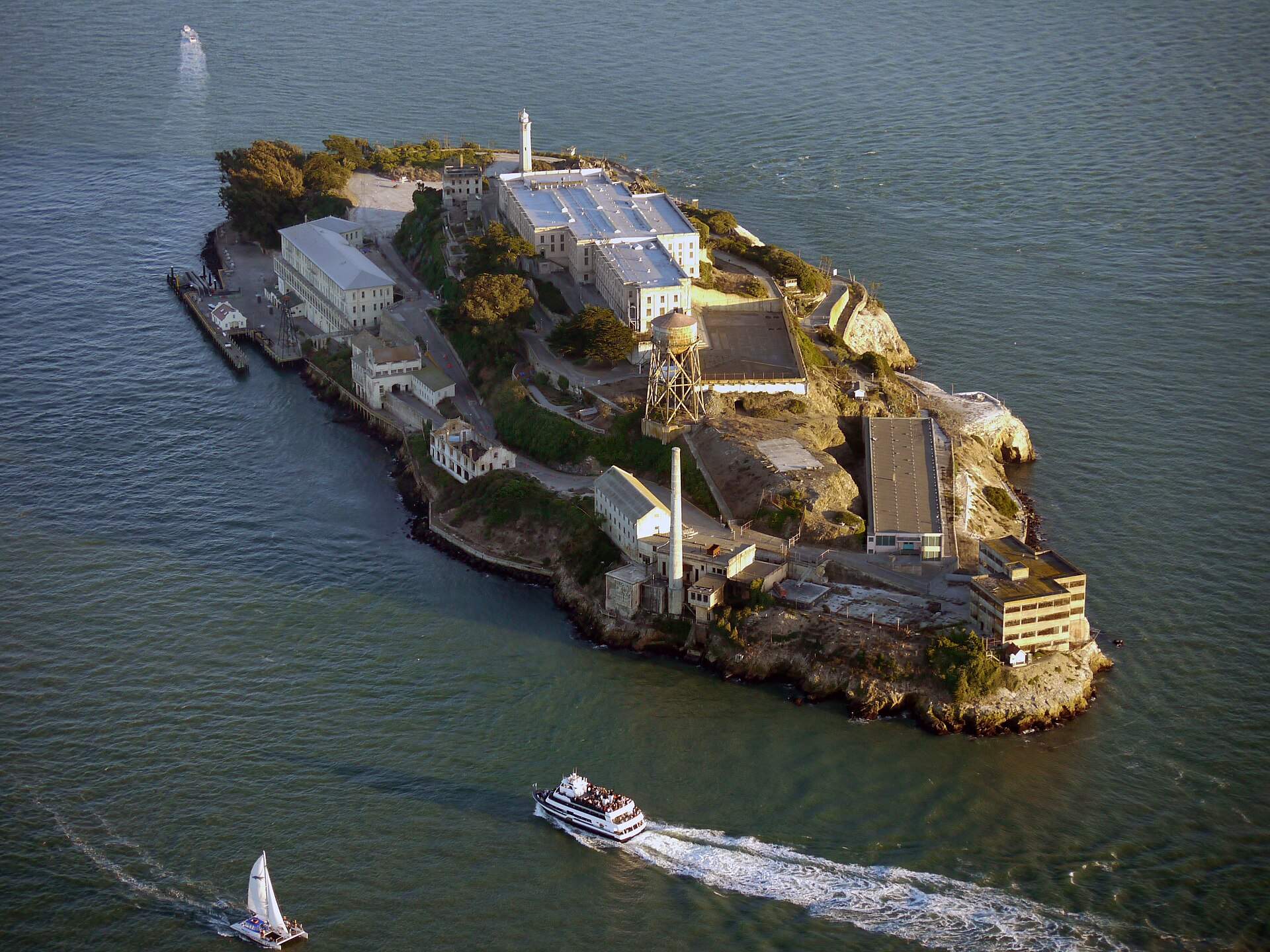
- Alcatraz has a history including military use, imprisonment and Indigenous activism.
Best time to visit San Francisco
September–October often offers relatively warm city weather. Spring is also appealing; summer fog and cool coastal temperatures can surprise visitors.
| When | Conditions and activities | Planning considerations |
|---|---|---|
| April–June | Spring and early summer can be cool near the bay. | Layer clothing and keep viewpoints flexible around fog. |
| July–August | Summer is not reliably hot in the city; inland areas can be much warmer. | Pack for different microclimates when combining San Francisco with regional meetings. |
| September–November | Early autumn often suits city walking and regional excursions. | Compare conference dates with accommodation demand and plan outdoor days around actual conditions. |
| December–March | Rain is more likely in winter. | Use museums and food as anchors, with flexible airport and excursion timing. |
Major events and advance planning
Moscone Center
Major conventions
Check the centre’s event calendar when booking a Market Street or SoMa stay. A large convention can affect room availability and nearby restaurants even when the visit has no connection to the event.
Plan your stay
Before you travel
Bay Area
Protect the regional travel day
Distinguish San Francisco sightseeing from a Silicon Valley or East Bay business day. Keep equipment and luggage with the hotel or driver and avoid leaving them in an unattended car during stops.
United States
International entry
Consult CBP’s general aviation information with the flight team and supply passenger details early. Customs coordination belongs in the airport plan before a first appointment is fixed.
Suggested itinerary
An editorial starting point. Suggested visit lengths and transfer allowances are planning estimates, not service guarantees.
Central San Francisco
Arrival
Transfer to the selected hotel and take a short neighbourhood walk, using a car for steep or distant sections. Dine nearby after the flight.
SoMa and the waterfront
First full day
Visit SFMOMA in the morning, have lunch around Market Street and reserve the afternoon for waterfront exploration. Keep any business appointments in the same central area.
Golden Gate or Marin
Second full day
Choose a Presidio morning for a city-focused day, or a pre-arranged Muir Woods and Sausalito excursion. Return with enough time to enjoy a Nob Hill dinner without rushing the bridge crossing.
Questions about visiting San Francisco
Should I use Oakland for a San Francisco hotel?
Compare it with SFO using the actual FBO and bridge journey; it is particularly worth considering for East Bay plans.
Is San Francisco warm in summer?
Not consistently. Fog and wind can keep the city cool while inland areas are warmer.
Can I drive to Muir Woods without planning?
Check and arrange the required parking or shuttle reservation first.
Which Four Seasons is described here?
The Market Street hotel at 757 Market Street, convenient for central shopping and Moscone-area plans.
Nearby destinations and onward journeys
Los Angeles
Add Southern California museums and coast to a Bay Area stay.
Las Vegas
Pair Bay Area culture and business with a separate entertainment weekend.