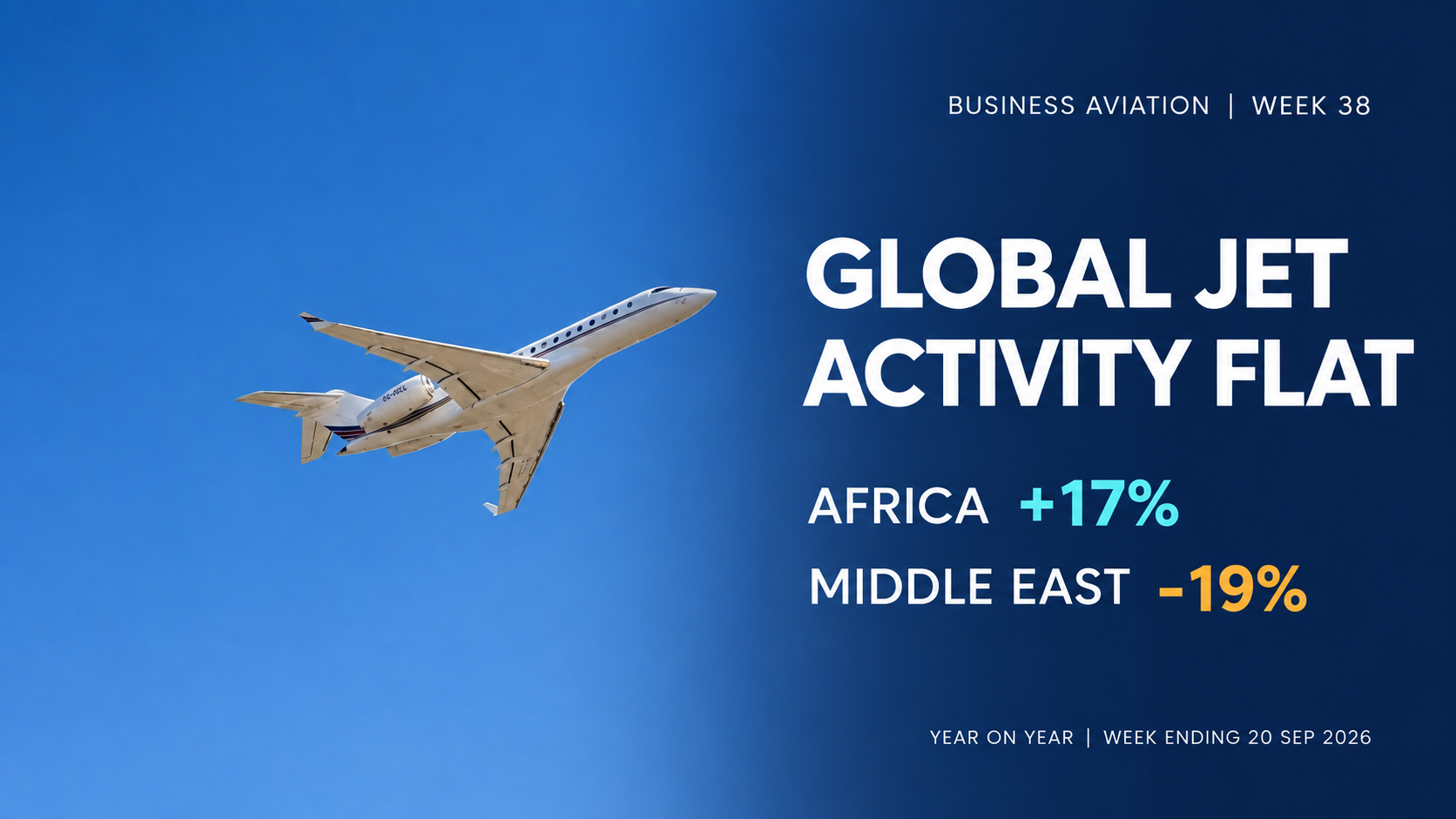

News · news
Embraer’s Business Jet Revenue Rises 12% Despite Flat Deliveries
Executive Aviation generated $655 million in Q3 2026 revenue from 41 deliveries. Pricing, aircraft mix and a lower tariff burden explain the stronger margins.

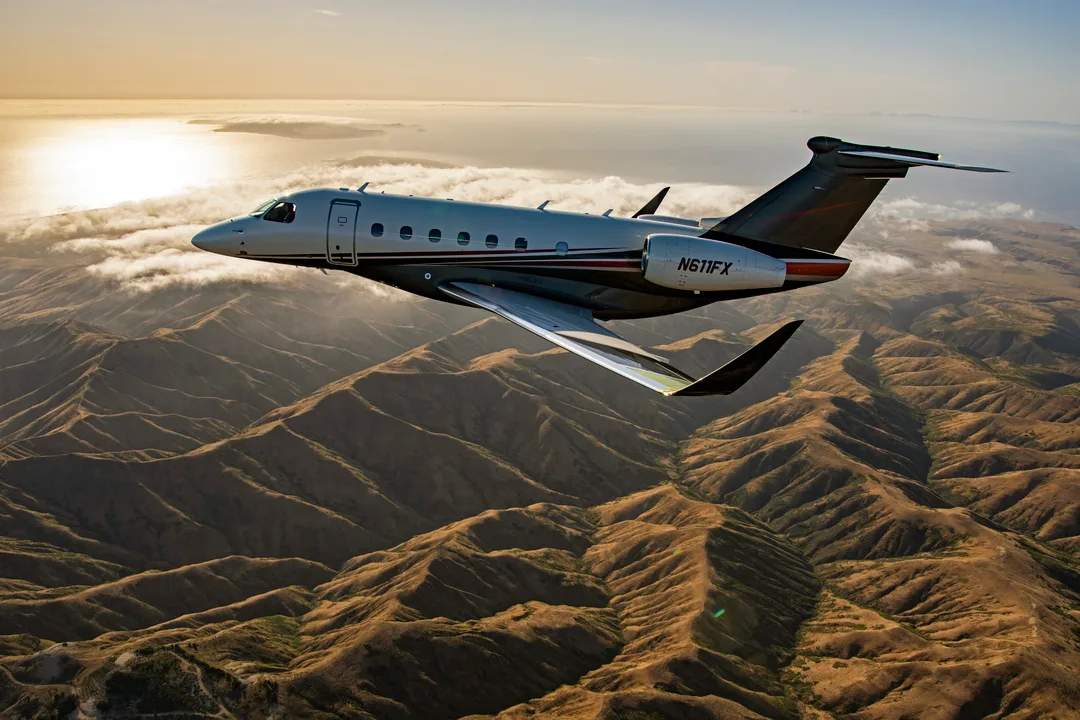
Embraer’s Executive Aviation business generated $655 million in third-quarter revenue, up 12% from $583 million a year earlier, while delivering the same 41 aircraft. The results released on November 10 show how higher prices and a different product mix lifted the business jet division without an increase in quarterly handovers.
For business aviation, the most useful comparison is between revenue, aircraft volume and profitability. All three describe different parts of the business. Embraer earned more revenue from a flat delivery total, and its operating margin improved even after allowing for the tariffs that weighed on the previous year.
Embraer Q3 2026 executive aviation results
| Metric | Q3 2025 | Q3 2026 | Change |
|---|---|---|---|
| Revenue | $583 million | $655 million | +12% reported |
| Aircraft delivered | 41 | 41 | Unchanged |
| Gross margin | 18.7% | 22.2% | +3.5 points |
| Adjusted EBIT margin | 12.1% | 16.0% | +3.9 points |
| Adjusted EBIT margin excluding U.S. import tariffs | 14.7% | 16.0% | +1.3 points |
The SEC-filed earnings release attributes the revenue improvement to pricing and product mix. It does not quantify how much of the $72 million increase came from each factor. Treating the entire 12% revenue gain as an aircraft price increase would therefore overstate what the disclosure establishes.
A flat delivery count can hide a changing product mix
Embraer’s results presentation shows 22 small jets and 19 medium jets delivered in Q3 2026, compared with 23 and 18 respectively a year earlier. Medium jets consequently represented about 46% of executive deliveries, up from 44%, calculated from those totals.
Dividing segment revenue by deliveries gives approximately $16.0 million per aircraft, versus $14.2 million a year earlier. That calculation illustrates the change in revenue intensity, but it is not a published average selling price or a quote for any model. It combines aircraft of different sizes and specifications and cannot isolate pricing from mix.
The earlier BizJet Journal delivery report covers the model-by-model handovers. November’s earnings disclosure adds the financial outcome of those deliveries: more revenue and a wider operating margin from the same number of aircraft.
Tariffs explain much of the headline margin improvement
Executive Aviation’s gross margin rose to 22.2% from 18.7%, while adjusted EBIT margin reached 16.0%, up from 12.1%. Embraer reported no U.S. import tariff expense in the division this quarter, compared with $15 million in Q3 2025.
The cleaner comparison is the company’s tariff-adjusted 14.7% margin for Q3 2025. Against that base, the improvement was 1.3 percentage points, rather than the headline 3.9 points. Pricing and mix still supported a stronger result, but the removal of a prior-year cost explains a substantial part of the reported expansion.
This distinction matters when assessing the durability of the improvement. An easier cost comparison can lift year-over-year profit without repeating indefinitely. Future quarters will provide a better test of whether the division can sustain its current margin as aircraft mix and delivery volume change.
A record order book supports the production outlook
Executive Aviation ended September with a record $8.2 billion backlog, up 5% from the previous quarter and 12% from a year earlier, according to Embraer’s October 23 backlog release. The division’s trailing 12-month book-to-bill ratio was 1.4 times.
That order book provides visibility into future work. It does not establish the delivery date, transaction price or available production slot for an individual buyer. A rising backlog can coexist with flat quarterly deliveries when orders arrive faster than completed aircraft leave the factory.
Embraer raises financial guidance while retaining delivery targets
Embraer increased its full-year revenue and cash flow forecasts, while keeping its executive aircraft delivery target and adjusted EBIT margin range unchanged. These are company-wide financial targets, not guidance for the business jet division alone.
| Measure | Previous guidance | Updated guidance |
|---|---|---|
| Executive Aviation deliveries | 160–170 aircraft | 160–170 aircraft |
| Consolidated revenue | $8.2–$8.5 billion | $8.4–$8.6 billion |
| Adjusted EBIT margin | 10.0%–10.6% | 10.0%–10.6% |
| Adjusted free cash flow excluding Eve | At least $400 million | At least $700 million |
With 115 executive aircraft delivered through September and the annual range unchanged, Embraer needs 45–55 business jet deliveries in the fourth quarter. The midpoint requires 50, nine more than Q3. Those figures are calculated from the annual target, not a separate company forecast for Q4.
A stronger financial outlook therefore does not mean Embraer has raised its business jet production forecast. For owners and fleet operators, delivery execution remains the practical measure to watch alongside pricing and margins.
Cash generation was strong, but group net income fell
Across Embraer, quarterly revenue reached $2.347 billion, up 17%, and adjusted EBIT was $254.8 million with a 10.9% margin. Adjusted free cash flow excluding Eve was $627.7 million, supported by operating performance and sales-related pre-delivery payments.
Customer advances can strengthen cash flow before an aircraft is handed over. They help fund production, but cash received in advance should not be read as evidence that an equivalent amount of delivery revenue has already been earned.
Profit after financing and tax moved in the other direction. Embraer’s November results announcement reported adjusted net income of $73.6 million, down from $84.3 million, citing higher net financial and tax expenses. The executive division’s margin improvement should therefore be distinguished from the group’s bottom-line result.
The next test is delivery execution
Embraer’s business jet quarter demonstrates that earnings can improve without more aircraft deliveries. The stronger mix, pricing contribution and tariff comparison explain why. The fourth quarter will test whether the company can combine those economics with the 45–55 additional handovers needed to meet its annual executive aviation target.
Source and calculation notes
Figures are in U.S. dollars unless stated otherwise and relate to the quarter ended September 30, 2026. Adjusted EBIT, adjusted net income and adjusted free cash flow are company-defined non-IFRS measures. Revenue per delivery, delivery shares, percentage-point changes and the remaining Q4 delivery requirement are BizJet Journal calculations from Embraer’s disclosed figures. Reported percentages are rounded.