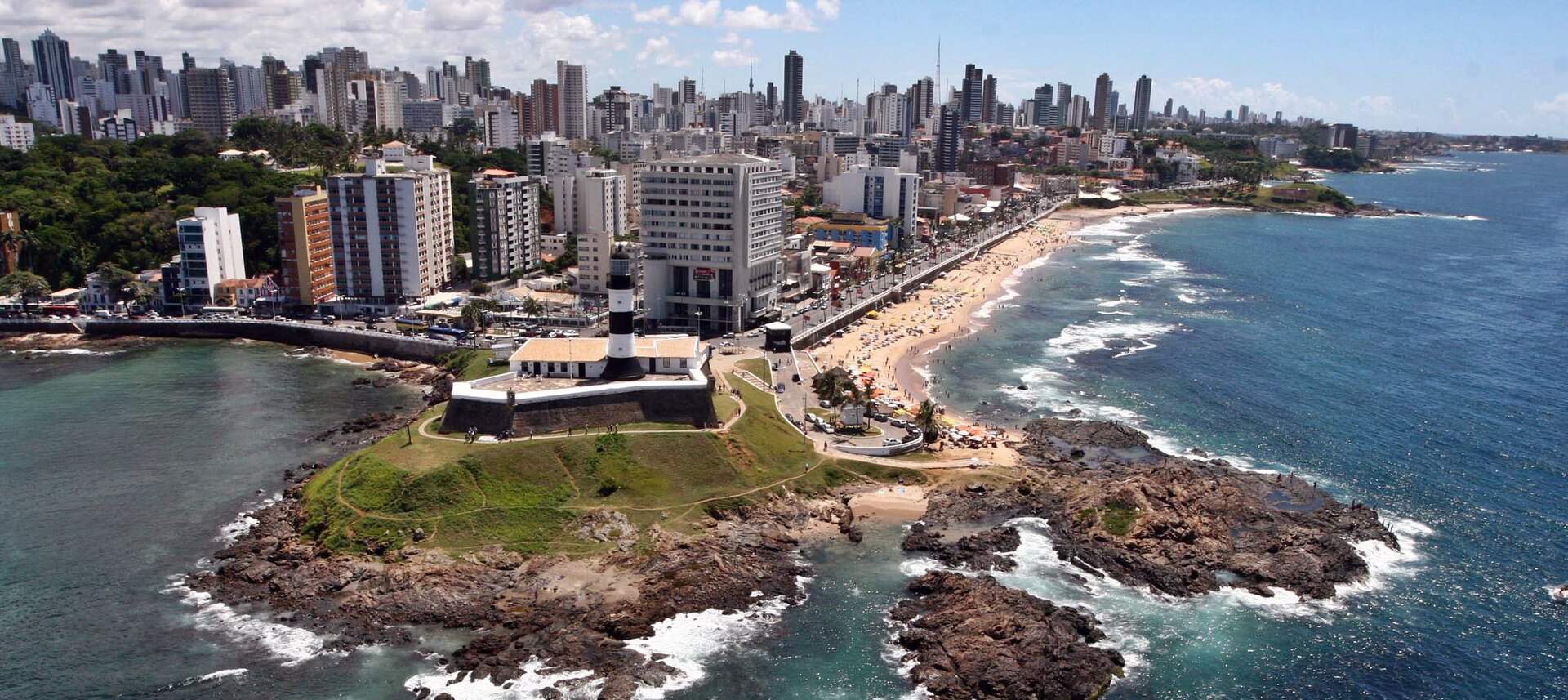
Where to land for Salvador
Deputado Luiz Eduardo Magalhães International Airport (SSA / SBSV) is a gateway to consider for Salvador. The selected gateway is about 18 km in a straight line from the guide's reference location. The road or onward-air journey will be longer and depends on the final address. Choose the airport together with the hotel, lodge or meeting location, rather than simply selecting the closest name on a map.
Airport options and trade-offs| Airport | Location and access | Private aviation planning |
|---|
| Deputado Luiz Eduardo Magalhães International AirportSSA / SBSV | The selected gateway is about 18 km in a straight line from the guide's reference location. The road or onward-air journey will be longer and depends on the final address. | For an international arrival, have the operator coordinate border clearance, handling and the approved passenger entry point before departure. Ask the operator to confirm runway performance for the aircraft, payload and weather, together with parking, handling and any operating permissions. Airport listings describe the location; they do not establish a live slot or aircraft acceptance. |
|---|
Airport transfers and getting around
From the airport to your stay
Arrange the final transfer before the flight is confirmed. Give the driver or onward operator the handling location, flight details and actual property address. Leave room between landing and a timed tour or meeting, especially when arrival includes border formalities.
Ask the operating carrier to confirm aircraft suitability, handling and permissions for the actual itinerary. For budgeting, see our private jet charter cost guide.
History of Salvador
Salvador became Portuguese Brazil's first colonial capital in 1549. Its port and plantation economy were deeply connected to the transatlantic slave trade. Afro-Brazilian cultural traditions remain central to its music, religion, food and public life.
The Portuguese founded Salvador in 1549 as the first colonial capital of Brazil. Port commerce and sugar plantations generated wealth through enslaved African labour, creating deep African influences in religion, food, music and community life.
The capital later moved to Rio de Janeiro, but Salvador retained regional importance. Conservation and tourism changed uses within the historic centre, whose heritage includes both grand buildings and histories of exploitation and resistance.
Interesting facts
- The upper and lower cities occupy different levels above the bay.
- Pelourinho's name recalls a pillory, linking the district's history with slavery and punishment.