Your journey
Private jet to Lamu
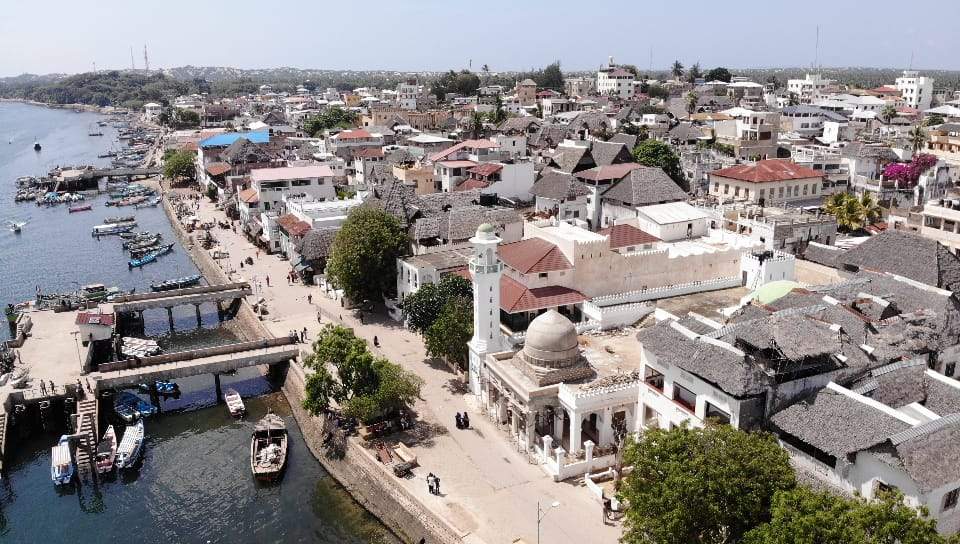
Lamu offers a slower island stay centred on Swahili architecture, waterfront life and sailing. The airport is on Manda Island, so reaching Lamu or Shela requires a separate transfer. Lamu Old Town is best explored at an unhurried pace, with its architecture and waterfront forming the core of the visit. Shela offers another island setting, while a dhow outing can add time on the water. Coordinate excursions around local tides, wind and the selected operator.
Lamu at a glance
- Suggested stay
- Four nights
- Best suited to
- Swahili culture and quiet island leisure
Where to land for Lamu
Manda Airport is on Manda Island and serves the Lamu archipelago with smaller-aircraft operations. A larger-aircraft arrival through a gateway such as Mombasa requires a separate onward leg, followed by the appropriate boat or property transfer.
Airport options and trade-offs| Airport | Location and access | Private aviation planning |
|---|
| Manda AirportLAU / HKLU | Manda Island | The local gateway; most Lamu and Shela stays require an onward boat transfer. |
|---|
| Moi International AirportMBA / HKMO | Mombasa | An international gateway for a separately arranged onward connection. |
|---|
Private terminals and arrival experience
A fixed-base operator (FBO) provides ground services for private aircraft and their passengers. The handling team coordinates your arrival; airport opening hours alone do not establish terminal or border-service availability.
Manda Airport
Arrange the arrival
Coordinate aircraft arrival, boat collection and hotel landing point, including luggage assistance and daylight preferences.
Airport transfers and getting around
Lamu
Match transport to the itinerary
Lamu, Shela and Manda are different bases. Boats connect them, while narrow town lanes are explored on foot.
Ask the operating carrier to confirm aircraft suitability, handling and permissions for the actual itinerary. For budgeting, see our private jet charter cost guide.
History of Lamu
Lamu developed as a Swahili town within Indian Ocean trade, with African, Arab and other influences shaping its built environment. Its old streets and courtyard houses preserve that maritime history. The archipelago's communities have distinct identities beyond the town itself.
Lamu developed within the Swahili trading world, connecting the East African coast with Arabia, India and other Indian Ocean regions. Stone houses, courtyards and mosques record a culture rooted in African communities and maritime exchange.
Portuguese, Omani and British influence affected the wider coast without erasing local institutions. Later conservation recognised an old town whose narrow streets remain places of residence, worship and trade rather than simply monuments.
Interesting facts
- Traditional Swahili doors combine craftsmanship with clues to a building's social history.
- Lamu town and the wider Lamu archipelago are different geographical scales.