
A private jet can cost less than $1 million on parts of the older pre-owned market or more than $80 million for a new, purpose-built ultra-long-range business jet. But the acquisition price is only the first line of the budget. Crew, fuel, maintenance, engine reserves, insurance, hangarage, management, financing and depreciation can add hundreds of thousands or several million dollars every year.
For buyers, the useful question is not simply “How much is a private jet?” It is “What will this aircraft cost to acquire, operate and eventually sell over the period I expect to own it?” BizJet Journal’s Aircraft Sales & Ownership guide covers the wider acquisition process; this article focuses specifically on the numbers behind purchase price and total cost of ownership.
The figures below are planning references rather than quotations. New-aircraft prices can change with configuration and delivery timing, pre-owned prices depend on the individual airframe, and operating expenses vary with utilization, fuel, maintenance status, geography and how the aircraft is managed.
Private Jet Cost at a Glance
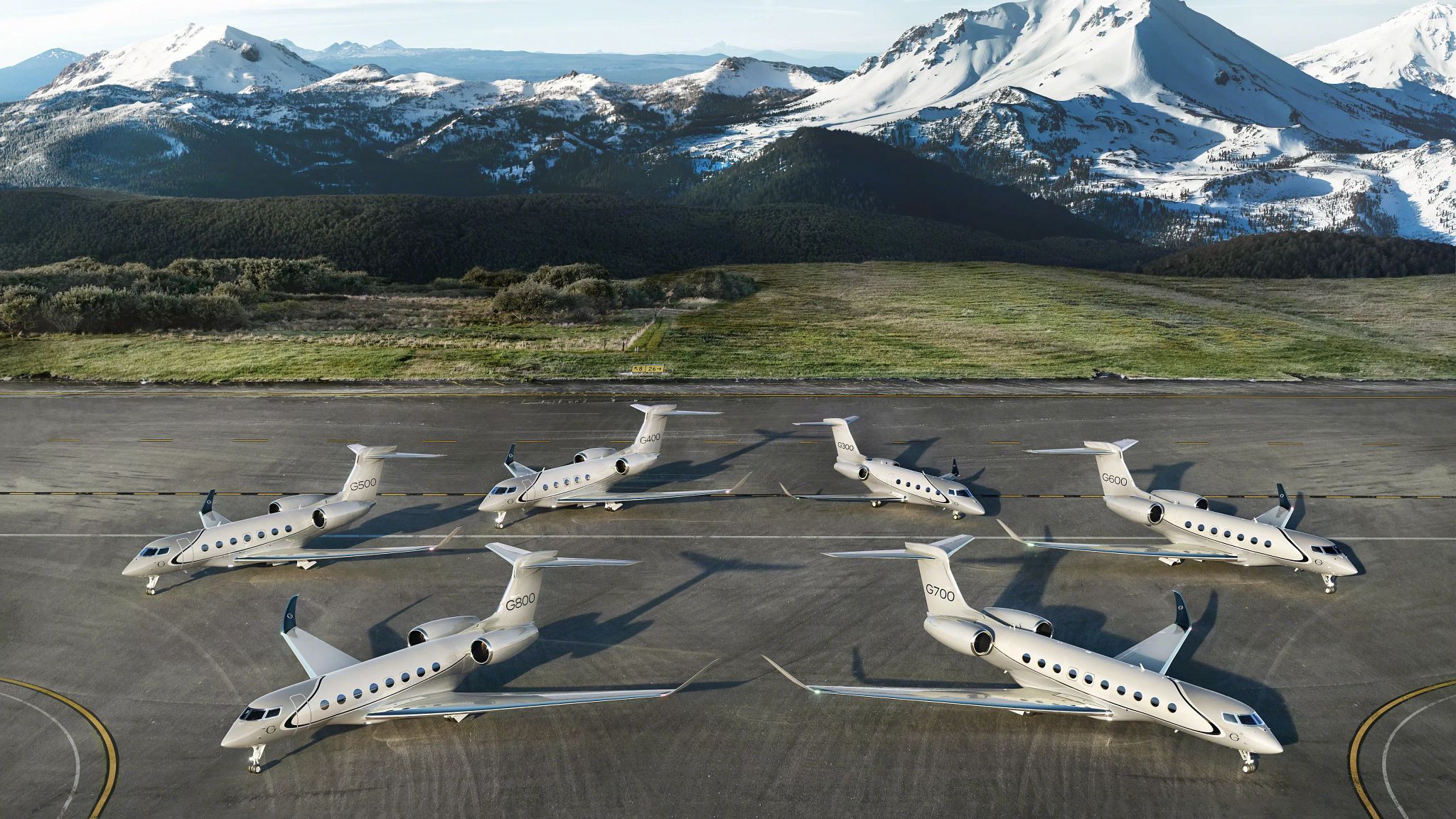
Aviation Week’s 2026 Business & Commercial Aviation Purchase Planning Handbook illustrates the spread in current-production business-jet pricing. Its “BCA Equipped Price” is a current-year planning figure for the next available delivery and may differ from a manufacturer quote or a specific transaction.
| Aircraft | Broad class | 2026 BCA equipped price |
|---|---|---|
| Citation M2 Gen2 | Entry / light jet | $6.995 million |
| Phenom 300E | Light jet | $13.395 million |
| Pilatus PC-24 | Light / versatile business jet | $14.295 million |
| Bombardier Global 6500 | Ultra-long-range | $61.0 million |
| Gulfstream G600 | Ultra-long-range | $63.5 million |
| Dassault Falcon 8X | Ultra-long-range | $69.7 million |
| Gulfstream G800 | Ultra-long-range | $80.4 million |
| Gulfstream G700 | Ultra-long-range | $84.9 million |
The pre-owned market stretches much lower. In September 2026, live Controller listings included older business jets with asking prices below $1 million. An asking price, however, is not the same as a completed sale price, and an inexpensive acquisition can become expensive if the aircraft is close to major inspections, engine work or avionics upgrades.
How Much Does It Cost to Buy a Private Jet?
For a new purpose-built business jet, the practical 2026 range begins at roughly $7 million for an entry-level aircraft such as the Citation M2 Gen2 and rises toward $85 million for the Gulfstream G700. Larger VIP airliners are a separate market because the green aircraft, completion, engineering and cabin fit-out can create a very different cost structure.
New private jets
Buying new generally provides the latest avionics and cabin systems, manufacturer warranty coverage, a known maintenance starting point and greater control over the interior specification. The trade-off is obvious: more capital is tied up in the aircraft, and popular programs may have long delivery positions. Aviation Week notes that its handbook price estimates are based on first-quarter current-year dollars for the next available delivery and that future-year delivery pricing can be higher.
Pre-owned private jets
A pre-owned aircraft may offer substantially lower acquisition cost and faster availability, but the model name and year do not tell the whole story. Two jets built in the same year can have very different values because of total time, cycles, engine status, maintenance programs, inspection history, cabin condition, avionics, connectivity upgrades, damage history and records quality.
This is where buyers should separate “cheap to buy” from “cheap to own.” A discounted large-cabin jet can still carry the fuel burn, crew requirements and maintenance exposure of a large-cabin jet. The acquisition price may have depreciated dramatically while the cost of maintaining the aircraft has not.
What Determines the Price of a Private Jet?
Aircraft size is only one price driver. Range, cabin volume, runway performance, payload capability, production status, market demand and technology all influence what a buyer pays. For a pre-owned aircraft, the maintenance position can be just as important as the model itself.
A buyer should therefore start with the mission rather than the prestige of the aircraft. How many passengers normally travel? How much baggage is carried? Which airports are used? How often is true intercontinental range required? Is a stand-up cabin essential? How much runway is available at the airports that matter?
If several models appear suitable, use the Aircraft Comparisons tool to compare source-published range, cabin, payload and runway figures before narrowing the shortlist. The objective is not to buy the aircraft with the biggest headline numbers; it is to buy enough aircraft for the missions that justify ownership without carrying unnecessary cost on every routine trip.
How Much Does It Cost to Own a Private Jet Per Year?
Annual ownership cost is normally divided into fixed and variable expenses, but a complete budget should also include capital and lifecycle costs. Leaving out depreciation, financing and major future events can make ownership look cheaper than it really is.
Current sample budgets from Liberty Jet show the scale. A Citation XLS flown 200 hours per year is estimated at about $940,640 in annual operating cost, rising to about $1.49 million at 400 hours. A Challenger 605 is estimated at about $1.35 million for 200 hours and $2.15 million for 400 hours. Those sample budgets explicitly exclude aircraft purchase price, depreciation and cost of capital.
| Aircraft | 200 hours/year | 400 hours/year |
|---|---|---|
| Citation XLS | $940,640 | $1,493,484 |
| Challenger 605 | $1,350,513 | $2,145,480 |
Fixed costs
Fixed costs are the expenses that continue even when the aircraft is not flying. Typical examples include flightcrew compensation, recurrent training, hangarage, insurance, aircraft management, software and navigation subscriptions, accounting and administrative support. The mix varies by aircraft and by whether the owner runs an in-house flight department or uses a management company.
Variable costs
Variable costs rise with utilization. Fuel is usually one of the largest line items, particularly on older or larger aircraft. Maintenance labor and parts, engine and APU reserves, landing and handling charges, crew travel, catering, cleaning and other trip-specific expenses also accumulate as the aircraft flies more hours and cycles.
Depreciation, financing and lifecycle costs
The operating budget is not the same as the ownership budget. Financing expense, depreciation, transaction costs, upgrades, paint and interior refurbishment, major inspections and eventual remarketing can materially change the economics. A jet that appears competitive on direct operating cost may be less attractive after the expected resale position and capital tied up in the aircraft are included.
Why Maintenance Status Can Change the Economics of a “Cheap” Jet
Maintenance is where a low acquisition price can become misleading. Business jets are maintained against calendar intervals, flight hours, cycles and component limits. Engines and APUs may also be covered by hourly programs that shift some future maintenance exposure into predictable payments.
Before purchase, the buyer needs to know what is due not only what has already been completed. An aircraft priced below comparable examples may be approaching a major inspection, engine event, landing-gear work or expensive compliance item. Records gaps can create another problem because buyers and future buyers may discount what cannot be reliably documented.
For pre-owned research, distinguish the aircraft model from the individual airframe. BizJet Journal’s Aircraft Database is structured around individual registrations and source-labeled records, while model pages and comparisons cover specifications. A purchase decision ultimately concerns a specific serial number, not an average example of the type.
How Much Does It Cost to Charter a Private Jet Instead?
For travelers who do not need dedicated aircraft access, charter removes the capital commitment and most fixed ownership expenses. The customer pays for the trip rather than supporting an aircraft year-round.
Hourly figures for charter can vary widely by aircraft. Costs ranging from about $2,037 per hour for a Citation Mustang to $4,207 for a Citation XLS, $7,060 for a Legacy 600 and $8,841 for a Global Express. These figures are useful for scale, but an hourly rate is not the final trip price.
Positioning, minimum billable time, airport fees, overnight crew costs, international handling, taxes, de-icing and aircraft availability can all affect the quote. BizJet Journal’s private jet charter costs page explains those components and includes an indicative route estimator. For the booking process, aircraft selection and broker/operator roles, see the separate Private Jet Charter guide.
What About Fractional Ownership and Jet Cards?
Whole ownership and ad-hoc charter are not the only ways to access business aviation. Fractional ownership and jet cards can suit travelers who fly repeatedly but do not want the full responsibility of owning and operating an entire aircraft.
In a traditional fractional arrangement, the customer acquires an interest in an aircraft or program and receives an annual allocation of flight time. Allocations commonly ranges from about 50 to 400 hours per year, while large programs can structure access in smaller increments; NetJets currently advertises shares in 25-hour increments.
Fractional costs can include an initial capital commitment, monthly management fees, occupied hourly charges and other program-specific fees. The details matter more than the label, so review the fractional jet ownership guide before comparing the structure with whole ownership.
A jet card generally offers repeat access through prepaid hours, funds on account or a membership-style program. It can simplify booking, but the advertised hourly rate should be read together with service area, minimums, peak-day rules, fuel adjustments, availability commitments, expiry and refund provisions.
When Does Buying a Private Jet Make Sense?
There is no universal annual-hours threshold at which every traveler should buy a jet. A rule such as “buy above 200 hours” can be a useful conversation starter, but it ignores mission complexity, short-notice requirements, route geography, aircraft category, financing, tax circumstances, management structure and the value placed on guaranteed control of the asset.
Two users flying the same number of hours can reasonably choose different access models. One may fly predictable routes where charter aircraft are widely available. Another may require repeated multi-stop missions, remote airports, specialized cabin equipment, carriage of sensitive materials or a schedule that makes dedicated availability more valuable.
The better comparison models the actual annual travel pattern across whole ownership, fractional access, jet cards and charter. Include replacement lift during maintenance downtime and the cost of capital, not just fuel and a headline hourly rate.
Is a Private Jet a Good Investment?
A private jet is usually better viewed as a business or travel asset than as an appreciating financial investment. Aircraft values move with age, condition, supply, demand and macroeconomic cycles, but depreciation remains a central ownership consideration over time.
The economic case for ownership often comes from utility: reaching airports with limited airline service, combining several meetings into one day, controlling departure times, keeping teams together, reducing connection risk and creating a consistent working environment. Those benefits can be highly valuable even when the aircraft itself loses value.
Owners considering third-party charter should also avoid treating charter revenue as guaranteed profit. Charter can offset some costs in the right operating structure, but it introduces additional utilization, maintenance, scheduling and regulatory considerations. The core ownership case should still work without assuming that the aircraft will “pay for itself.”
Questions to Ask Before Buying a Private Jet
Before focusing on a specific aircraft, build a cost model around the missions the aircraft must perform. The following questions help expose expenses that a purchase price alone cannot show:
- What are the normal city pairs, passenger counts, baggage requirements and annual flight hours?
- Which airports matter, and what runway, weather or operating constraints affect the mission?
- What inspections, engine events, component limits or upgrades are due during the intended ownership period?
- Will the owner employ a flight department or use an aircraft management company?
- How will financing, depreciation, taxes, downtime and replacement travel be treated in the budget?
- What is the expected resale market, and how will the aircraft’s records, configuration and maintenance status affect the exit?
The broader Aircraft Sales & Ownership guide covers mission planning, acquisition teams, pre-purchase inspection, management and resale considerations in more detail.
The Bottom Line: How Much Does a Private Jet Really Cost?
In 2026, the private-jet market spans from older pre-owned aircraft with asking prices below $1 million to new purpose-built business jets approaching $85 million. For a buyer, however, acquisition cost is only the beginning.
A Citation XLS can carry an illustrative annual operating budget of roughly $940,000 at 200 flight hours, while a Challenger 605 can exceed $1.35 million under comparable sample assumptions—and those figures still exclude the purchase price, depreciation and financing. Larger, newer and more complex aircraft can require substantially more capital across the ownership lifecycle.
The right aircraft is therefore not the cheapest jet on the market or the most capable one available. It is the aircraft whose acquisition cost, mission capability, maintenance position and long-term operating budget make sense for the way the owner actually intends to fly.
Frequently Asked Questions About Private Jet Costs
How much is the cheapest private jet?
Older pre-owned business jets can appear on the market for less than $1 million. That does not mean they are inexpensive to operate. A low-priced aircraft may face significant engine, inspection, avionics or refurbishment costs, so the maintenance position and records should be evaluated alongside the asking price.
How much does a new private jet cost in 2026?
Current-production purpose-built business jets span a very wide range. Citation M2 Gen2 at about $6.995 million, the Phenom 300E at $13.395 million, the Gulfstream G800 at $80.4 million and the G700 at $84.9 million on its BCA equipped-price basis.
How much does it cost to own a private jet per year?
It depends on aircraft type and utilization. Estimates can be about $940,640 per year for a Citation XLS flown 200 hours and about $1.35 million for a Challenger 605 at the same utilization. These examples exclude acquisition cost, depreciation and financing.
How much does a private jet cost per hour?
The answer depends on whether you mean operating cost or charter price. Charter rates vary by aircraft and market; examples range from roughly $2,000 per hour for a very light jet to nearly $12,000 per hour for an ultra-long-range type. Final trip quotes can be higher because they include route-specific costs and positioning.
Is it cheaper to own or charter a private jet?
Charter usually requires less capital and avoids most fixed ownership costs. Ownership can make sense when the traveler values dedicated availability, control and mission capability enough to justify the fixed and lifecycle expense. The correct comparison uses the traveler’s actual annual itinerary rather than a single flight-hour threshold.
Can charter revenue pay for a privately owned jet?
Charter revenue can offset some ownership expenses when the aircraft is placed in an appropriate commercial operating structure, but it should not be assumed to eliminate the cost of ownership. Revenue depends on market demand and owner availability, while additional flying also increases maintenance, cycles and scheduling complexity.
What is usually the biggest cost of private jet ownership?
There is no universal single largest expense. Fuel, crew, maintenance and engine reserves can dominate the operating budget depending on the aircraft. Over the full ownership period, depreciation and cost of capital can also be major expenses even though they are often omitted from simple hourly-cost calculations.