Where to land for Tunis
Tunis Carthage International Airport (TUN / DTTA) is a gateway to consider for Tunis. The selected gateway is about 6 km in a straight line from the guide's reference location. The road or onward-air journey will be longer and depends on the final address. Choose the airport together with the hotel, lodge or meeting location, rather than simply selecting the closest name on a map.
Airport options and trade-offs| Airport | Location and access | Private aviation planning |
|---|
| Tunis Carthage International AirportTUN / DTTA | The selected gateway is about 6 km in a straight line from the guide's reference location. The road or onward-air journey will be longer and depends on the final address. | For an international arrival, have the operator coordinate border clearance, handling and the approved passenger entry point before departure. Ask the operator to confirm runway performance for the aircraft, payload and weather, together with parking, handling and any operating permissions. Airport listings describe the location; they do not establish a live slot or aircraft acceptance. |
|---|
Airport transfers and getting around
From the airport to your stay
Arrange the final transfer before the flight is confirmed. Give the driver or onward operator the handling location, flight details and actual property address. Leave room between landing and a timed tour or meeting, especially when arrival includes border formalities.
Ask the operating carrier to confirm aircraft suitability, handling and permissions for the actual itinerary. For budgeting, see our private jet charter cost guide.
History of Tunis
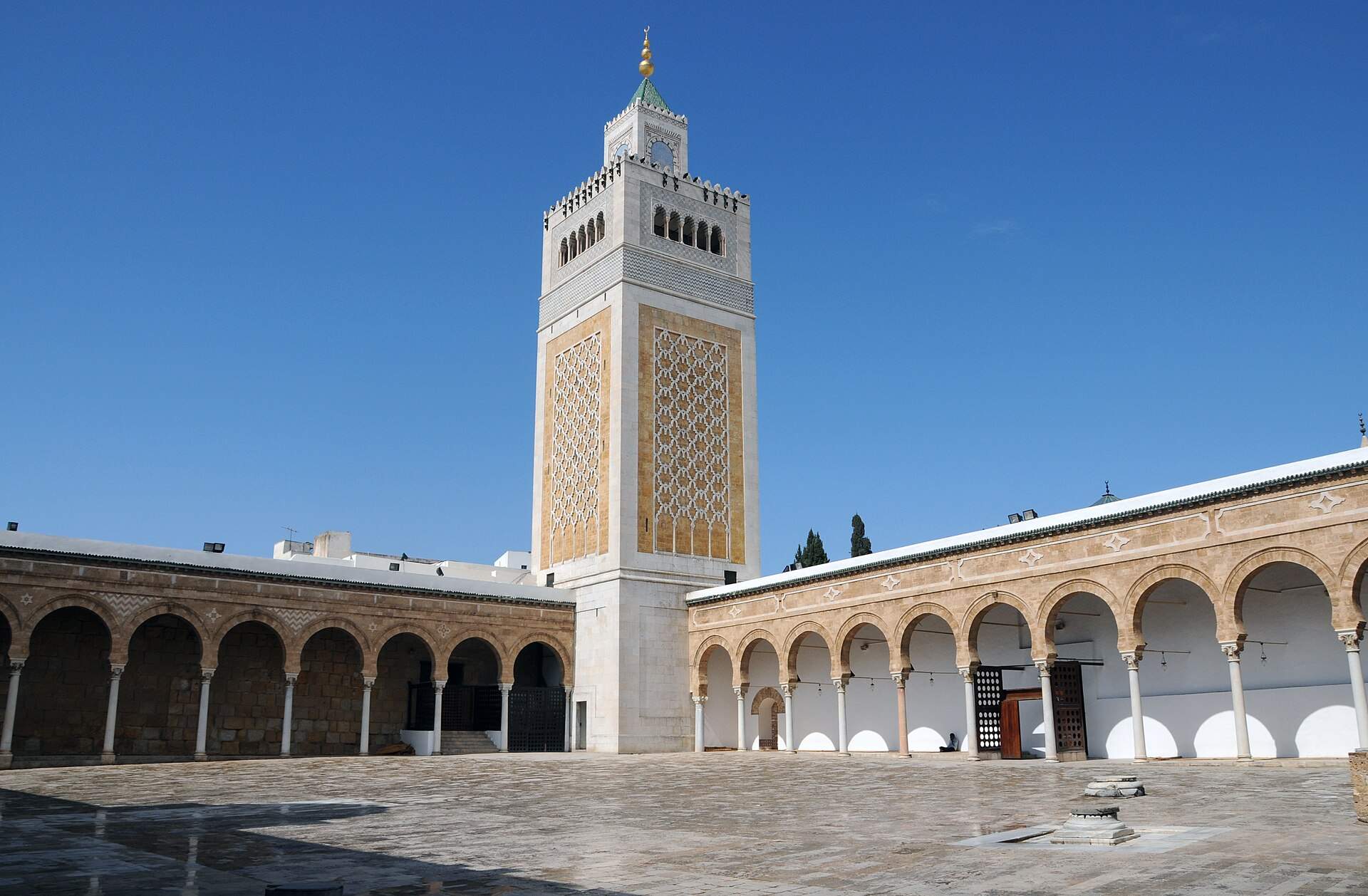
Tunis grew beside a region shaped by ancient Carthage and later Roman and Islamic rule. Its medina developed as a major political, religious and trading centre. French colonial expansion introduced another city district before Tunisia's independence.
Ancient settlement and proximity to Carthage preceded Tunis's rise as an Islamic political and commercial centre. The medina developed around religious institutions, markets and residential quarters under successive dynasties.
Ottoman influence and the French protectorate added later architectural and administrative layers. Independence in 1956 gave the city a national capital role, while modern expansion spread far beyond the historic core.
Interesting facts
- Carthage is a distinct archaeological area within the wider metropolitan region.
- The medina and the newer boulevard districts reflect different urban planning traditions.