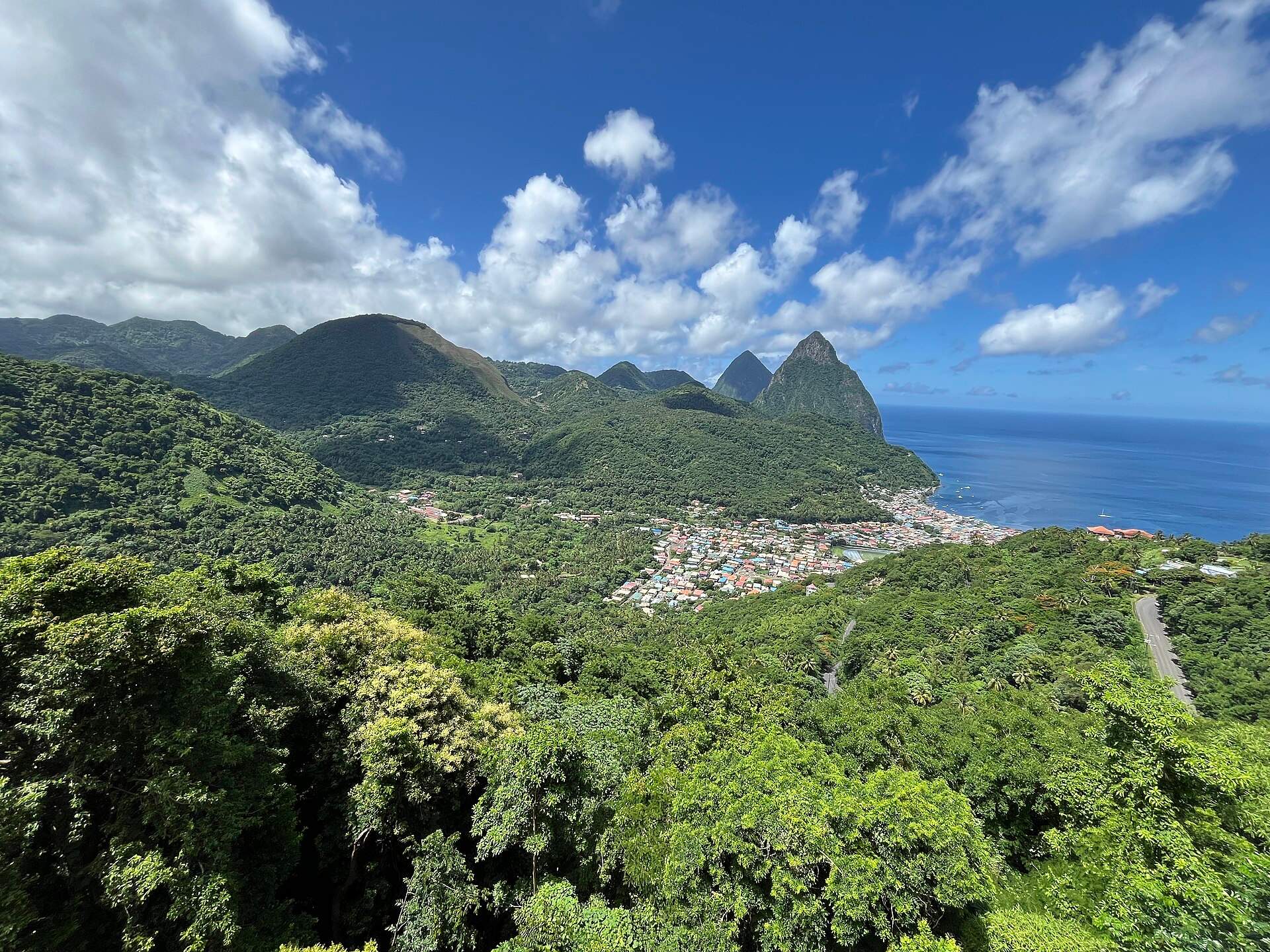
Where to land for St. Lucia
Hewanorra International Airport (UVF / TLPL) is a gateway to consider for St. Lucia. The selected gateway is about 17 km in a straight line from the guide's reference location. The road or onward-air journey will be longer and depends on the final address. Choose the airport together with the hotel, lodge or meeting location, rather than simply selecting the closest name on a map.
Airport options and trade-offs| Airport | Location and access | Private aviation planning |
|---|
| Hewanorra International AirportUVF / TLPL | The selected gateway is about 17 km in a straight line from the guide's reference location. The road or onward-air journey will be longer and depends on the final address. | For an international arrival, have the operator coordinate border clearance, handling and the approved passenger entry point before departure. Ask the operator to confirm runway performance for the aircraft, payload and weather, together with parking, handling and any operating permissions. Airport listings describe the location; they do not establish a live slot or aircraft acceptance. |
|---|
Airport transfers and getting around
From the airport to your stay
Arrange the final transfer before the flight is confirmed. Give the driver or onward operator the handling location, flight details and actual property address. Leave room between landing and a timed tour or meeting, especially when arrival includes border formalities. If the stay needs a smaller aircraft, boat or specialist vehicle, treat that as a separate connection with its own baggage allowance and operating conditions.
Ask the operating carrier to confirm aircraft suitability, handling and permissions for the actual itinerary. For budgeting, see our private jet charter cost guide.
History of St. Lucia
Saint Lucia's Indigenous communities were followed by a prolonged contest between French and British colonial powers. Plantation production and slavery shaped much of that period. Independence came in 1979, while the island's French Creole influences remain visible in language and culture.
Indigenous communities preceded a long period of competition between French and British colonial powers. Sugar production relied on enslaved African labour, while changing control left influences in language, religion and place names.
British rule ultimately prevailed before independence in 1979. Tourism later expanded around beaches and volcanic scenery, but fishing communities, plantation landscapes and Creole traditions preserve a much broader island history.
Interesting facts
- The Pitons are volcanic formations rather than ordinary coastal hills.
- Kwéyòl reflects the island's French-based Creole linguistic heritage.