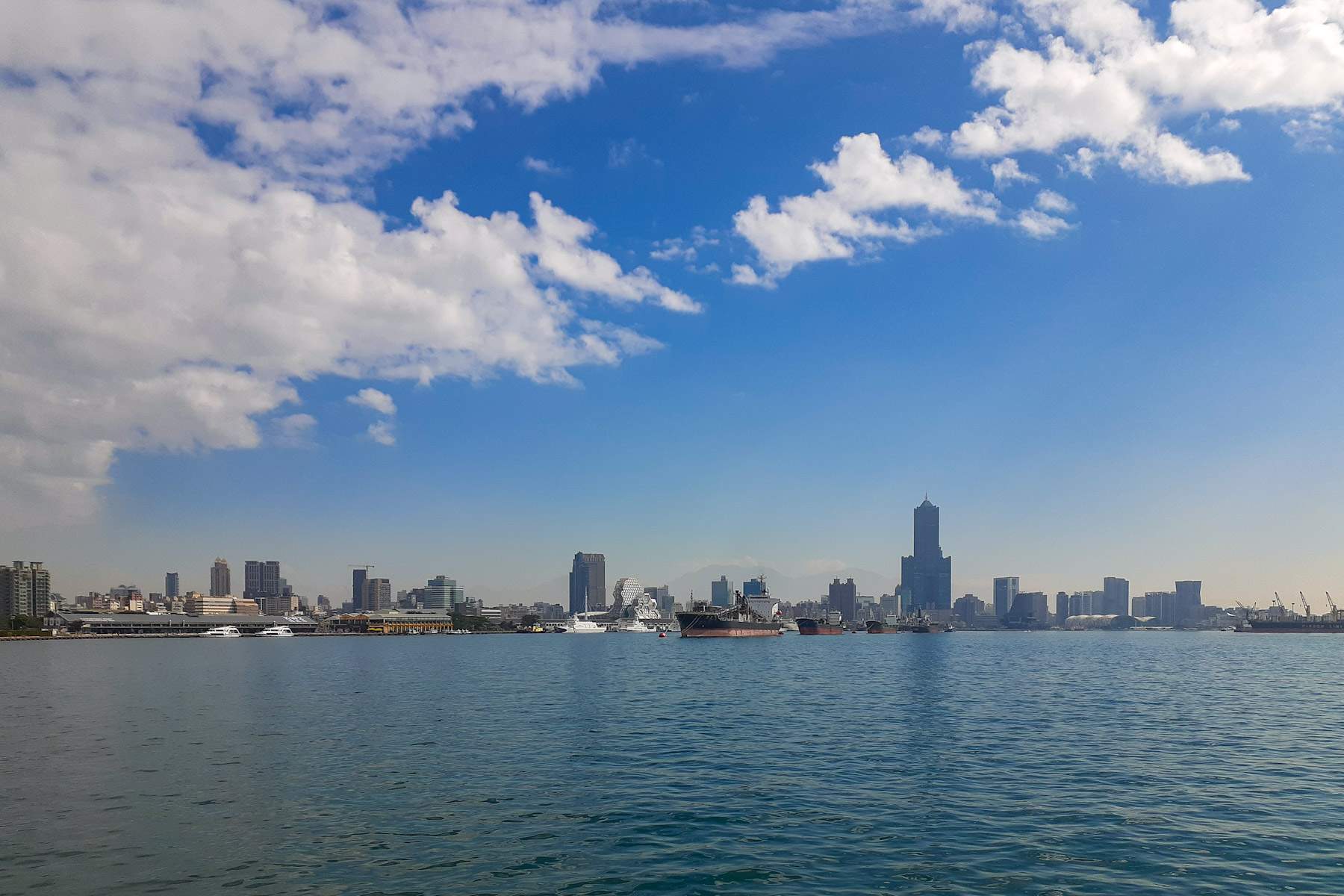
Where to land for Kaohsiung
Kaohsiung International Airport (KHH / RCKH) is a gateway to consider for Kaohsiung. The selected gateway is about 7 km in a straight line from the guide's reference location. The road or onward-air journey will be longer and depends on the final address. Choose the airport together with the hotel, lodge or meeting location, rather than simply selecting the closest name on a map.
Airport options and trade-offs| Airport | Location and access | Private aviation planning |
|---|
| Kaohsiung International AirportKHH / RCKH | The selected gateway is about 7 km in a straight line from the guide's reference location. The road or onward-air journey will be longer and depends on the final address. | For an international arrival, have the operator coordinate border clearance, handling and the approved passenger entry point before departure. Ask the operator to confirm runway performance for the aircraft, payload and weather, together with parking, handling and any operating permissions. Airport listings describe the location; they do not establish a live slot or aircraft acceptance. |
|---|
Airport transfers and getting around
From the airport to your stay
Arrange the final transfer before the flight is confirmed. Give the driver or onward operator the handling location, flight details and actual property address. Leave room between landing and a timed tour or meeting, especially when arrival includes border formalities.
Ask the operating carrier to confirm aircraft suitability, handling and permissions for the actual itinerary. For budgeting, see our private jet charter cost guide.
History of Kaohsiung
Kaohsiung developed from a settlement known as Takau in an area with Indigenous communities. Port expansion under Japanese administration and later industrial growth reshaped the city. Recent waterfront redevelopment has introduced cultural uses beside its maritime economy.
The port settlement formerly known as Takao developed through fishing and regional trade. Japanese colonial administration expanded harbour facilities and industry, establishing foundations for the city's later economic role.
Post-war manufacturing and heavy industry drove rapid growth. More recent waterfront redevelopment has reused warehouses and former industrial land, adding cultural districts without removing the working port from the city's identity.
Interesting facts
- The name Kaohsiung reflects the Mandarin reading of characters used during Japanese rule.
- Pier-2's arts spaces occupy former harbour warehouses.