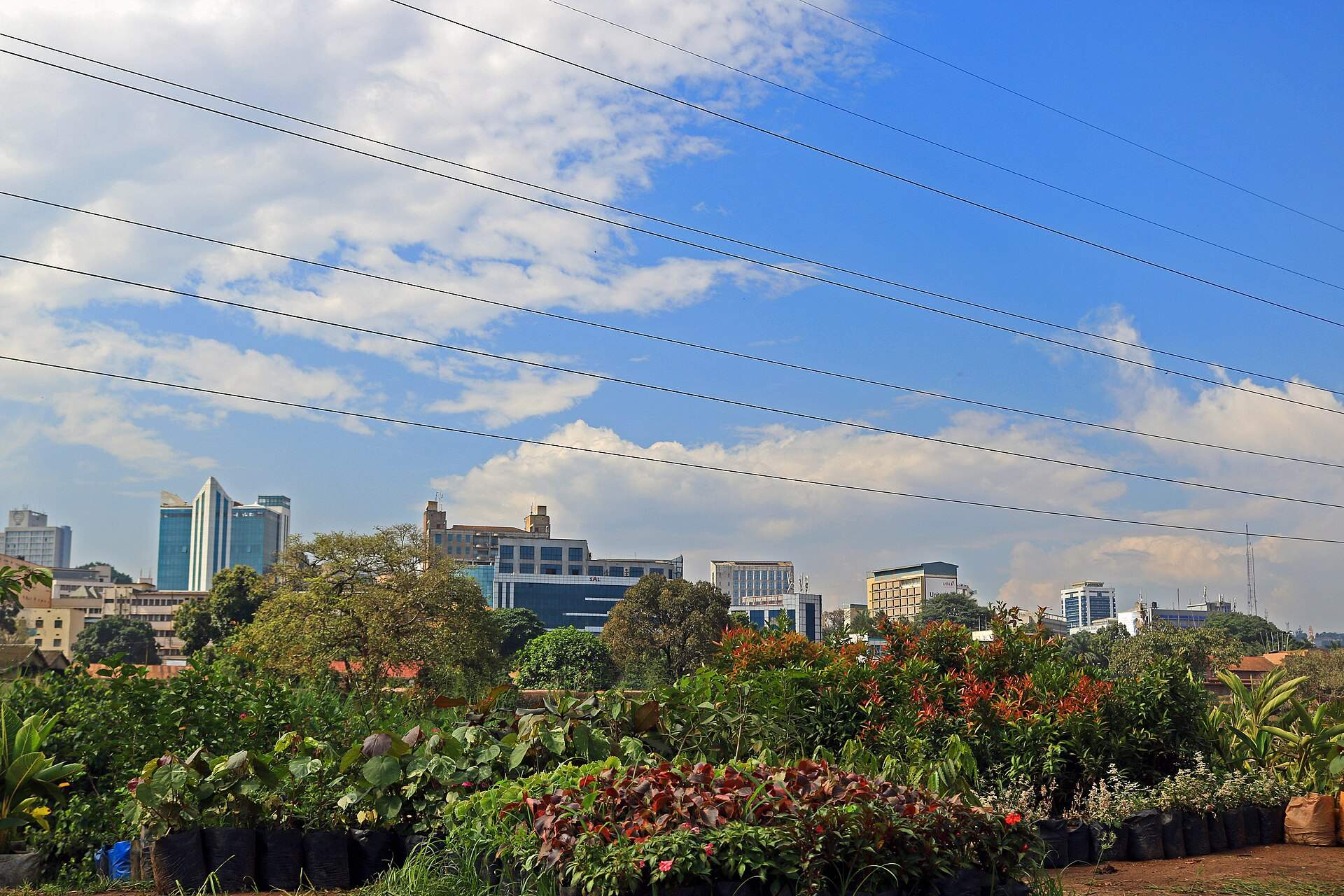
Where to land for Kampala
Entebbe International Airport (EBB / HUEN) is a gateway to consider for Kampala. The selected gateway is about 34 km in a straight line from the guide's reference location. The road or onward-air journey will be longer and depends on the final address. Choose the airport together with the hotel, lodge or meeting location, rather than simply selecting the closest name on a map.
Airport options and trade-offs| Airport | Location and access | Private aviation planning |
|---|
| Entebbe International AirportEBB / HUEN | The selected gateway is about 34 km in a straight line from the guide's reference location. The road or onward-air journey will be longer and depends on the final address. | For an international arrival, have the operator coordinate border clearance, handling and the approved passenger entry point before departure. Ask the operator to confirm runway performance for the aircraft, payload and weather, together with parking, handling and any operating permissions. Airport listings describe the location; they do not establish a live slot or aircraft acceptance. |
|---|
Airport transfers and getting around
From the airport to your stay
Arrange the final transfer before the flight is confirmed. Give the driver or onward operator the handling location, flight details and actual property address. Leave room between landing and a timed tour or meeting, especially when arrival includes border formalities.
Ask the operating carrier to confirm aircraft suitability, handling and permissions for the actual itinerary. For budgeting, see our private jet charter cost guide.
History of Kampala
Kampala grew within the heartland of the Buganda kingdom, where royal capitals occupied different hills. Colonial administration and later national government expanded the city. Its royal, religious and commercial sites reflect that layered history.
Hills associated with the Buganda kingdom formed the setting for colonial Kampala. The British trading and administrative post established in the late nineteenth century grew beside existing royal and religious centres.
The city became Uganda's capital at independence in 1962. Political upheaval and later commercial expansion reshaped its neighbourhoods, while royal sites and places of worship preserve the importance of the hills in its older geography.
Interesting facts
- The Kasubi Tombs are associated with the kings of Buganda.
- Kampala's traditional description as a city of seven hills reflects its earlier urban extent.