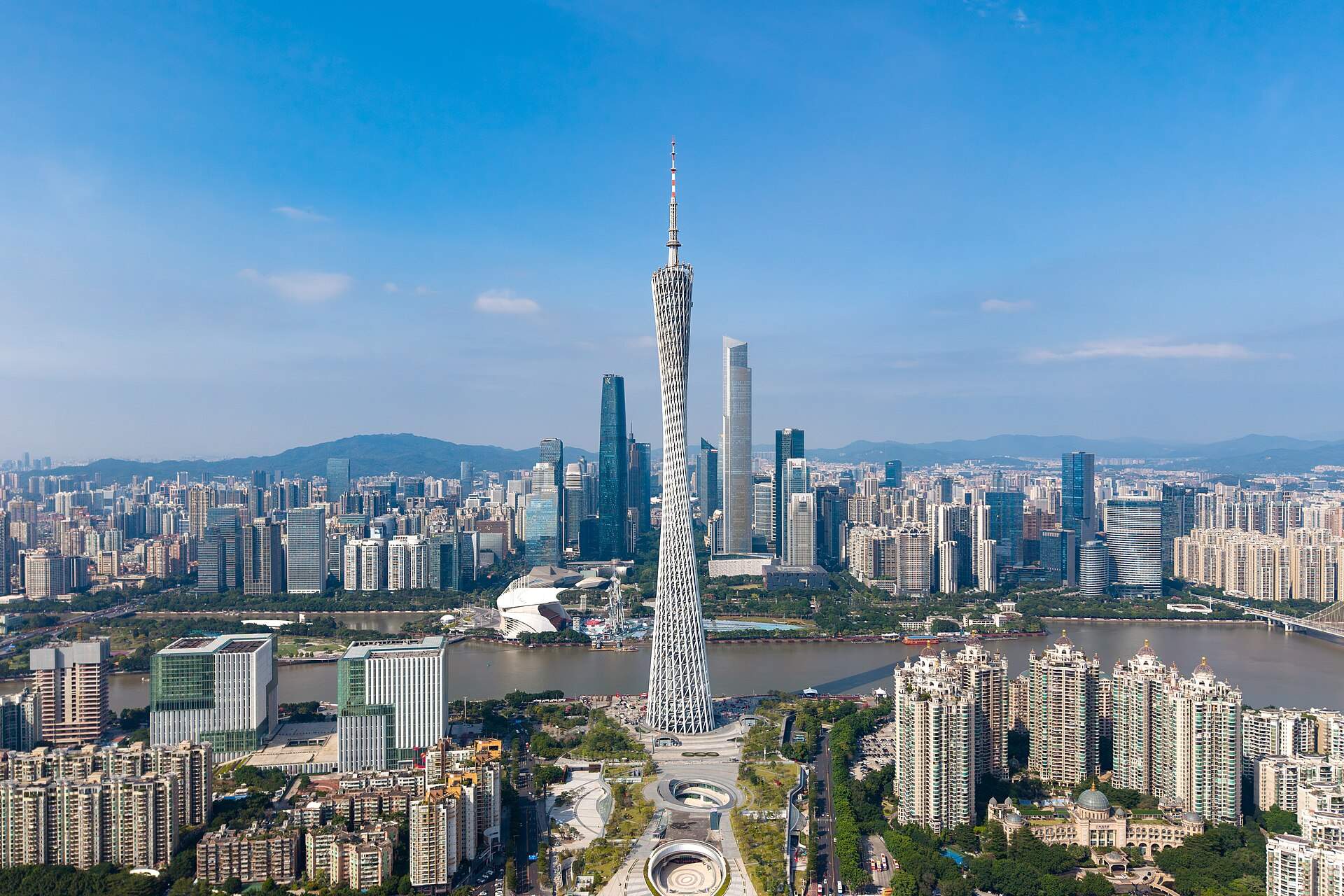
Where to land for Guangzhou
Guangzhou Baiyun International Airport (CAN / ZGGG) is a gateway to consider for Guangzhou. The selected gateway is about 29 km in a straight line from the guide's reference location. The road or onward-air journey will be longer and depends on the final address. Choose the airport together with the hotel, lodge or meeting location, rather than simply selecting the closest name on a map.
Airport options and trade-offs| Airport | Location and access | Private aviation planning |
|---|
| Guangzhou Baiyun International AirportCAN / ZGGG | The selected gateway is about 29 km in a straight line from the guide's reference location. The road or onward-air journey will be longer and depends on the final address. | For an international arrival, have the operator coordinate border clearance, handling and the approved passenger entry point before departure. Ask the operator to confirm runway performance for the aircraft, payload and weather, together with parking, handling and any operating permissions. Airport listings describe the location; they do not establish a live slot or aircraft acceptance. |
|---|
Airport transfers and getting around
From the airport to your stay
Arrange the final transfer before the flight is confirmed. Give the driver or onward operator the handling location, flight details and actual property address. Leave room between landing and a timed tour or meeting, especially when arrival includes border formalities.
Ask the operating carrier to confirm aircraft suitability, handling and permissions for the actual itinerary. For budgeting, see our private jet charter cost guide.
History of Guangzhou
Guangzhou has a long history as a southern Chinese trading centre, with maritime exchange connecting it to other regions over many centuries. Its later role in foreign commerce gave it international importance. Modern business districts developed around a city with substantial older neighbourhoods and institutions.
Guangzhou's harbour connected southern China with overseas merchants for many centuries. During the Qing period, the Canton trade system concentrated much Western maritime commerce here under tightly regulated arrangements.
The Opium Wars disrupted that system, while revolutionary movements later gave the city major political significance. Manufacturing, migration and Pearl River Delta integration subsequently transformed a port with deep commercial traditions into a vast modern metropolis.
Interesting facts
- Canton is the older English name associated with Guangzhou.
- Shamian Island preserves buildings connected with the former foreign concession area.