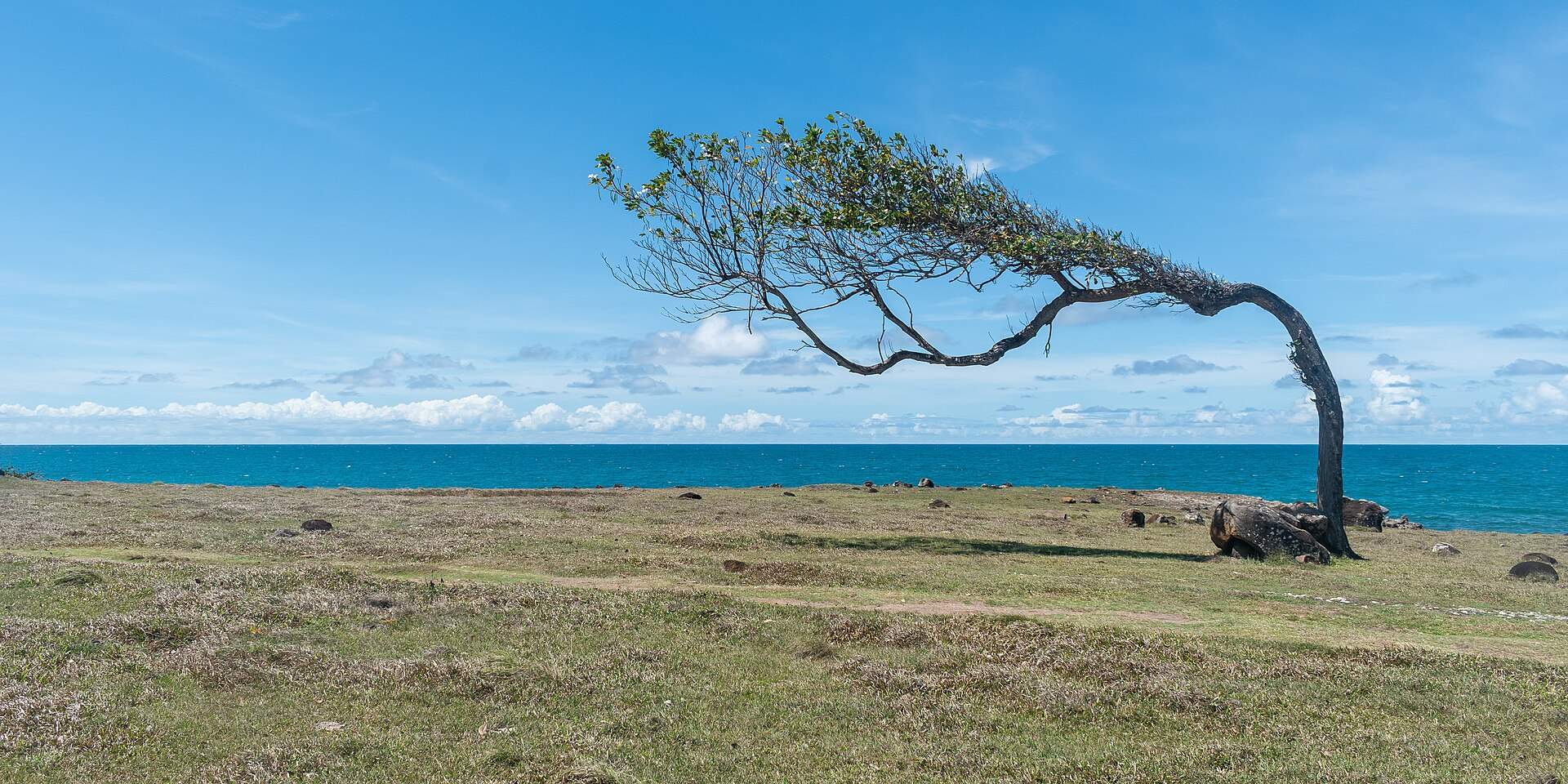
Where to land for Guadeloupe
Maryse Condé International Airport (PTP / TFFR) is a gateway to consider for Guadeloupe. The selected gateway is about 12 km in a straight line from the guide's reference location. The road or onward-air journey will be longer and depends on the final address. Choose the airport together with the hotel, lodge or meeting location, rather than simply selecting the closest name on a map.
Airport options and trade-offs| Airport | Location and access | Private aviation planning |
|---|
| Maryse Condé International AirportPTP / TFFR | The selected gateway is about 12 km in a straight line from the guide's reference location. The road or onward-air journey will be longer and depends on the final address. | For an international arrival, have the operator coordinate border clearance, handling and the approved passenger entry point before departure. Ask the operator to confirm runway performance for the aircraft, payload and weather, together with parking, handling and any operating permissions. Airport listings describe the location; they do not establish a live slot or aircraft acceptance. |
|---|
Airport transfers and getting around
From the airport to your stay
Arrange the final transfer before the flight is confirmed. Give the driver or onward operator the handling location, flight details and actual property address. Leave room between landing and a timed tour or meeting, especially when arrival includes border formalities. If the stay needs a smaller aircraft, boat or specialist vehicle, treat that as a separate connection with its own baggage allowance and operating conditions.
Ask the operating carrier to confirm aircraft suitability, handling and permissions for the actual itinerary. For budgeting, see our private jet charter cost guide.
History of Guadeloupe
Guadeloupe's Indigenous populations preceded French colonisation in the seventeenth century. Plantation slavery and sugar production shaped the islands' colonial economy. Its present French status exists alongside a distinctive Caribbean Creole culture and a varied island landscape.
Indigenous settlement preceded French colonisation in 1635 and the expansion of plantation agriculture. Enslaved African labour supported sugar production, while resistance and emancipation shaped the islands' social history.
Guadeloupe became an overseas department of France in 1946. Agricultural change, migration and tourism later altered livelihoods, but individual islands retain varied landscapes and histories within the same administrative framework.
Interesting facts
- Basse-Terre is mountainous despite its name meaning 'low land'.
- Grande-Terre and Basse-Terre are separated by a narrow channel rather than forming one continuous island.