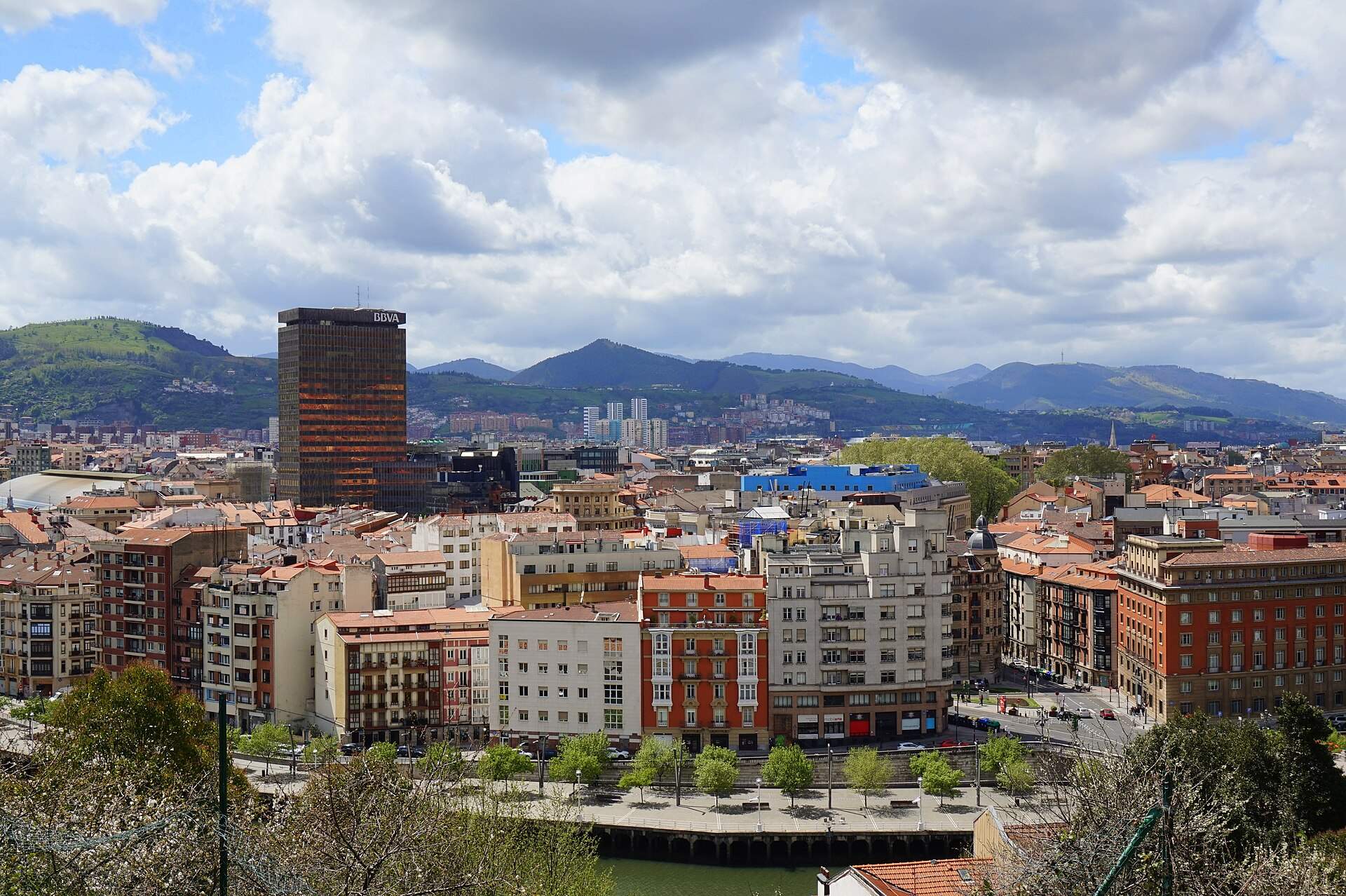
Where to land for Bilbao
Bilbao Airport (BIO / LEBB) is a gateway to consider for Bilbao. The selected gateway is about 5 km in a straight line from the guide's reference location. The road or onward-air journey will be longer and depends on the final address. Choose the airport together with the hotel, lodge or meeting location, rather than simply selecting the closest name on a map.
Airport options and trade-offs| Airport | Location and access | Private aviation planning |
|---|
| Bilbao AirportBIO / LEBB | The selected gateway is about 5 km in a straight line from the guide's reference location. The road or onward-air journey will be longer and depends on the final address. | For an international arrival, have the operator coordinate border clearance, handling and the approved passenger entry point before departure. Ask the operator to confirm runway performance for the aircraft, payload and weather, together with parking, handling and any operating permissions. Airport listings describe the location; they do not establish a live slot or aircraft acceptance. |
|---|
Airport transfers and getting around
From the airport to your stay
Arrange the final transfer before the flight is confirmed. Give the driver or onward operator the handling location, flight details and actual property address. Leave room between landing and a timed tour or meeting, especially when arrival includes border formalities.
Ask the operating carrier to confirm aircraft suitability, handling and permissions for the actual itinerary. For budgeting, see our private jet charter cost guide.
History of Bilbao
Bilbao developed as a medieval trading town before iron, shipbuilding and industry transformed its river valley. Late twentieth-century redevelopment changed former industrial areas and introduced major cultural buildings. The older streets of the Casco Viejo preserve another scale of city life.
A medieval trading town founded in 1300 developed into a major port serving northern Spain. Iron mining, steelmaking and shipbuilding later transformed the estuary into an industrial corridor, supporting a powerful commercial economy.
Industrial decline prompted major regeneration projects. The Guggenheim Museum, new transport links and reclaimed riverfront spaces became visible symbols of this transition, although Bilbao's history extends far beyond the museum.
Interesting facts
- The Casco Viejo's traditional seven streets preserve the older commercial core.
- The Nervión estuary connects Bilbao with its maritime and industrial hinterland.