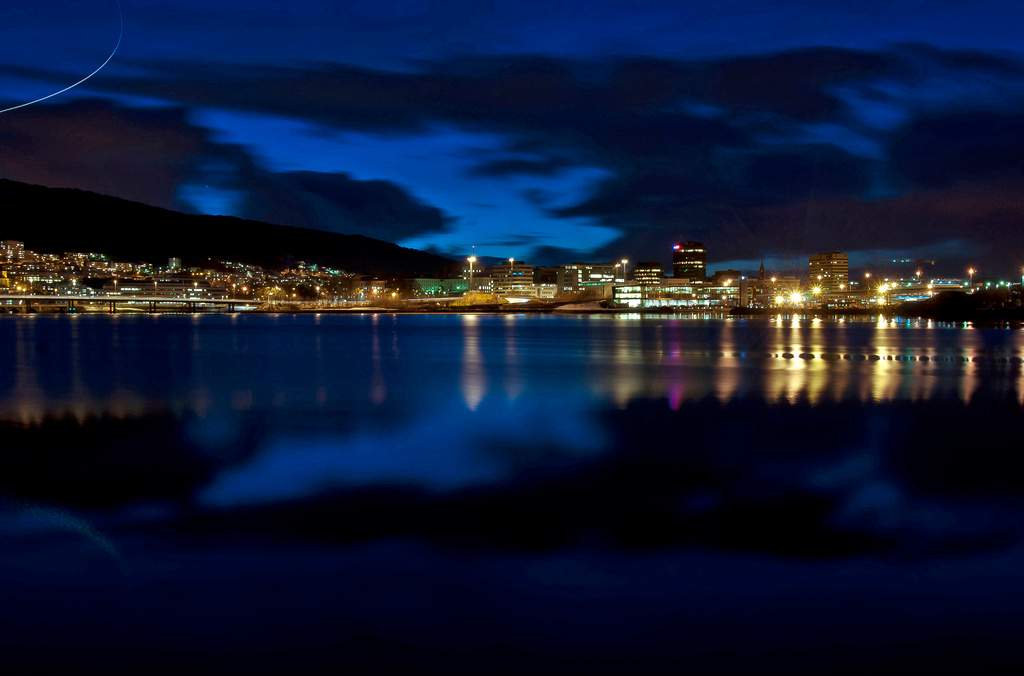
Where to land for Bergen
Bergen Airport, Flesland (BGO / ENBR) is a gateway to consider for Bergen. The selected gateway is about 12 km in a straight line from the guide's reference location. The road or onward-air journey will be longer and depends on the final address. Choose the airport together with the hotel, lodge or meeting location, rather than simply selecting the closest name on a map.
Airport options and trade-offs| Airport | Location and access | Private aviation planning |
|---|
| Bergen Airport, FleslandBGO / ENBR | The selected gateway is about 12 km in a straight line from the guide's reference location. The road or onward-air journey will be longer and depends on the final address. | For an international arrival, have the operator coordinate border clearance, handling and the approved passenger entry point before departure. Ask the operator to confirm runway performance for the aircraft, payload and weather, together with parking, handling and any operating permissions. Airport listings describe the location; they do not establish a live slot or aircraft acceptance. |
|---|
Airport transfers and getting around
From the airport to your stay
Arrange the final transfer before the flight is confirmed. Give the driver or onward operator the handling location, flight details and actual property address. Leave room between landing and a timed tour or meeting, especially when arrival includes border formalities.
Ask the operating carrier to confirm aircraft suitability, handling and permissions for the actual itinerary. For budgeting, see our private jet charter cost guide.
History of Bergen
Bergen became an important Norwegian port and medieval royal centre, with a trading settlement predating some traditional founding accounts. Hanseatic merchants later established a strong presence at Bryggen. The harbour's commercial history remains visible beside the city's mountain setting.
Bergen developed as a royal and trading centre during the Middle Ages. Merchants associated with the Hanseatic League established a powerful presence at Bryggen, exchanging northern fish products for grain and other goods.
Repeated fires destroyed and reshaped the waterfront. Its reconstructed wooden trading buildings preserve the organisation of the old merchant quarter, while shipping and maritime industries continued to influence the wider city.
Interesting facts
- Bryggen's narrow passages separate long warehouse buildings running back from the harbour.
- Bergen served as an important Norwegian royal centre before Oslo became dominant.