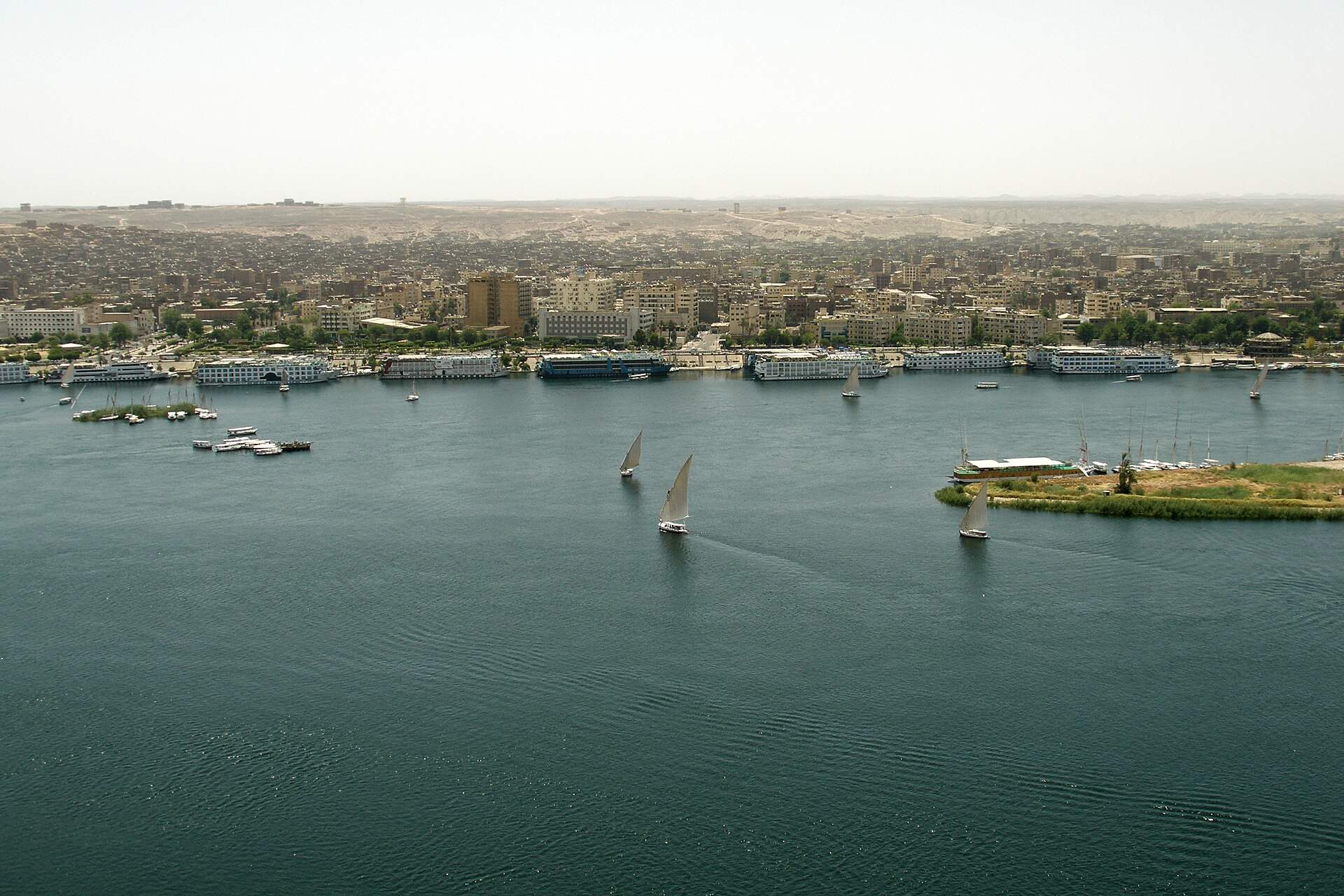
Where to land for Aswan
Aswan International Airport (ASW / HESN) is a gateway to consider for Aswan. The selected gateway is about 16 km in a straight line from the guide's reference location. The road or onward-air journey will be longer and depends on the final address. Choose the airport together with the hotel, lodge or meeting location, rather than simply selecting the closest name on a map.
Airport options and trade-offs| Airport | Location and access | Private aviation planning |
|---|
| Aswan International AirportASW / HESN | The selected gateway is about 16 km in a straight line from the guide's reference location. The road or onward-air journey will be longer and depends on the final address. | For an international arrival, have the operator coordinate border clearance, handling and the approved passenger entry point before departure. Ask the operator to confirm runway performance for the aircraft, payload and weather, together with parking, handling and any operating permissions. Airport listings describe the location; they do not establish a live slot or aircraft acceptance. |
|---|
Airport transfers and getting around
From the airport to your stay
Arrange the final transfer before the flight is confirmed. Give the driver or onward operator the handling location, flight details and actual property address. Leave room between landing and a timed tour or meeting, especially when arrival includes border formalities.
Ask the operating carrier to confirm aircraft suitability, handling and permissions for the actual itinerary. For budgeting, see our private jet charter cost guide.
History of Aswan
Aswan was an important southern frontier and trading centre in ancient Egypt, associated with the name Syene. Its position beside the Nile linked it to Nubia and wider African routes. Twentieth-century dam construction brought major changes to the landscape and nearby communities.
Elephantine Island served as a trading and administrative frontier between Egypt and Nubia. Nearby granite quarries supplied stone for major Egyptian monuments, linking local labour and resources to royal building programmes far downstream.
The twentieth-century dams transformed the Nile and displaced Nubian communities. International rescue projects relocated threatened monuments, creating the setting in which visitors experience several famous temples today.
Interesting facts
- The unfinished obelisk remains attached to the bedrock in an ancient granite quarry.
- Philae's temple complex was moved to Agilkia Island to protect it from rising water.