
Your journey
Private jet to Sri Lanka
Sri Lanka is a journey through contrasting landscapes: Colombo’s busy commercial streets, ancient inland cities, the tea-growing highlands and an Indian Ocean coast whose best season depends on which side of the island you choose. Private aviation can simplify the international arrival, but it does not make the country’s winding inland roads disappear. Decide whether the trip is primarily cultural, a tea-and-coast retreat or a business visit with a short extension. Bandaranaike International and Ratmalana serve different sides of Colombo; onward light-aircraft or seaplane arrangements are separate decisions. For a first visit, choose two or three bases and allow several nights in each instead of changing hotels every morning.
Sri Lanka at a glance
- Country / location
- Sri Lanka
- Time zone
- Sri Lanka Standard Time: UTC+5:30 year-round
- Currency
- Sri Lankan rupee (LKR)
- Languages
- Sinhala and Tamil; English widely used in tourism
- Suggested stay
- Seven to ten nights for two or three regions
- Best suited to
- Culture, tea country, coast, wildlife and Colombo business
- Airport options
- Bandaranaike International Airport; Colombo International Airport, Ratmalana
Where to land for Sri Lanka
Compare Bandaranaike International at Katunayake with Colombo International Airport, Ratmalana, for the proposed aircraft and onward itinerary. A private jet arrival does not remove the road journeys between Colombo, the Cultural Triangle, tea country and the south coast; arrange domestic connections separately where useful.
| Airport | Location and access | Private aviation planning |
|---|---|---|
| Bandaranaike International AirportCMB / VCBI | Katunayake, north of Colombo, near Negombo. | The principal international gateway provides the main arrival comparison for a long-range flight and for journeys continuing north or inland. Have the operator confirm handling, passenger processing and any domestic connection; an airline terminal reference is not a private-flight pickup instruction. |
| Colombo International Airport, RatmalanaRML / VCCC | South of central Colombo. | A secondary airport associated with domestic aviation and corporate-jet operations. Compare it for the proposed aircraft and a southern-Colombo itinerary, with current permissions, handling and international processing agreed before selecting it. |
Private terminals and arrival experience
A fixed-base operator (FBO) provides ground services for private aircraft and their passengers. The handling team coordinates your arrival; airport opening hours alone do not establish terminal or border-service availability.
Colombo gateways
Coordinate the handling provider and onward aircraft
An FBO is a fixed-base operator providing private terminal and aircraft services; local arrangements may instead be managed by an airport handling agent. Confirm the actual passenger facility, immigration sequence and vehicle access with the flight team. If continuing by smaller aircraft, treat baggage limits and transfer timing as a separate booking.
Selected inland and coastal points
Domestic air connections
Cinnamon Air publishes domestic and charter services, including water-based destinations. These can be considered for an inland itinerary, but the landing point, weather, luggage allowance and road connection to the hotel must all match the chosen stay.
Airport transfers and getting around
Colombo, Cultural Triangle and the highlands
Use a driver for a multi-region journey
Plan travel days as part of the holiday, with stops and meal breaks. Distances on the map do not describe the pace of hill roads; ask the driver for a route-specific estimate and avoid placing a major climb or timed temple visit immediately after a long transfer.
Galle and Weligama
South-coast arrival
A south-coast stay needs a dedicated transfer from the Colombo airport area. Cape Weligama publishes location guidance for its road and air connections; confirm the full journey to the property rather than using the name Colombo as a single departure point.
Ask the operating carrier to confirm aircraft suitability, handling and permissions for the actual itinerary. For budgeting, see our private jet charter cost guide.
Where to stay in Sri Lanka
Hatton and the Castlereagh area
Ceylon Tea Trails
Historic tea-estate bungalows offer a highland stay centred on gardens, walks and the working tea landscape. Choose it for several unhurried nights, with meals and estate experiences forming part of the visit; it is a different holiday from a beach resort.
Galle Fort
Amangalla
A heritage hotel within the fort suits travellers who want to explore historic streets on foot and return to a quiet base. It works well for architecture and food, with beach time arranged as a separate outing rather than assumed to be outside the room.
Weligama, south coast
Cape Weligama
A coastal resort with villas and suites makes a natural final stop after inland touring. Allow time to enjoy the property and the surrounding coast; choosing the room type and the season matters more than trying to add a distant cultural excursion every day.
Where to eat
Dutch Hospital precinct, Colombo
Ministry of Crab
Sri Lankan mud crab is the central attraction at this Colombo restaurant. Reserve a table, discuss shellfish restrictions and expect the available sizes to shape the order. The restaurant closes on Poya days, so consult its current calendar before fixing a farewell meal.
Galle Fort
The Dining Room at Amangalla
A refined meal in a heritage setting pairs naturally with a fort walk. The restaurant’s Sri Lankan and international choices make it useful for mixed-preference groups; confirm outside-guest access and reservations rather than assuming a hotel restaurant is always open to walk-ins.
Cape Weligama
The Atlas
The resort’s main restaurant offers Sri Lankan cooking with ocean views. It is a useful place to explore island flavours during a coastal stay, leaving a special chef’s-table experience as a separately confirmed option rather than a promised inclusion.
What to do in Sri Lanka
Central inland region
Sigiriya and the Cultural Triangle
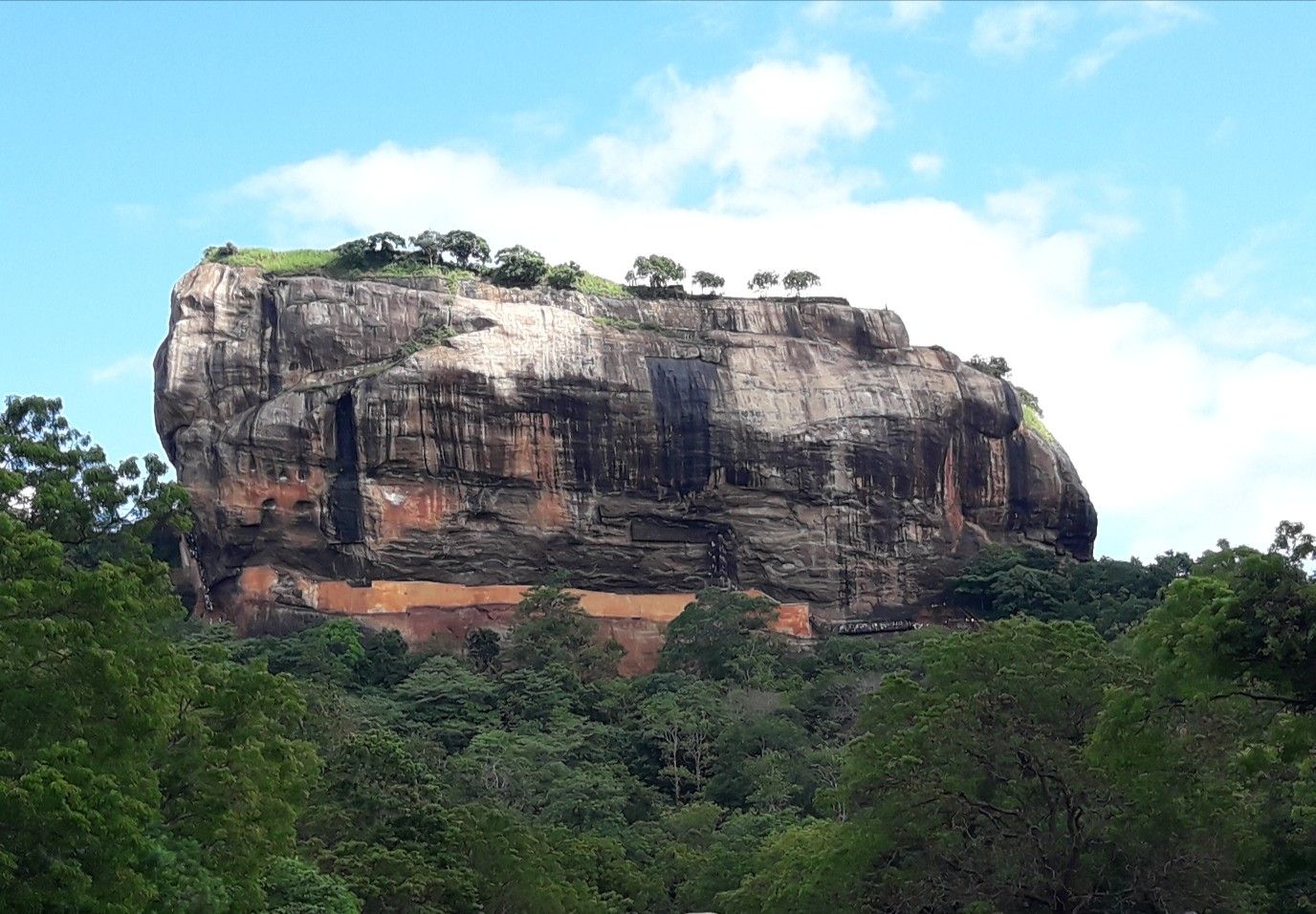
Stay nearby and devote a morning to Sigiriya, with heat, steps and the group’s ability shaping the visit. Add Dambulla or another archaeological site in a separate block; the region deserves several nights if history is the main reason for travelling.
Hatton highlands
Tea-estate life
Allow at least two full days for an estate walk, a tea-related visit and time to enjoy the cooler landscape. Ceylon Tea Trails describes experiences around working estates and the Dunkeld factory; book the activity through the property so it fits current operations.
Galle
Galle Fort
Spend a morning exploring streets, architecture and the ramparts, then return for a different evening atmosphere. A local guide can explain the trading history, while a midday hotel pause makes the visit more comfortable in the coastal heat.
Weligama and the south coast
Coastal time
Keep a full day for the shore and resort rather than treating the coast as a single sunset stop. Water activities depend on local sea conditions and the operator; select experiences appropriate to the season and the party’s ability.
Best time to visit Sri Lanka
December–March is generally a useful period for the south and west coasts, while May–September often favours the east coast. Monsoon patterns differ by region, and the highlands are cooler; plan the route around the chosen coast rather than applying one island-wide beach season.
| When | Conditions and activities | Planning considerations |
|---|---|---|
| December–February | The southwest coast often offers the most favourable beach conditions while the northeast monsoon affects other areas. | A south-coast and highlands route is a useful first comparison; reserve popular holiday periods early. |
| March–April | An inter-monsoon period can bring warm, humid weather and afternoon storms. | Start major outdoor cultural visits early and preserve flexibility in the afternoon. |
| May–September | The southwest monsoon affects the southwest coast and hills; eastern areas often offer a better beach-season comparison. | Choose the coast deliberately and do not apply south-coast expectations to an east-coast holiday. |
| October–November | Widespread showers and unsettled conditions are possible during the second inter-monsoon. | Build a culture-and-retreat itinerary with flexible transfers and weather-dependent water activities. |
Major events and advance planning
Island-wide
Poya days and cultural calendars
Full-moon holidays affect some dining and other services; Ministry of Crab explicitly publishes closures for them. Check the official holiday and event calendar when fixing meals and cultural visits, especially on a short Colombo stop.
Plan your stay
Before you travel
Sacred sites and living religious places
Temple etiquette
Dress modestly, follow site instructions on shoes and photography, and allow time to visit respectfully. Treat temples as active places of worship rather than simply another photo stop on a driving itinerary.
Sri Lanka
Entry requirements
Use the Department of Immigration and Emigration’s official website for current visa and entry arrangements. Nationality, purpose and duration matter; private-flight handling does not replace the traveller’s own immigration requirements.
Highlands and coast
Packing between regions
Bring lighter coastal clothing plus a layer for the hills, and discuss baggage limits before booking a domestic air sector. A smaller onward aircraft may require a different luggage plan from the international jet.
Suggested itinerary
An editorial starting point. Suggested visit lengths and transfer allowances are planning estimates, not service guarantees.
Colombo or the Cultural Triangle
Nights 1–2
For a business-led visit, begin in Colombo and reserve a Ministry of Crab meal on an operating day. For a cultural holiday, transfer to an inland base and give Sigiriya and nearby sites a full day rather than attempting them as a rushed Colombo excursion.
Tea country
Nights 3–5
Move to the Hatton area with a planned travel day. Use the following days for a tea-estate experience, a suitable walk and time at the bungalow; keep meals close to the property instead of adding long evening drives.
Galle and the south coast
Nights 6–9
Continue south with proper transfer time, then combine a Galle Fort day with coastal relaxation. Choose Amangalla for the heritage setting or Cape Weligama for a resort finish, and allow a separate airport-transfer block on departure day.
Nearby destinations and onward journeys
Questions about visiting Sri Lanka
Which Colombo airport should a private flight use?
Compare CMB and Ratmalana against the aircraft, permissions and onward address. CMB is the main gateway; Ratmalana can suit a different corporate or domestic plan.
Can I cover the whole island in four nights?
A more useful four-night visit concentrates on one region or two nearby bases. Seven to ten nights allows a more balanced multi-region journey.
Is there one best beach season for all Sri Lanka?
No. Monsoons affect the coasts differently, so choose the coastline with the month in mind.
Can I fly onward to tea country?
Domestic air and seaplane options can be considered, but the exact landing point, weather and luggage allowance must fit the hotel transfer.
Should I reserve a Colombo crab dinner on any day?
Check the restaurant calendar: Ministry of Crab closes on Poya days, and reservations and available crab sizes need confirmation.